Manor Houses
Helsinki, Finland
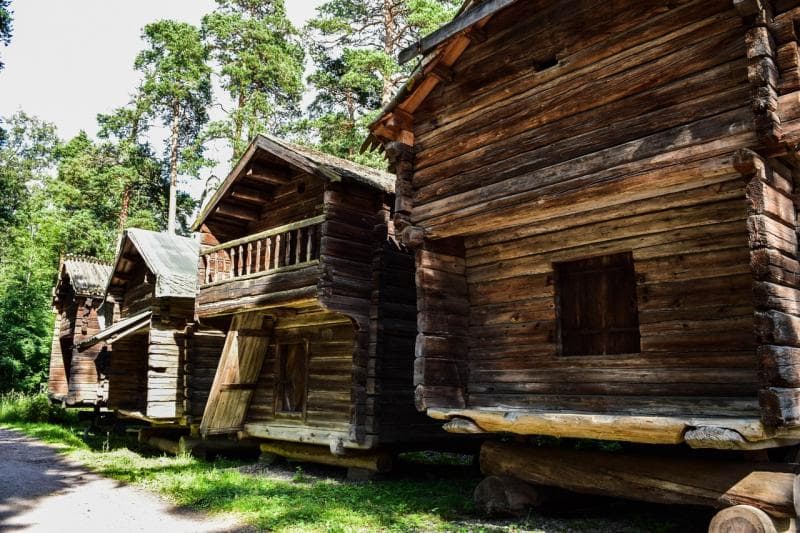
Explore the elegant Manor Houses at Seurasaari Open-Air Museum in Helsinki, Finland. Discover Finnish aristocratic life, history, and unique architecture from past centuries.
Overview
Nestled on the picturesque island of Seurasaari in Helsinki, Finland, the Seurasaari Open-Air Museum offers a captivating journey through centuries of Finnish rural life. Among its diverse collection of meticulously relocated wooden buildings, the Manor Houses stand out as elegant testaments to a different stratum of historical Finnish society. These grander dwellings, a contrast to the humbler farmsteads and cottages, provide a unique window into the lives of more affluent families from the 18th to the 20th centuries. The museum itself is often described as 'rural Finland in miniature,' showcasing over 80 authentic structures that have been carefully preserved and transported from various regions of the country. While access to the tranquil island is free, a ticket grants entry into these fascinating museum buildings, inviting visitors to step inside and explore the richly preserved interiors during the summer season.
History & Cultural Background
The Seurasaari Open-Air Museum was founded in 1909 by Professor Axel Olai Heikel, emerging during a period of intense Romantic nationalism when Finland was still part of the Russian Empire. The museum's mission was to preserve and present the varied architectural traditions and ways of life across Finland's provinces. The Manor Houses within the collection, such as the prominent Kahiluoto Manor House, are crucial to this narrative. The Kahiluoto Manor, for instance, has roots as a manorial estate dating back to the Middle Ages. Its main building, dating to approximately 1790, was transported to Seurasaari from Kahiluoto island in Taivassalo in 1926. Similarly, the Ivars Farmstead, while a farm, features an elegant porch and an 'Imperial Chamber' that was specially decorated for a visit by Tsar Alexander I in 1819, reflecting a level of status and means beyond typical peasant dwellings. These structures collectively paint a comprehensive picture of Finnish society, from the modest existence of tenant farmers to the more refined life of the landed gentry and prosperous landowners.
What Makes It Special
The Manor Houses at Seurasaari offer a striking visual and cultural contrast to the majority of the museum's exhibits. Unlike the darker, smaller windows and natural wood interiors typical of many peasant homes, the manor houses boast larger windows, allowing more light to flood their spacious rooms. Their interiors were often plastered and adorned with vibrant wallpapers or painted in brighter hues, showcasing a clear departure from the rustic aesthetic. Furthermore, these homes frequently feature ornate tiled stoves, sometimes decorated to resemble Palladian columns, adding to their sophisticated ambiance. The Kahiluoto Manor House, in particular, was built following architectural trends of its time, its ground plan inspired by Carl Wijnblad's 1755 architectural guide, even featuring an uncommon dual-entrance facade. The meticulous preservation and relocation of these buildings allow visitors to appreciate the evolution of Finnish domestic architecture and the distinct lifestyles they supported, from their grand facades to their carefully appointed furnishings.
Stories, Fun Facts & Local Details
Stepping into a manor house at Seurasaari is like unwrapping a historical gift, each room holding whispers of past lives. The Kahiluoto Manor's journey to the museum is a story in itself; after being owned by prominent families since the Middle Ages, it was eventually acquired by a local farmer who had no use for its grand main building, leading to its timely rescue and relocation by the museum in 1926. Imagine the preparations in 1819 at the Ivars Farmstead, as the 'Imperial Chamber' was elaborately redecorated with luxurious green wallpaper and a new tiled stove to welcome Tsar Alexander I. These details bring history to life, transforming simple structures into vessels of compelling human narrative. Visitors might also notice unique features like 'telescopic' beds in some manor house bedrooms – a clever, space-saving design that allowed beds to fold into themselves, making them appear deceptively small until extended. Such ingenious solutions offer a glimpse into the practicalities of daily life, even in more stately homes. A humorous anecdote from a guided tour recalls an architectural student visiting a manor house, bewildered by a Finnish bible and questioning why it wasn't in English, highlighting the often-surprising cultural perspectives encountered in such a historical setting.
Visitor Perspective
For the curious traveler, exploring the Manor Houses within the Seurasaari Open-Air Museum provides a compelling counterpoint to the more common depictions of Finnish rural life. Guided tours, often led by knowledgeable staff in traditional costumes, deepen the understanding of these structures and the lives lived within them. Inside, the brighter, more expansive rooms of the manor houses offer a refreshing experience compared to some of the more modest dwellings, allowing visitors to easily imagine the daily routines and social gatherings of wealthier Finnish families. The serene island setting, with its walking paths and scenic picnic spots, creates an immersive atmosphere that transports one far from the urban bustle of Helsinki. Whether it's admiring the period furniture, examining the intricate tiled stoves, or simply enjoying the tranquil surroundings, a visit to the Manor Houses is an educational and delightful step back in time, offering a rich appreciation for Finland's diverse cultural heritage.
Coordinates: 24.88475, 60.18123
View on Google Maps💬 How Travelers Describe This Place
Based on community votes
Interesting
996Must See
658Unique
585Photogenic
143Beautiful
69
Traveler Stories
Discover memorable experiences shared by travelers who have visited this place.
No traveler stories yet.
Be the first traveler to share what made this place memorable.

Tour
By
Spot
Discover amazing places around the world. Your journey starts here.
Explore
© 2026 TourBySpot. All rights reserved.