Windmill
Helsinki, Finland
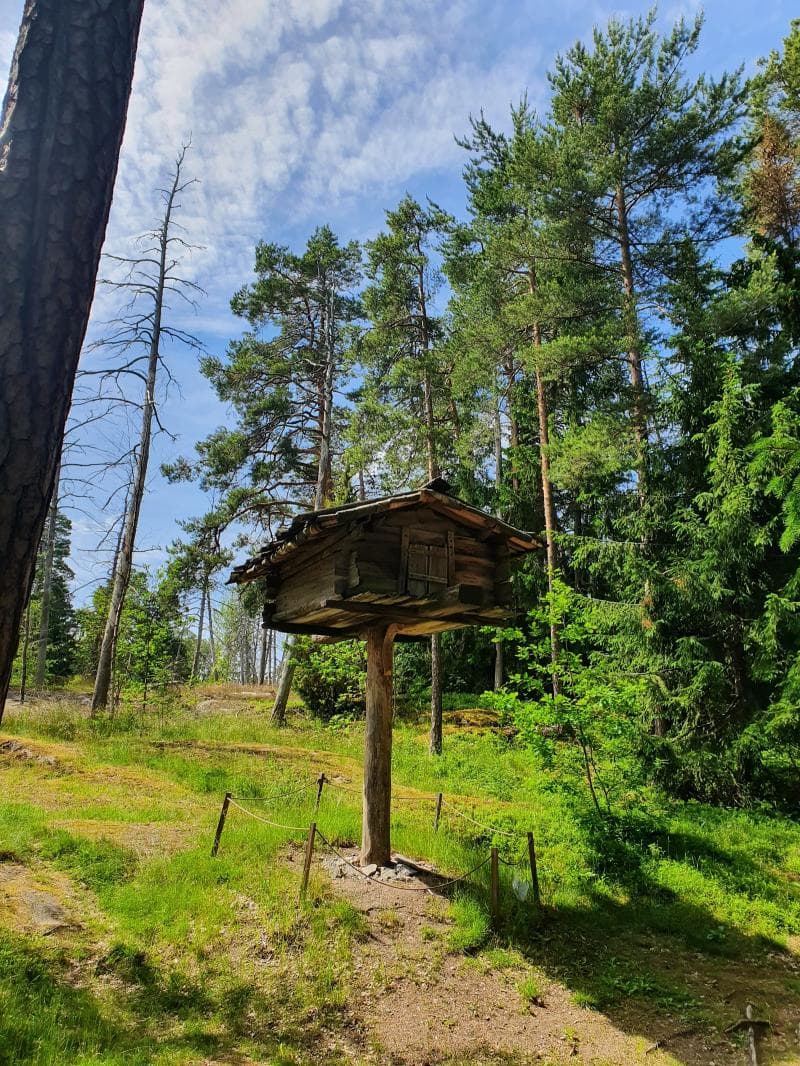
Explore the historic Windmill, affectionately known as 'mamsell,' at Seurasaari Open-Air Museum in Helsinki, Finland. Discover Finnish rural heritage.
Overview
Nestled within the tranquil Seurasaari Open-Air Museum in Helsinki, Finland, stands a captivating piece of Finnish heritage: the Windmill. This venerable wooden structure is more than just a building; it's a window into the ingenious agricultural practices and rural life of past centuries. The Windmill, affectionately known as 'mamsell,' is a distinctive landmark on the island, representing a style unique to western Finland. Situated amidst a collection of historical buildings relocated from various provinces, it offers visitors a tangible connection to Finland's rich cultural tapestry and agrarian past.
The Seurasaari Open-Air Museum itself is an island retreat, easily accessible yet worlds away from the urban bustle of Helsinki. Established in 1909, its mission is to preserve and showcase traditional Finnish rural life from the 17th to the 20th centuries. While access to the scenic island is free, entering the museum's fascinating collection of houses and structures, including the Windmill, requires a ticket.
History & Cultural Background
The story of the Windmill, often referred to as the Oripää Windmill, begins in 1894 when it was constructed by Antti Koski, a skilled farmer from Makkarkoski. The essential millstones, crafted from sandstone, were the handiwork of another farmer named Pruun from Säkylä. This collaborative effort highlights the self-sufficiency and communal spirit prevalent in Finnish rural communities of the era. The Windmill represents a significant technological achievement for its time, designed for complex and efficient operation.
It remained an active part of the Finnish landscape, diligently processing grains, until the 1940s. However, in 1948, a powerful storm tragically broke its wings, putting an end to its working life. Decades later, in 1970, Dr. Toini-Inkeri Kaukonen recognized its historical value and ensured its preservation by donating it to the Seurasaari Museum. The museum was founded by ethnographer Axel Olai Heikel with the foresight to collect and protect Finland's vanishing wooden architecture, providing a 'rural Finland in miniature' for future generations. The buildings housed within the museum reflect the lives of crofters, peasants, and gentry across several centuries.
What Makes It Special
What truly sets the Seurasaari Windmill apart is its unique 'mamsell' design. This endearing nickname, translating to 'miss' or 'ma'am,' stems from its distinctive outward appearance, which locals felt resembled a woman's skirt. This particular form is characteristic of the western regions of Finland, making the Windmill a prime example of regional architectural and engineering heritage.
Furthermore, the Windmill at Seurasaari was modeled after the renowned Samppalinna windmill in Turku, signifying its advanced design for its period. It features six impressive blades and a rotating tower, ingeniously designed to be moved mechanically from the inside with a crank. Remarkably, despite its age and a past incident that damaged its wings, the frame and crucial mechanical parts of the Windmill remain in their original form and excellent condition to this day, offering an authentic glimpse into its 19th-century construction and functionality.
Stories, Fun Facts & Local Details
The 'mamsell' nickname isn't just a quaint term; it tells a story of how people in rural Finland personified their essential tools and structures. It speaks to a time when these windmills were not merely machines but integral, almost living, parts of their communities, standing tall and serving the vital purpose of grinding grains for sustenance. Imagine the sight of its six blades turning with the wind, a rhythmic hum a constant soundtrack to the daily lives of Finnish farmers.
Visiting the Windmill provides a tangible connection to the ingenuity of Finnish farmers like Antti Koski and Pruun, who, without modern industrial machinery, built structures of such complexity and durability. It's a reminder of a bygone era when communities relied on the power of nature and the skill of their hands to thrive. The Windmill stands as a testament to Finnish resilience and the enduring legacy of its rural traditions. It's an opportunity to step into the past and appreciate the foundational aspects of Finnish culture.
Visitor Perspective
For any curious traveler visiting Helsinki, the journey to the Seurasaari Open-Air Museum and its magnificent Windmill is a delightful excursion into Finland's past. The island itself, connected to the mainland by a picturesque pedestrian bridge, offers a peaceful escape, with lush pathways and natural beauty that transport you far from city life.
As you approach the Windmill, you'll feel a sense of stepping back in time, imagining the rustle of its blades and the importance it held for the local community. The museum's overall ambiance, often enhanced by guides in traditional costumes, makes the experience particularly immersive, bringing the history of buildings like the Windmill to life. It's a perfect destination for those seeking clear explanations of Finnish folk traditions, along with meaningful cultural details that spark the imagination. Whether you're a history enthusiast or simply a traveler looking for a unique cultural experience, the Windmill at Seurasaari provides a compelling narrative of Finland's agrarian heritage.
Coordinates: 24.88602, 60.18298
View on Google Maps💬 How Travelers Describe This Place
Based on community votes
Photogenic
846Must See
564Beautiful
201Unique
121Interesting
87
Traveler Stories
Discover memorable experiences shared by travelers who have visited this place.
No traveler stories yet.
Be the first traveler to share what made this place memorable.

Tour
By
Spot
Discover amazing places around the world. Your journey starts here.
Explore
© 2026 TourBySpot. All rights reserved.