Historic Farmhouses
Helsinki, Finland
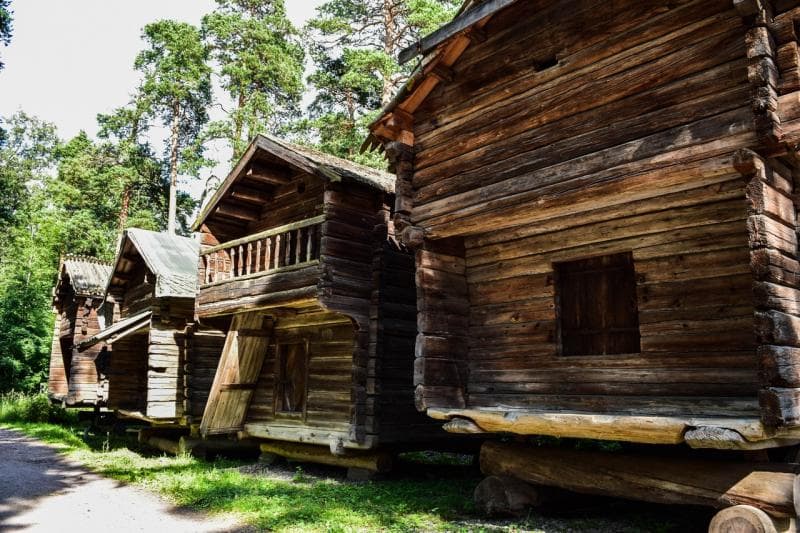
Explore historic farmhouses at Seurasaari Open-Air Museum in Helsinki, Finland. Discover Finnish rural life from the 18th-20th centuries.
Overview
Step into a living postcard of Finland's past at the Historic Farmhouses of the Seurasaari Open-Air Museum in Helsinki. This enchanting island sanctuary, just a short distance from the bustling city center, transports visitors to a bygone era, showcasing authentic rural life from the 18th to the 20th centuries. The museum is a collection of nearly 90 buildings, carefully relocated from various provinces across Finland to create a miniature representation of the nation's diverse architectural heritage and traditional ways of life.
As you wander through the serene landscape, you'll discover a fascinating array of farmsteads, cottages, manor houses, and other structures, each telling a unique story of Finnish peasant life, craftsmanship, and daily routines. The island itself, Seurasaari, offers a peaceful respite, making it a perfect destination for those seeking both cultural immersion and natural beauty.
History & Cultural Background
The Seurasaari Open-Air Museum was founded in 1909 by Professor Axel Olai Heikel, an ethnographer with a vision to preserve and present Finland's rich rural history. This initiative emerged during a period of romantic nationalism, aiming to capture the essence of Finnish identity and heritage. The buildings, representing different regions and social strata, were meticulously dismantled from their original locations and reassembled on Seurasaari Island.
The collection spans several centuries, with the oldest structures, such as a smoke sauna, dating back to the 1790s. The museum's first acquisition was the Niemelä Tenant Farm, brought from Konginkangas in Central Finland, setting the precedent for the extensive collection that followed. Each building group, from humble crofts to grander manor houses, reflects the ingenious adaptations and resilient spirit of Finnish people living off the land. The meticulous preservation efforts, overseen by the Finnish Heritage Agency, ensure that traditional construction methods are honored, often combining ancient techniques with modern conservation science to maintain these invaluable cultural treasures.
What Makes It Special
The Historic Farmhouses of Seurasaari stand out due to their authenticity and the immersive experience they offer. Unlike many museums, this is not merely a collection of artifacts, but an entire village brought to life, allowing visitors to walk through actual homes and workplaces of past generations. The sheer variety of buildings showcases the regional differences in Finnish architecture and daily life, from the enclosed farmyards of Western Finland, like the Antti Farmstead, to the simpler crofts and the stately Kahiluoto Manor House.
The museum's setting on the picturesque Seurasaari Island further enhances its appeal. Surrounded by dense forests and the tranquil sea, the natural environment complements the historical structures, creating an atmosphere of peaceful timelessness. It's a place where history breathes, allowing you to connect with the Finnish soul in a tangible way. The commitment to using traditional materials and methods in conservation also ensures that the buildings retain their original character and integrity.
Stories, Fun Facts & Local Details
Among the many fascinating stories housed within the farmhouses, the Ivars Farmstead from Närpes holds a particularly interesting tale. Built in 1764, this farmhouse later gained an elegant porch, reputedly added for the visit of Tsar Alexander I in 1819, who stopped to rest and change horses. Imagine the anticipation and preparations for such a distinguished guest in a rural Finnish home!
The Antti Farmstead, transported from Säkylä, offers a glimpse into a distinct Western Finnish tradition: the enclosed farmyard. This architectural style, dating back to the Middle Ages, saw buildings like the main house, sleeping lofts, food cellars, and saunas arranged around a central courtyard, providing protection and a clear division between human and animal spaces. Meanwhile, the Halla House from the Kainuu region illustrates the age-old practice of providing shelter to itinerant workers – loggers, reindeer herders, and farm laborers – highlighting the communal spirit of rural communities.
Even the oldest structures have stories; the Niemelä Tenant Farm includes a smoke sauna from the 1790s, where one can almost feel the warmth of its age-old stones. These small details and the specific histories of individual buildings make the experience deeply personal and memorable.
Visitor Perspective
Visiting the Historic Farmhouses at Seurasaari Open-Air Museum is an experience that resonates with a quiet charm. While walking around the island itself is free, entering the buildings requires a ticket, a small investment for a profound journey back in time. Guided tours, often led by knowledgeable staff in traditional costumes, provide deeper insights into the everyday lives, customs, and craftsmanship of the people who once inhabited these homes.
You'll find yourself marveling at the simple yet effective designs, the ingenuity of traditional tools, and the sheer resilience required for rural living. The quiet pathways, the scent of aged wood, and the gentle rustle of leaves create an atmosphere conducive to reflection and discovery. Whether you're peering into a sparsely furnished smoke cabin or admiring the detailed interiors of a manor, you'll gain a profound appreciation for the roots of Finnish culture and the enduring spirit of its people. It's a place where every timber and every hearth holds a story, inviting curious travelers to listen.
Coordinates: 24.88602, 60.18298
View on Google Maps💬 How Travelers Describe This Place
Based on community votes
Beautiful
872Must See
846Unique
684Interesting
363Photogenic
250
Traveler Stories
Discover memorable experiences shared by travelers who have visited this place.
No traveler stories yet.
Be the first traveler to share what made this place memorable.

Tour
By
Spot
Discover amazing places around the world. Your journey starts here.
Explore
© 2026 TourBySpot. All rights reserved.