Village Paths
Helsinki, Finland
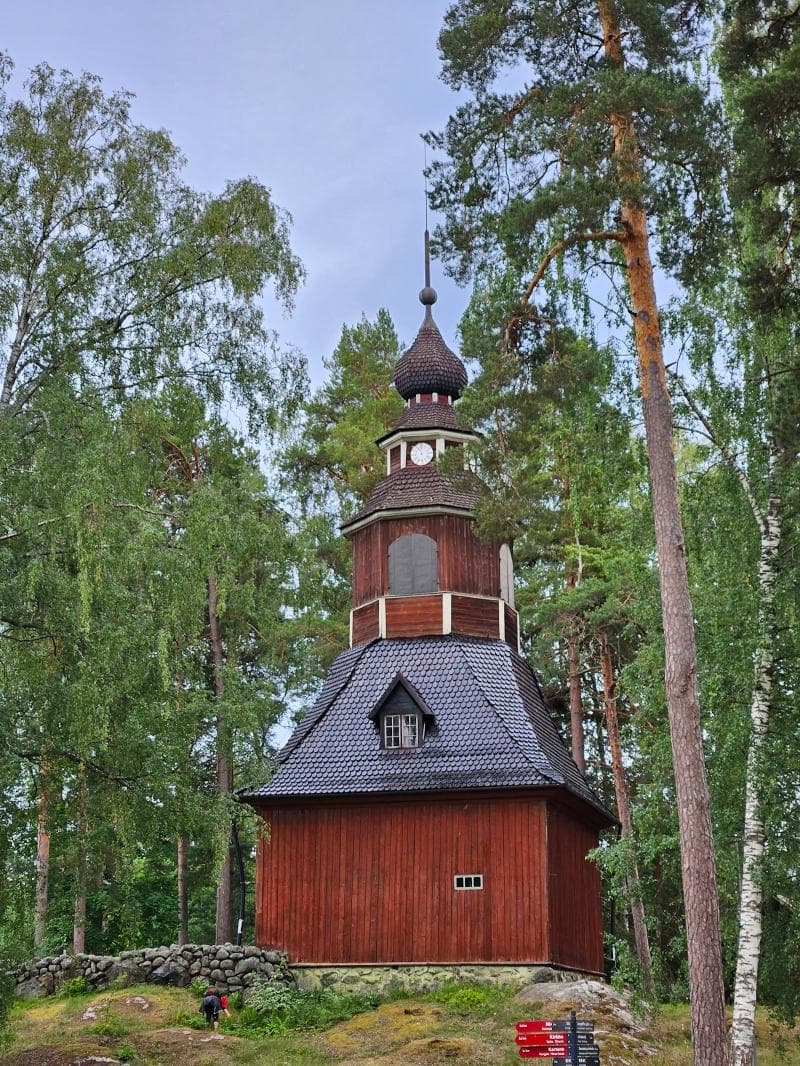
Explore the Village Paths of Seurasaari Open-Air Museum in Helsinki, Finland, a captivating journey through centuries of Finnish rural life.
Overview
Stepping onto the Village Paths of Seurasaari Open-Air Museum in Helsinki, Finland, offers a unique journey back in time. These aren't just ordinary walking trails; they are the arteries of a living museum, guiding curious travelers through centuries of Finnish rural life. The museum, nestled on the picturesque Seurasaari island, is a tranquil escape from the urban bustle, seamlessly blending cultural heritage with the serene beauty of nature. Here, the paths wind past an impressive collection of over 80 historical wooden buildings, each meticulously relocated from various provinces across Finland. As you follow these sandy roads, you're not merely observing history; you're immersed in it, experiencing the landscapes and dwellings that shaped generations. It's a place where the past feels tangible, inviting you to imagine the lives lived within these venerable structures.
The island itself is a public park, accessible year-round, offering a peaceful retreat characterized by its forests, rocky shores, and friendly wildlife. While the island is always open, the museum buildings primarily welcome visitors during the summer months, from mid-May to mid-September, when guided tours further enrich the historical narrative. These paths, sometimes gravel, sometimes earthen, are integral to the experience, connecting farmsteads, manors, and cottages, allowing for an intimate exploration of Finland's past.
History & Cultural Background
The Seurasaari Open-Air Museum was founded in 1909 by Professor Axel Olai Heikel, an ethnographer driven by a vision to preserve Finland's vanishing wooden architecture and traditional rural ways of life. At a time when Finland was part of the Russian Empire and experiencing a wave of national Romanticism, the museum was established to collect and safeguard examples of 18th, 19th, and early 20th-century Finnish folk history.
The ambitious project involved carefully dismantling original buildings from different regions of Finland – from Ostrobothnia to Kainuu – and painstakingly reassembling them on Seurasaari island. This remarkable endeavor created a 'rural Finland in miniature,' showcasing a diverse range of farmsteads, peasant cottages, manor houses, churches, and even a 17th-century water-powered sawmill. Each structure tells a story of the ingenuity, resilience, and daily routines of Finns from various social strata and geographical areas, reflecting centuries of agricultural and community life. The earliest building brought to the museum was the Niemelä tenant farm in 1909, setting the precedent for this unique historical collection.
What Makes It Special
What truly sets the Village Paths apart within the Seurasaari Open-Air Museum is the immersive, holistic experience they offer. Instead of a conventional museum with artifacts behind glass, visitors engage with history by physically walking through it. The paths are more than just routes; they are narrative threads weaving together the stories of over 80 relocated buildings. This allows you to perceive the subtle differences in timber quality, room sizes, and architectural styles that once signified social standing in pre-industrial Finland.
The museum's uniqueness also lies in its seamless integration with the island's natural environment. The rustic buildings are framed by ancient forests, rocky coastlines, and serene waters, creating an authentic backdrop that evokes the rural landscapes from which these structures originated. This combination of cultural heritage and unspoiled nature transforms a visit into a tranquil journey of discovery, far removed from the modern world. It's an opportunity to observe not only historical architecture but also the enduring beauty of the Finnish landscape.
Stories, Fun Facts & Local Details
As you wander the Village Paths, you'll encounter fascinating glimpses into Finnish life. Imagine a time when weaving was a popular summer pastime, as depicted at the Kurssi farmstead. Or consider the tradition of opening farmhouses like the Halla house from Kainuu, providing shelter to itinerant workers, loggers, and reindeer herders. The magnificent Karuna Church, built in 1685 and moved to Seurasaari in 1912, stands as a testament to early Finnish craftsmanship and faith.
Beyond the historical buildings, the island itself holds charming details. Seurasaari is renowned for its remarkably tame red squirrels, who often approach visitors with a curious gaze, adding a whimsical touch to your historical stroll. The island is also a beloved spot for Midsummer celebrations, where a colossal bonfire is lit, attracting thousands and serving as a vibrant continuation of an age-old Finnish tradition. These paths aren't merely functional; they carry the echoes of countless footsteps, celebrations, and quiet moments that define Finnish heritage.
Visitor Perspective
For any traveler, exploring the Village Paths of Seurasaari is an experience that resonates long after leaving the island. It’s a chance to slow down, breathe in the fresh air, and engage with history on a deeply personal level. The feeling of stepping across the wooden bridge from the bustling city to this pastoral idyll is transformative, a literal bridge into the past.
Comfortable walking shoes are highly recommended, as the experience involves traversing gravel paths and occasional uneven terrain, allowing for full exploration of the island's 3.1-kilometer route and its numerous historical sites. The peace and quiet, punctuated only by birdsong or the rustle of leaves, create an atmosphere of profound tranquility. Whether you're peering into a smoke cabin, admiring a grand manor, or simply enjoying a picnic amidst the ancient trees, the Village Paths offer an authentic and unforgettable encounter with the heart and soul of rural Finland. It's a reminder of a simpler time and a deep appreciation for the country's rich cultural tapestry.
Coordinates: 24.88475, 60.18123
View on Google Maps💬 How Travelers Describe This Place
Based on community votes
Unique
872Beautiful
846Interesting
684Photogenic
363Must See
87
Traveler Stories
Discover memorable experiences shared by travelers who have visited this place.
No traveler stories yet.
Be the first traveler to share what made this place memorable.

Tour
By
Spot
Discover amazing places around the world. Your journey starts here.
Explore
© 2026 TourBySpot. All rights reserved.