Senckenberg Natural History Museum
Frankfurt, Germany
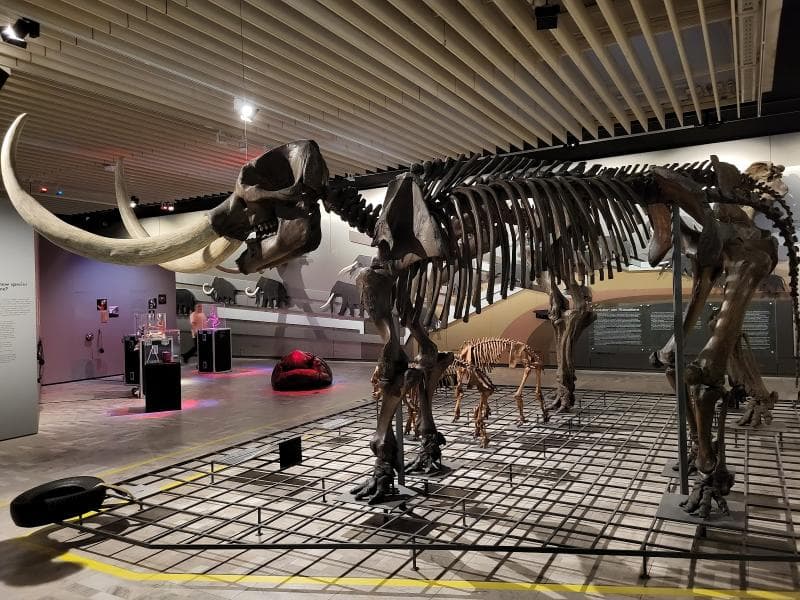
Explore the Senckenberg Natural History Museum in Frankfurt, Germany, home to incredible dinosaur exhibits, Messel Pit fossils, and vast biodiversity collections.
Overview
The Senckenberg Natural History Museum, located in Frankfurt, Germany, stands as one of Europe's largest and most significant natural history museums. It is a premier institution for exploring Earth's biodiversity and the evolution of life through time, welcoming hundreds of thousands of visitors annually. The museum houses a vast collection that spans millions of years, from prehistoric giants to intricate insect life, offering a comprehensive journey through the natural world.
History & Cultural Background
The museum's origins trace back to the legacy of Dr. Johann Christian Senckenberg, a Frankfurt physician and philanthropist who, in 1763, bequeathed a substantial part of his fortune to support scientific and medical endeavors in the city. This vision led to the founding of the non-profit Senckenberg Society for Nature Research (Senckenberg Gesellschaft für Naturforschung) in 1817 by a group of science-minded citizens, reportedly encouraged by Johann Wolfgang von Goethe himself. The society's commitment to research and public engagement has remained central to its mission. The natural history museum officially opened its doors in 1821, initially housing collections donated by individuals like physician Johann Georg Neuburg. The current impressive neo-baroque building, an architectural marvel in itself, was constructed between 1904 and 1907. Throughout its history, the Senckenberg Museum has maintained a close relationship with scientific research, with its collections serving as an invaluable resource for ongoing studies in biodiversity, paleontology, and geology.
What Makes It Special
What truly sets the Senckenberg Natural History Museum apart is its unparalleled collection, especially its world-renowned dinosaur exhibition. It boasts one of the most extensive displays of large dinosaur fossils in Europe, making it a must-see for paleontology enthusiasts. Visitors are greeted by life-sized dinosaur replicas, including a towering Tyrannosaurus Rex and a long-necked Diplodocus, even before entering the building. Inside, the museum features original dinosaur skulls, a rare Edmontosaurus mummy with astonishingly preserved skin structure, and various reconstructed skeletons like the Stegosaurus and Triceratops, which has become a symbol of the museum. Beyond dinosaurs, the museum proudly displays exceptional fossils from the nearby Messel Pit UNESCO World Natural Heritage Site, including a remarkably preserved prehistoric horse. The Senckenberg also houses the world's largest collection of stuffed birds, with over 2,000 specimens, alongside diverse exhibits on marine life, mammals, insects, and human evolution. The iconic Anaconda exhibit, depicting the serpent swallowing a capybara, is another highlight that captivates visitors.
Stories, Fun Facts & Local Details
The museum's neo-baroque building, designed by architect Ludwig Neher, opened in 1907, providing a grand setting for its scientific treasures. Interestingly, the museum is located adjacent to the Johann Wolfgang Goethe University, an institution with which it shares a deep historical and academic partnership, rooted in their common Senckenberg heritage. The Senckenberg's motto, 'world of biodiversity,' underscores its dedication to understanding and sharing the vastness of life on Earth. One of its most engaging features is the 'Aha?! Science Lab,' an interactive workshop where visitors of all ages can engage in experiments and even converse with Senckenberg researchers, truly bringing science to life. The museum houses unique specimens like the Psittacosaurus fossil, where remarkably, its stomach contents are clearly visible, offering a direct glimpse into prehistoric diets. Visitors can also marvel at rare specimens of extinct animals such as the Dodo and the Quagga.
Visitor Perspective
Visiting the Senckenberg Natural History Museum is an immersive experience that delights travelers of all ages, especially families and children, thanks to its impressive, engaging displays and interactive elements. Many visitors recommend dedicating at least four to five hours to fully explore the extensive collections and truly appreciate the exhibits, so comfortable shoes are a must. The museum is conveniently located in Frankfurt's Westend-Süd district, easily accessible via public transport, including the Bockenheimer Warte U-Bahn station. While the museum strives for accessibility, it is advisable to check their official website for the latest information on potential lift issues or temporary accessibility limitations in specific areas. The atmosphere is one of wonder and discovery, inviting curiosity and a deeper understanding of our planet's natural history. The museum successfully bridges the gap between complex scientific research and engaging public education, fostering a love for nature and science in everyone who walks through its doors.
Coordinates: 8.651706198244318, 50.11770114712254
View on Google Maps💬 How Travelers Describe This Place
Based on community votes
Interesting
540Beautiful
470Unique
410Must See
254Photogenic
114
Traveler Stories
Discover memorable experiences shared by travelers who have visited this place.
No traveler stories yet.
Be the first traveler to share what made this place memorable.
Things to see at Senckenberg Natural History Museum



Tour
By
Spot
Discover amazing places around the world. Your journey starts here.
Explore
© 2026 TourBySpot. All rights reserved.