Dinosaur Hall
Frankfurt, Germany
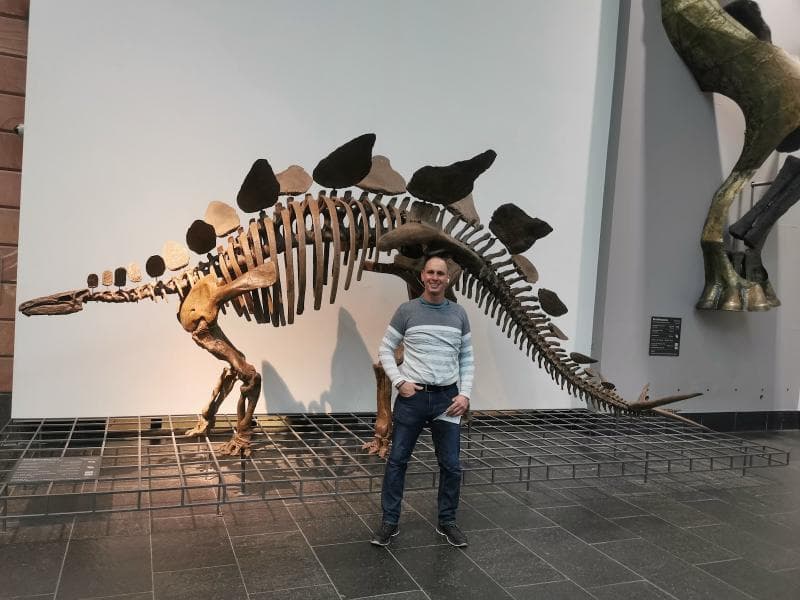
Explore the Dinosaur Hall at Senckenberg Natural History Museum in Frankfurt, Germany, home to Europe's largest dinosaur skeleton collection.
Overview
Step into the prehistoric world at the Dinosaur Hall, a captivating highlight within the renowned Senckenberg Natural History Museum in Frankfurt, Germany. As one of Europe's largest natural history museums, Senckenberg is particularly celebrated for its extensive collection of dinosaur fossils and the largest display of large dinosaur skeletons on the continent. The Dinosaur Hall transports visitors millions of years back in time to the Mesozoic Era, showcasing the incredible scale and diversity of these ancient giants. From towering herbivores to formidable predators, the exhibition offers a comprehensive look at the dinosaurs that once roamed Earth, making it a must-visit for curious travelers of all ages.
History & Cultural Background
The Senckenberg Natural History Museum is a cornerstone of natural science education and research, with roots tracing back to the Senckenberg Nature Research Society, founded in 1817. The museum itself was established in 1821, thanks to the vision of Johann Christian Senckenberg, whose initial donation in 1763 laid the groundwork for its vast collections. The magnificent neo-baroque building, constructed between 1904 and 1907, became the museum's home, marking a new chapter that notably included the acquisition of its first significant dinosaur skeletons. Since then, the museum has continuously integrated cutting-edge scientific research with public education, a tradition that ensures the Dinosaur Hall remains not just a spectacle, but also a living testament to ongoing paleontological discoveries.
What Makes It Special
The Senckenberg Dinosaur Hall distinguishes itself with several unique and globally significant exhibits. Dominating the hall is the impressive skeleton of a long-necked Diplodocus, notable for being the only original specimen of its kind displayed outside the United States. Measuring up to 28 meters in length, its sheer size is breathtaking. Another extraordinary highlight is the fossilized mummy of an Edmontosaurus, one of the most important dinosaur fossils worldwide due to its exceptionally preserved scaled skin. This rare specimen offers invaluable insights into dinosaur appearance and biology. The museum also proudly features a reconstructed Triceratops skeleton, often considered its heraldic animal, alongside original Triceratops skulls. Beyond these stars, visitors encounter a diverse cast of dinosaurs, including the mighty Tyrannosaurus Rex, the swift Velociraptor, and the early Triassic Plateosaurus, each contributing to Europe's most comprehensive dinosaur exhibition.
Stories, Fun Facts & Local Details
Imagine walking through a tunnel adorned with dinosaur footprints, an immersive prelude to the giants awaiting within the main hall. This engaging entrance sets the stage for a journey back to the Mesozoic Era. The museum's commitment to research means that the exhibits are constantly informed by the latest scientific findings, some stemming from the Senckenberg Research Institute itself. A fun fact for dinosaur enthusiasts is that the Edmontosaurus mummy's cramped posture hints that it might have been mummified before being covered by sediment, allowing its skin to be preserved. The Senckenberg also houses significant finds from the nearby Messel Pit, a UNESCO World Heritage site known for its exceptionally preserved Eocene fossils, though these are from a later epoch than the dinosaurs. The museum actively encourages curiosity, offering interactive elements where children and adults can engage with scientific concepts, often making the experience both educational and memorable.
Visitor Perspective
For visitors, the Dinosaur Hall at the Senckenberg Natural History Museum is an awe-inspiring experience that transcends typical museum visits. It's a place where the scale of prehistoric life truly comes into focus, with colossal skeletons filling the expansive spaces. The detailed information accompanying each exhibit, though primarily in German, effectively conveys the lives, habitats, and eventual extinction of these creatures. The museum is designed to be engaging for all age groups, making it a fantastic destination for families. Children, in particular, are often captivated by the sheer size and presence of the dinosaurs, finding themselves transported to a world they've only imagined. The careful arrangement and quality of the specimens provide a powerful sense of connection to Earth's ancient past, fostering a deeper appreciation for natural history and scientific discovery.
Coordinates: 8.6517, 50.1175
View on Google Maps💬 How Travelers Describe This Place
Based on community votes
Photogenic
457Interesting
252Beautiful
147Must See
114Unique
19
Traveler Stories
Discover memorable experiences shared by travelers who have visited this place.
No traveler stories yet.
Be the first traveler to share what made this place memorable.

Tour
By
Spot
Discover amazing places around the world. Your journey starts here.
Explore
© 2026 TourBySpot. All rights reserved.