Special Exhibitions
Frankfurt, Germany
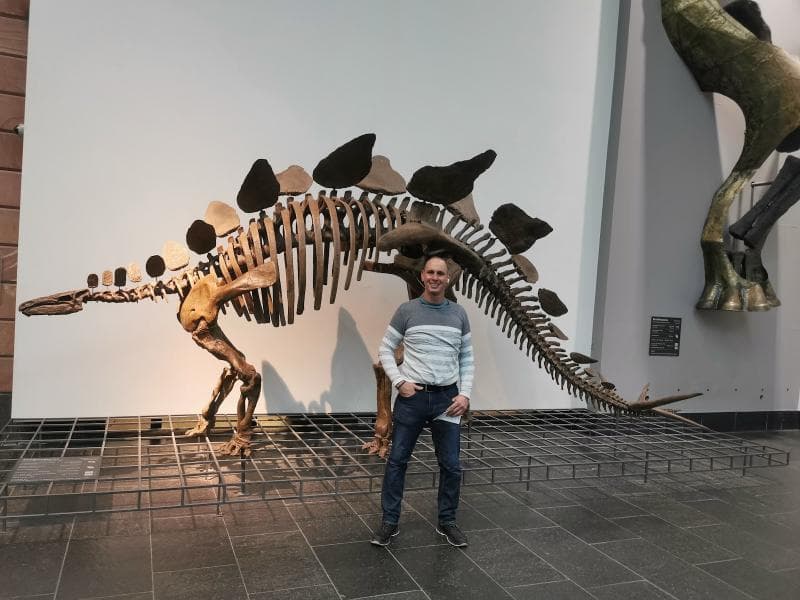
Discover the dynamic Special Exhibitions at the Senckenberg Natural History Museum in Frankfurt, Germany. Delve into unique natural wonders and scientific stories.
Overview
Nestled in the vibrant city of Frankfurt, Germany, the Senckenberg Natural History Museum stands as a beacon of natural science, and its Special Exhibitions offer an ever-evolving journey into the wonders of our planet. As one of Germany's largest natural history museums, Senckenberg is renowned for its vast collections, spanning from colossal dinosaurs to microscopic organisms. The Special Exhibitions section is a dynamic space that complements the museum's permanent displays, presenting cutting-edge research, unique scientific narratives, and captivating glimpses into Earth's biodiversity and history. These temporary showcases ensure that each visit brings new discoveries, whether you are a seasoned scientist or a curious traveler.
These exhibitions are carefully curated to explore specific themes, often highlighting recent scientific findings or delving deeper into particular aspects of natural history that resonate with current global conversations. They serve as a crucial bridge between Senckenberg's active research institute and the public, transforming complex scientific concepts into accessible and engaging experiences for all ages.
History & Cultural Background
The Senckenberg Natural History Museum traces its roots back to the visionary Johann Christian Senckenberg, a Frankfurt physician and philanthropist. In 1763, Senckenberg bequeathed his fortune to establish a foundation dedicated to science and medicine. This philanthropic spirit culminated in the founding of the non-profit Senckenberg Nature Research Society in 1817, which subsequently opened the Naturmuseum Senckenberg in 1821.
The current Neo-Baroque museum building, a landmark in Frankfurt, was constructed between 1904 and 1907. Since its inception, the Senckenberg institution has maintained a dual mission: to conduct world-class scientific research and to share the results of that research with the wider public through its comprehensive collections and exhibitions. This commitment to both scientific advancement and public education forms the cultural bedrock of the Special Exhibitions, ensuring they are not only entertaining but also deeply informative and thought-provoking.
What Makes It Special
The Special Exhibitions at the Senckenberg Natural History Museum are distinguished by their timely relevance and innovative presentation. Unlike the enduring permanent collections that house iconic exhibits like the Diplodocus and Edmontosaurus fossils, these temporary showcases embrace flexibility, allowing the museum to respond to new scientific discoveries and societal interests.
What truly sets them apart is their capacity to weave compelling narratives. For instance, past and upcoming special exhibitions have included explorations of specific ecological phenomena, such as 'Sargassum – A Curse and a Blessing', which examines the impacts of this marine algae, or exhibitions that shed light on overlooked historical contributions, like 'Missed Images: Women in the Natural Sciences'. This latter exhibit utilized AI-generated portraits to bring to life the stories of female scientists, patrons, and illustrators whose work shaped the institution, merging art and science to reveal hidden histories.
The exhibitions often incorporate interactive elements and immersive displays, designed to engage visitors beyond passive observation. This dynamic approach makes complex scientific topics tangible and relatable, fostering a deeper connection with the natural world and the research conducted at Senckenberg.
Stories, Fun Facts & Local Details
One fascinating aspect of the Special Exhibitions is their ability to bring obscure or niche scientific topics into the spotlight with engaging storytelling. For example, the exhibit 'Missed Images: Women in the Natural Sciences' not only celebrated the contributions of women who played vital roles at Senckenberg, but also sparked conversations about gender and representation in science.
Another example of a captivating special exhibition was 'EDMOND. The Last Days of the Dinosaurs', which promised to transport visitors to the Mesozoic Era. While the museum's permanent dinosaur hall is a major draw, these special dinosaur-themed exhibits often provide unique perspectives, perhaps focusing on a particular species, an event, or new paleontological findings, ensuring that even frequent visitors discover something new about these prehistoric giants.
The Senckenberg's commitment to research means that many special exhibitions are direct offshoots of ongoing scientific investigations by the Senckenberg Nature Research Society. This direct link to active science is a unique cultural detail, offering visitors a rare opportunity to witness science in action and understand its impact on our understanding of the world.
Visitor Perspective
For many visitors, especially families, the Special Exhibitions are a highlight of their Senckenberg experience. They offer fresh content, encouraging repeat visits and providing a sense of anticipation for what new wonders the museum will unveil next. The interactive nature of many of these displays, from virtual deep-sea dives to hands-on exploration in areas like the 'Aha?! Science Lab', ensures that learning is an active and enjoyable process.
Children are particularly drawn to these rotating exhibits, often finding them to be engaging and inspiring. The blend of impressive visuals, compelling narratives, and opportunities for interaction creates memorable experiences that can ignite a lifelong passion for natural history and science. It's a place where the grandeur of ancient life and the intricacies of modern ecosystems are presented not just as facts, but as exciting stories waiting to be explored. The Special Exhibitions truly embody Senckenberg's mission to foster an understanding and appreciation for biodiversity in everyone who walks through its doors.
Coordinates: 8.6517, 50.1175
View on Google Maps💬 How Travelers Describe This Place
Based on community votes
Interesting
791Photogenic
514Unique
457Beautiful
252Must See
19
Traveler Stories
Discover memorable experiences shared by travelers who have visited this place.
No traveler stories yet.
Be the first traveler to share what made this place memorable.

Tour
By
Spot
Discover amazing places around the world. Your journey starts here.
Explore
© 2026 TourBySpot. All rights reserved.