Reichstag Building
Berlin, Germany
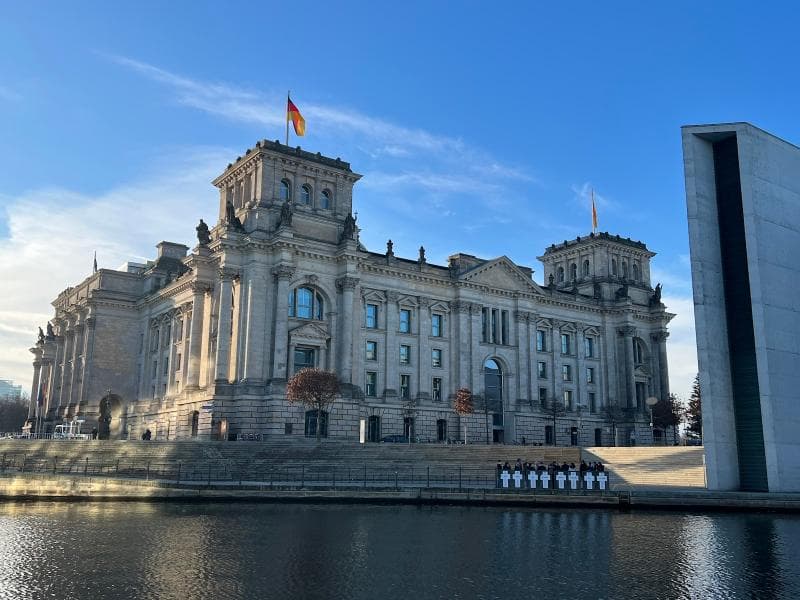
Explore Berlin's iconic Reichstag Building, seat of the German parliament. Discover its rich history, unique glass dome, and panoramic city views.
Overview
The Reichstag Building, nestled in the vibrant heart of Berlin, Germany, stands as an internationally recognized symbol of democracy and a compelling testament to the nation's complex history. It serves as the official seat of the German Bundestag, the country's national parliament. More than just a political edifice, its striking blend of historical architecture and modern design, especially its iconic glass dome, draws nearly three million visitors annually, making it one of Germany's most popular attractions. For any traveler exploring Berlin, a visit to the Reichstag offers a profound journey through German heritage, an architectural marvel, and breathtaking panoramic views of the cityscape.
History & Cultural Background
The story of the Reichstag Building is inextricably linked to the narrative of Germany itself. Construction began in 1884, based on the Neo-Renaissance designs of architect Paul Wallot, and it was completed a decade later in 1894. It housed the Reichstag, the parliament of the German Empire, and later the Weimar Republic. A significant moment in its early history occurred in 1916 when the powerful inscription 'Dem Deutschen Volke' – 'To the German People' – was added to its facade, signifying its dedication to the populace. In 1918, the German Republic was proclaimed from this very building, marking the end of the monarchy.
However, the building also witnessed some of Germany's darkest hours. In 1933, a devastating fire severely damaged the Reichstag, an event that provided the Nazi regime with a pretext to consolidate power and suppress political opposition. During World War II, the building suffered extensive damage and became a symbolic target for the Red Army in 1945. Visible bullet holes and original Soviet graffiti from that final battle remain preserved within the building, serving as stark reminders of its turbulent past.
Following the war, with Germany divided, the Reichstag lay largely in ruins and was used only for occasional ceremonial events. West Germany's parliament convened in Bonn. It wasn't until after German reunification in 1990, where the official ceremony was held at the Reichstag, that a decision was made to restore it as the seat of the reunified German parliament. A monumental reconstruction project, led by British architect Sir Norman Foster, began in 1995 and was completed in 1999, ushering in a new era for both the building and the nation.
What Makes It Special
The most distinctive feature of the renovated Reichstag Building is undoubtedly its spectacular glass dome, designed by Sir Norman Foster. This modern addition, made of steel and thousands of glass panels, offers a striking contrast to the original Neo-Renaissance facade, creating a harmonious blend of old and new. The dome is far more than an aesthetic masterpiece; it's a profound symbol of transparent governance and environmental innovation.
Visitors can ascend two steel spiraling ramps inside the dome, enjoying a 360-degree panorama of Berlin's urban landscape. Crucially, the dome sits directly above the parliamentary debating chamber, allowing the public to symbolically 'look over the shoulders' of their elected representatives, fostering a sense of openness and accountability. A clever mirrored cone at the dome's center directs natural light into the chamber below, significantly improving energy efficiency and reducing the need for artificial lighting. An electronically controlled sun shield tracks the sun's movement, preventing glare and excessive heat, further showcasing its commitment to sustainability.
Stories, Fun Facts & Local Details
The Reichstag is brimming with stories and intriguing details. Beyond the preserved Soviet graffiti, another fascinating episode involved the artist Christo and his wife Jeanne-Claude, who famously 'wrapped' the entire building in fabric in 1995, just before its reconstruction. This temporary art installation drew immense global attention and added another layer to the building's rich history, symbolizing a moment of artistic freedom and transition.
The Reichstag is a pioneering example of eco-architecture. Its advanced energy concept includes significant reliance on renewable energy, making it highly self-sufficient in its power production. This commitment to green building practices aligns with Germany's contemporary values and stands as a forward-thinking monument. The area surrounding the Reichstag is also a popular spot for locals and visitors alike. The large lawn in front of the building is a favored picnic spot and a pleasant place to relax on sunny days, offering a more casual interaction with this grand historical setting.
Visitor Perspective
Visiting the Reichstag Building offers a truly unique experience, providing insights into both Germany's political landscape and its past. While admission is free, it's essential to plan your visit well in advance, as prior online registration is mandatory for all visitors to the dome and rooftop terrace. Security is stringent, so be prepared for checks and remember to bring a valid original photo ID or passport, as copies are not accepted.
Once inside, an elevator will take you to the rooftop terrace, offering incredible views before you begin your walk through the glass dome. Multilingual audio guides are available on the roof terrace, enhancing the experience by providing fascinating details about the building, the German Bundestag, and the panoramic sights of Berlin. The Reichstag is generally open daily until midnight, with the last admission to the dome around 9:45 PM, though specific closure dates for maintenance or parliamentary sessions occur, particularly on December 24th and from 4 PM on December 31st, so always check the official Bundestag website for the most current information.
Coordinates: 13.3761, 52.5186
View on Google Maps💬 How Travelers Describe This Place
Based on community votes
Unique
672Photogenic
671Interesting
356Beautiful
225Must See
19
Traveler Stories
Discover memorable experiences shared by travelers who have visited this place.
No traveler stories yet.
Be the first traveler to share what made this place memorable.
Things to see at Reichstag Building



Tour
By
Spot
Discover amazing places around the world. Your journey starts here.
Explore
© 2026 TourBySpot. All rights reserved.