Visitor Center
Berlin, Germany
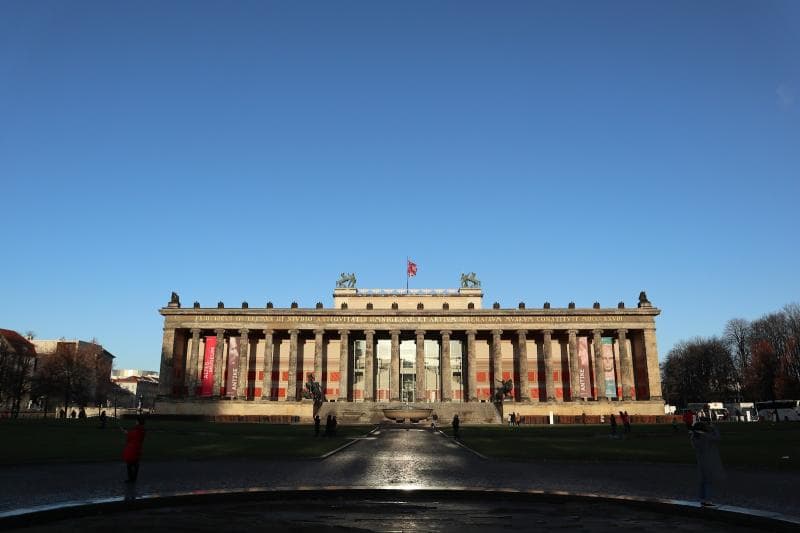
Explore the Reichstag Building's Visitor Services in Berlin, Germany, for free access to the iconic glass dome, rooftop terrace, and parliamentary insights. Discover history and stunning city views.
Overview
Stepping into the vicinity of the Reichstag Building in Berlin is to immerse oneself in the heart of German democracy and history. While there isn't a standalone 'Visitor Center' in the conventional sense, the comprehensive Visitor Services provided by the German Bundestag serve this crucial function, orchestrating a seamless and enriching experience for millions. Located a short walk from the iconic building itself, this service center on Scheidemannstraße is the gateway for those wishing to explore the historic Reichstag, its impressive glass dome, and the vibrant roof terrace. It is here that visitors register, receive essential information, and prepare for their journey through a place where political decisions are forged and history comes alive. Admission to these visitor areas is entirely free, a testament to Germany's commitment to transparency and public access to its parliamentary processes. From this hub, guests gain access to a world of architectural brilliance and profound historical significance, offering panoramic views of Berlin and insights into the workings of the German parliament.
History & Cultural Background
The Reichstag Building, an architectural masterpiece completed in 1894, has borne witness to Germany's most pivotal moments. Originally designed to house the Imperial Diet, it quickly became a symbol of German national identity. Its imposing facade, adorned with the inscription 'Dem Deutschen Volke' – 'To the German people' – added in 1916, powerfully proclaims its purpose as a house for all citizens. The building suffered significant damage during the infamous Reichstag Fire of 1933, an event that tragically marked the end of the Weimar Republic and paved the way for a dark chapter in German history. Further devastation during World War II left the building in ruins. After German reunification, the building underwent a monumental restoration and redesign led by British architect Sir Norman Foster, culminating in its reopening in 1999 as the seat of the German Bundestag, the modern German parliament. This rebirth transformed the Reichstag into a powerful emblem of democratic renewal and hope.
What Makes It Special
The Reichstag's unique blend of historical gravitas and contemporary architectural innovation truly sets it apart. Sir Norman Foster's redesign, particularly the addition of the striking glass dome, transformed the building into a modern marvel. This transparent dome, a symbol of the openness and accessibility of the German government, allows natural light to flood the plenary chamber below and offers visitors a metaphorical, and literal, look over the shoulders of their elected representatives. The spiral ramps within the dome provide a 360-degree panoramic view of Berlin's cityscape, showcasing landmarks like the Brandenburg Gate and the Spree River. This blend of form and function also incorporates eco-friendly design elements, making the Reichstag a model of sustainability with its natural lighting and ventilation systems. Beyond its architectural splendor, the opportunity for the public to visit the dome and rooftop terrace, often freely and with advanced registration, underscores Germany's democratic values, inviting everyone to engage with their parliamentary heritage.
Stories, Fun Facts & Local Details
One of the most moving aspects of visiting the Reichstag is discovering the Cyrillic graffiti left by Soviet soldiers during the Battle of Berlin in 1945. These messages, carefully preserved during the restoration, serve as a poignant and raw reminder of the building's tumultuous past and the city's journey through conflict. Another intriguing detail is the ingenious mirrored cone at the center of the dome, which not only directs daylight into the parliamentary chamber but also helps to ventilate the building naturally, showcasing a remarkable commitment to environmental consciousness. For those seeking a unique culinary experience, the Käfer Dachgarten-Restaurant, located directly adjacent to the dome, offers the rare chance to dine in a parliament building, enjoying gourmet food with unparalleled views of Berlin. Reservations for the restaurant are separate but also require security clearance. An audioguide, available in multiple languages, enhances the dome visit by providing historical context and details about the surrounding sights, making the ascent both visually stunning and intellectually engaging.
Visitor Perspective
Visiting the Reichstag Building's dome and roof terrace offers a profound journey through time and perspective. The Visitor Services act as the essential first step, ensuring organized and secure access. Prospective visitors are strongly advised to register online in advance via the official Bundestag website, as slots, especially for the popular dome access, fill up quickly. While on-site registration is possible at the service center on Scheidemannstraße, it is subject to availability and involves a waiting period. Upon arrival, guests undergo airport-style security checks, so it's important to bring a valid photo ID (passport or national ID card) and avoid large luggage, as storage facilities are not available. Once inside, the experience is transformative. Ascending the spiral ramps of the glass dome provides not only breathtaking panoramic views of Berlin but also a unique vantage point into the heart of German parliamentary proceedings, symbolizing democracy in action. Accessibility is a priority, with ramp access, available wheelchairs, and special audio guides catering to various needs. The visit is an inspiring testament to Germany's resilient past and its forward-looking commitment to transparent governance, leaving every traveler with a deeper understanding of its history and democratic spirit.
Coordinates: 13.3761, 52.5186
View on Google Maps💬 How Travelers Describe This Place
Based on community votes
Photogenic
847Must See
831Interesting
685Unique
433Beautiful
211
Traveler Stories
Discover memorable experiences shared by travelers who have visited this place.
No traveler stories yet.
Be the first traveler to share what made this place memorable.

Tour
By
Spot
Discover amazing places around the world. Your journey starts here.
Explore
© 2026 TourBySpot. All rights reserved.