Prado Museum
Madrid, Spain
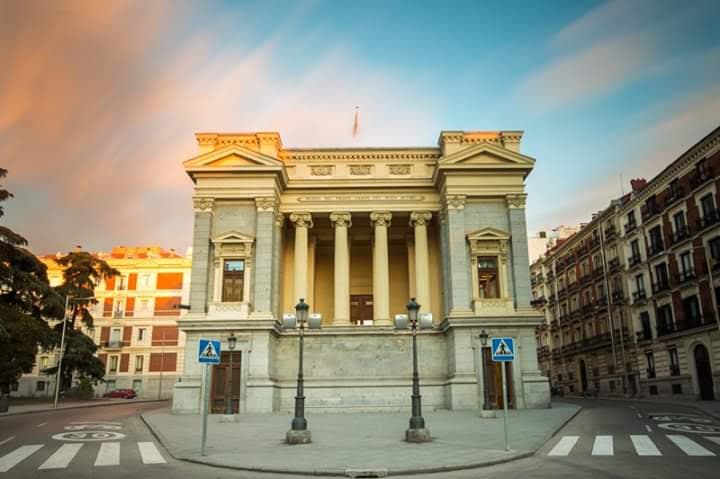
Explore the Prado Museum in Madrid, Spain, home to an unparalleled collection of Spanish, Italian, and Flemish masterpieces. Discover art and history.
Overview
Nestled in the heart of Madrid, Spain, the Museo Nacional del Prado, commonly known as the Prado Museum, stands as a beacon of European artistic heritage. It is widely recognized as one of the world's foremost art museums, boasting an unparalleled collection that primarily showcases Spanish, Italian, and Flemish masterpieces. The museum is a cornerstone of Madrid's cultural landscape, forming part of the illustrious 'Golden Triangle of Art' alongside the Thyssen-Bornemisza Museum and the Reina Sofía Museum.
Originally established in 1819, the Prado's collection is deeply rooted in the art amassed by the Spanish Habsburg and Bourbon monarchs over centuries, offering a unique journey through the artistic tastes and political connections of the Spanish Crown. Visitors embark on a visual feast, exploring works that span from the 12th century to the early 20th century, with an emphasis on painting, alongside significant collections of sculptures, drawings, and decorative arts.
History & Cultural Background
The story of the Prado Museum begins with an architectural vision. The elegant Neoclassical building that houses the museum today was designed by Juan de Villanueva in 1785. King Charles III commissioned it, initially intending for it to be a Natural History Cabinet, reflecting the Enlightenment ideals of scientific learning prevalent at the time.
However, its destiny shifted under the reign of King Ferdinand VII. Encouraged by his wife, Queen María Isabel de Braganza, who held a passion for art, the building was transformed into the Royal Museum of Paintings and Sculptures. It officially opened its doors to the public in November 1819. This pivotal decision marked the birth of one of Europe's most significant art institutions. Following the deposition of Queen Isabella II in 1868, the museum was nationalized and officially adopted its current name, the Museo del Prado.
What Makes It Special
What sets the Prado Museum apart is not just the sheer volume of its collection, which comprises over 8,000 paintings, but its distinct focus and depth. Unlike encyclopedic museums, the Prado's strength lies in its unparalleled concentration of specific artistic schools and masters, shaped by royal patronage and dynastic ties.
The museum holds the world's most comprehensive collection of Spanish painting, allowing visitors to trace the evolution of Spanish art through the genius of artists like Diego Velázquez, Francisco Goya, and El Greco. Velázquez's enigmatic 'Las Meninas' is often considered the museum's most famous painting, a complex work that continues to fascinate art historians. Goya's powerful 'Black Paintings' and his depictions of historical events like 'The Third of May 1808' offer profound insights into his later, darker period and historical trauma. The collection also boasts an extraordinary array of Flemish art, notably Hieronymus Bosch's surreal 'The Garden of Earthly Delights,' reflecting centuries of Spanish rule over the Low Countries. Masterpieces by Italian artists such as Titian and Raphael are also prominently featured, a testament to the Spanish monarchy's appreciation for Italian Renaissance art.
Stories, Fun Facts & Local Details
The very name 'Prado' means 'meadow' or 'lawn' in Spanish. This seemingly humble name refers to the grassy area, known as the 'Jerónimos' lawn,' where the museum was built. While initially called the Royal Museum, the popular moniker 'Prado' eventually became its official title around the 1920s.
In its nascent years, the museum had a rather peculiar rule: it would close on rainy days. This was to prevent potential damage to both the building and the priceless artworks from the elements, a fascinating detail that highlights the early challenges of art preservation. Beyond paintings, the Prado's extensive holdings include thousands of drawings, engravings, and decorative art pieces, such as the exquisite 'Dauphin's Treasure,' a collection of luxury vessels once belonging to Philip V. Among its intriguing possessions is also a highly regarded copy of Leonardo Da Vinci's 'Gioconda,' considered a mysterious and significant reproduction of the world-renowned masterpiece.
Visitor Perspective
A visit to the Prado Museum is a journey through art history that typically requires at least two to three hours to appreciate its essential works. However, art enthusiasts could easily spend an entire day immersed in its vast galleries. To make the most of your visit, it's advisable to plan your route in advance, perhaps focusing on particular artists or periods that capture your interest.
For those seeking a quieter experience, arriving shortly after the museum opens at 10 AM on a weekday is often recommended, as crowds tend to build up later in the day. The Prado also offers free entry during specific evening hours from Monday to Saturday and on Sundays and holidays, though queues can form early for these popular slots. The museum's continuous expansion, including the significant addition by Rafael Moneo in 2007, ensures that while the historical grandeur remains, visitor facilities are continually modernized.
Coordinates: -3.692524, 40.413812
View on Google Maps💬 How Travelers Describe This Place
Based on community votes
Photogenic
953Unique
695Beautiful
396Must See
286Interesting
22
Traveler Stories
Discover memorable experiences shared by travelers who have visited this place.
No traveler stories yet.
Be the first traveler to share what made this place memorable.
Things to see at Prado Museum



Tour
By
Spot
Discover amazing places around the world. Your journey starts here.
Explore
© 2026 TourBySpot. All rights reserved.