Flemish Painting Wing
Madrid, Spain
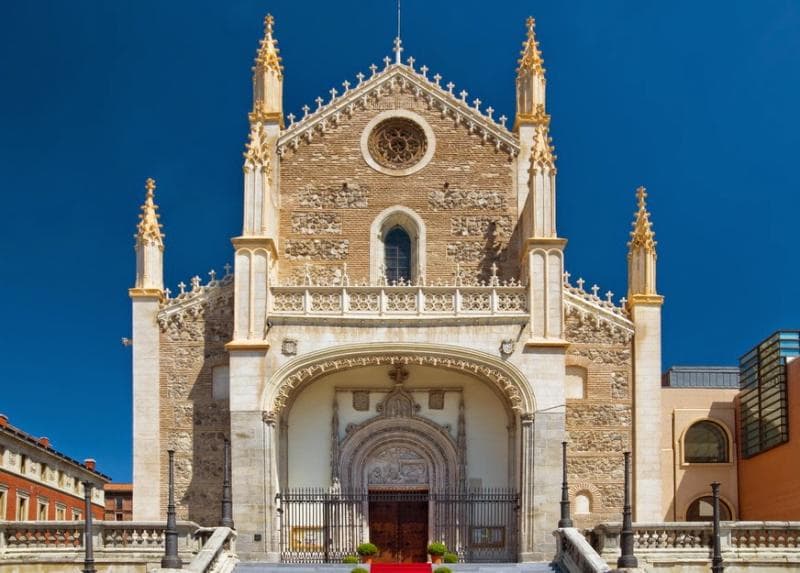
Discover the Flemish Painting Wing at the Prado Museum in Madrid, Spain. Explore masterpieces by Bosch, Rubens, and Van Dyck in one of the world's finest collections.
Overview
Step into a realm of artistic mastery within Madrid's esteemed Prado Museum, where the Flemish Painting Wing unveils one of the world's most comprehensive and significant collections of Flemish art. Spanning from the 15th to the 17th centuries, this wing is a testament to a golden age of painting, showcasing nearly 1,000 works that capture the extraordinary skill and innovative spirit of Flemish masters. Visitors are immersed in a rich tapestry of art, from the detailed realism of early Flemish painters to the dramatic Baroque compositions, offering an unparalleled journey through this pivotal period in European art history. The collection features an impressive array of iconic artists, including Hieronymus Bosch, Rogier van der Weyden, Peter Paul Rubens, and Anthony van Dyck, making it a must-see for any art enthusiast.
History & Cultural Background
The remarkable depth and quality of the Prado's Flemish collection is deeply rooted in the intertwined histories of Spain and the Low Countries. From the late 15th century onwards, the Habsburg dynasty ruled both regions, placing Spanish monarchs in a unique and advantageous position to acquire a vast number of works from Flemish artists. This royal patronage was instrumental in building what is now one of the finest collections globally. Figures like King Philip II were ardent admirers and significant collectors, famously acquiring many of Hieronymus Bosch's intricate and imaginative paintings. Later, Philip IV became a dedicated patron of Peter Paul Rubens, leading to the Prado housing the largest collection of Rubens's works in existence. Flemish painting itself flourished during this period, captivating art lovers across Europe with its meticulous realism, rich detail, and the luminous quality achieved through the pioneering use of oil paint. This technique, innovated by Flemish painters, allowed for unprecedented depth and vibrancy, fundamentally influencing the trajectory of European art.
What Makes It Special
What truly sets the Flemish Painting Wing apart is not just the sheer volume of its holdings, but also the extraordinary concentration of masterpieces by pivotal artists. The Prado boasts the largest existing collections of works by Hieronymus Bosch, Joachim Patinir, and Peter Paul Rubens, offering an in-depth look at their respective oeuvres. Key highlights include Rogier van der Weyden's 'The Descent from the Cross,' recognized as one of the great canonical works in European art. Hieronymus Bosch's enigmatic 'The Garden of Earthly Delights Triptych' is another undeniable draw, its fantastical imagery and complex symbolism continuing to fascinate and inspire interpretation. Visitors can also marvel at Pieter Brueghel the Elder's 'The Triumph of Death,' a macabre yet exquisite depiction of human mortality. Peter Paul Rubens's sensual and majestic works, such as 'The Three Graces,' exemplify the Baroque period's grandeur and emotional intensity. The collection also features significant contributions from artists like Anthony van Dyck, Jan Brueghel the Elder, and Clara Peeters, each bringing their unique vision to the diverse landscape of Flemish art.
Stories, Fun Facts & Local Details
Beyond the grandeur of the paintings themselves, the Flemish Painting Wing holds intriguing stories. Hieronymus Bosch, known in Spain as 'El Bosco,' continues to captivate modern visitors with the remarkable fantastical worlds and satirical commentary embedded in his works. His pieces, like 'The Garden of Earthly Delights,' have inspired countless discussions and even influenced later movements such as Surrealism. The close relationship between the Spanish monarchy and Flemish artists meant many paintings were specifically commissioned for royal collections, providing a direct link between political power and artistic expression. For instance, Rubens was not merely a painter but a favored artist of Philip IV. The Prado Museum itself has been described as a 'museum of painters rather than of paintings,' due to its extensive holdings by individual artists, allowing visitors to trace an artist's development across numerous works. In recent years, the museum has undertaken significant efforts to enhance the visitor experience, including opening new galleries for 17th-century Flemish painting in the North Wing in 2018, further enriching the display of this magnificent collection.
Visitor Perspective
Exploring the Flemish Painting Wing is an immersive experience that demands time and attention. Due to the immense popularity of certain masterpieces, such as Bosch's 'The Garden of Earthly Delights,' it is often recommended to visit early in the morning or during less crowded times to fully appreciate their intricate details. The galleries are thoughtfully arranged, allowing visitors to follow the evolution of Flemish art from the 15th to the 17th centuries and to compare the distinct styles of different artists. While the sheer number of works can be overwhelming, focusing on a few key artists or periods can make the visit more manageable and rewarding. The wing offers a quiet contemplation of art that reflects both the spiritual depth and the burgeoning realism of the era. Engage with the narrative of each painting; consider the meticulous brushwork, the symbolic elements, and the historical context that brought these incredible pieces from Flanders to the heart of Madrid. It's an opportunity to connect with centuries of artistic heritage and witness the enduring legacy of Flemish painting.
Coordinates: -3.692524, 40.413812
View on Google Maps💬 How Travelers Describe This Place
Based on community votes
Beautiful
953Unique
658Photogenic
585Interesting
69Must See
22
Traveler Stories
Discover memorable experiences shared by travelers who have visited this place.
No traveler stories yet.
Be the first traveler to share what made this place memorable.

Tour
By
Spot
Discover amazing places around the world. Your journey starts here.
Explore
© 2026 TourBySpot. All rights reserved.