El Greco Rooms
Madrid, Spain
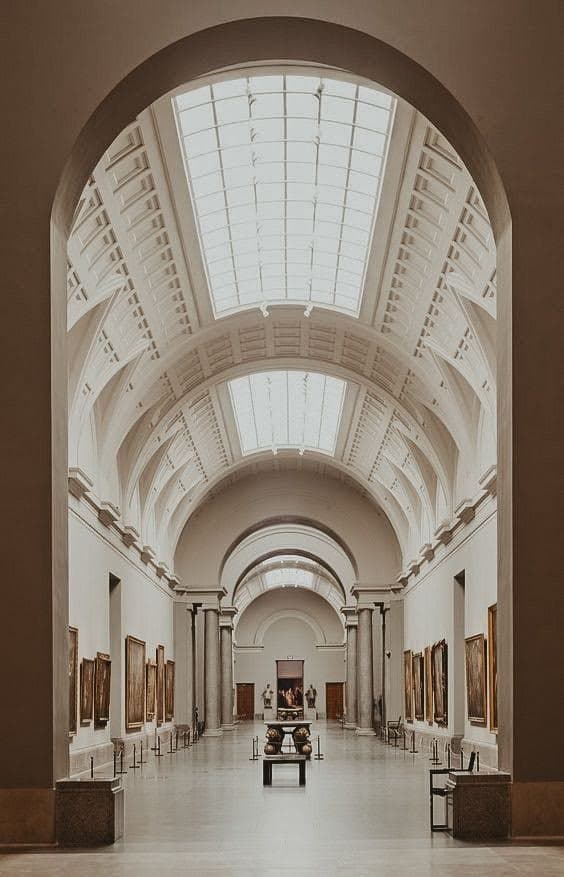
Explore the El Greco Rooms at the Prado Museum in Madrid, Spain, showcasing the master's iconic elongated figures and spiritual intensity.
Overview
Stepping into the El Greco Rooms within the iconic Prado Museum in Madrid, Spain, is like entering a portal to the Spanish Golden Age, filtered through the extraordinary vision of a singular artist. While not a separate, distinct wing, the dedicated galleries showcasing Domenikos Theotokopoulos, universally known as El Greco, form one of the richest collections of his work globally. Here, visitors encounter a profound visual narrative of faith, emotion, and unparalleled artistic innovation. The museum's careful curation allows for a deep appreciation of his masterpieces, revealing the evolution and enduring impact of an artist who defied convention and left an indelible mark on art history. It's an essential stop for anyone seeking to understand the unique spiritual and artistic landscape of 16th and early 17th century Spain.
History & Cultural Background
Born in 1541 on the island of Crete, then under Venetian rule, El Greco – 'The Greek' – began his artistic journey immersed in the Byzantine tradition of icon painting. His insatiable curiosity led him to Venice around 1567, where he absorbed the vibrant colors and bold brushwork of masters like Titian and Tintoretto. Later, in Rome, he engaged with the Mannerist movement and the monumental forms of Michelangelo, further enriching his developing style.
In 1577, El Greco moved to Spain, initially seeking royal patronage from King Philip II in Madrid. However, his highly individual style did not resonate with the monarch, leading him to settle in Toledo. This ancient, spiritual city became his home and the crucible for his most profound artistic expressions. It was in Toledo that he received major commissions from the church and local intelligentsia, and where he lived and worked until his death in 1614. His arrival marked a pivotal moment, as he fused his Byzantine roots with Italian Renaissance and Mannerist techniques, culminating in a style that was uniquely his own and deeply intertwined with the spiritual intensity of Counter-Reformation Spain.
What Makes It Special
El Greco's works stand apart through their deeply personal and expressionistic qualities. He broke from the prevailing artistic norms of his time, creating a style characterized by elongated, almost ethereal figures that seem to stretch towards the heavens. His use of dramatic contrasts of light and shadow, combined with often vivid and unexpected color palettes, imbues his paintings with an intense spiritual and emotional charge. These elements were not merely stylistic flourishes; they served to convey a sense of the divine and the ecstatic.
Among the treasures housed in the Prado are iconic works such as 'The Nobleman with His Hand on His Chest', a captivating portrait radiating dignity and psychological depth, and 'The Holy Trinity', a masterpiece of religious emotion that was one of his first major commissions in Toledo. Another highlight is 'The Adoration of the Shepherds', a late work that exemplifies his swirling compositions and mystical use of light, believed to have been intended for his own funerary chapel. Viewing these works together offers an unparalleled opportunity to witness El Greco's groundbreaking approach to art, where spiritual fervor is made tangible through audacious brushwork and daring compositions.
Stories, Fun Facts & Local Details
The name 'El Greco' itself is a testament to his origins; meaning 'The Greek,' it was the moniker given to Domenikos Theotokopoulos by his Italian and Spanish contemporaries. A fun fact surrounding 'The Nobleman with His Hand on His Chest' is the enduring mystery of the sitter's identity, adding to its intrigue and inviting speculation among viewers. El Greco's innovative approach, which often left his contemporaries puzzled, later profoundly influenced 19th and 20th-century artists. Modern art movements like Expressionism and Cubism recognized him as a precursor, with figures like Pablo Picasso drawing inspiration from his distorted forms and emotional vision.
His journey to Spain was driven by ambition, and though he didn't secure King Philip II's patronage, his independent spirit flourished in Toledo, where he became highly respected. He even established a workshop with his son, Jorge Manuel, and other assistants, creating not only paintings but also architectural frameworks for his altarpieces. His dedication extended to designing 'The Adoration of the Shepherds' for his own final resting place, a poignant detail that speaks to the profound spirituality embedded in his later works.
Visitor Perspective
A visit to the El Greco Rooms in the Prado Museum is a deeply moving experience. The canvases, with their often monumental scale and intense colors, demand attention and reflection. Standing before works like 'The Holy Trinity', one can feel the palpable spiritual energy El Greco infused into his art. The elongated figures, sometimes appearing almost weightless, draw the eye upwards, creating a sense of awe and transcendence. It's advisable to take your time in these rooms, allowing the dramatic compositions and unique brushwork to fully register. To locate El Greco's works, head to Room 9B on Floor 1 of the Prado Museum, nestled within the permanent collection dedicated to Spanish Renaissance and Mannerist art. The collection is designed to envelop you in El Greco's distinctive world, offering insights into his genius and his enduring legacy.
Coordinates: -3.6925, 40.413611
View on Google Maps💬 How Travelers Describe This Place
Based on community votes
Unique
989Beautiful
613Photogenic
603Interesting
581Must See
207
Traveler Stories
Discover memorable experiences shared by travelers who have visited this place.
No traveler stories yet.
Be the first traveler to share what made this place memorable.

Tour
By
Spot
Discover amazing places around the world. Your journey starts here.
Explore
© 2026 TourBySpot. All rights reserved.