Central Gallery
Madrid, Spain
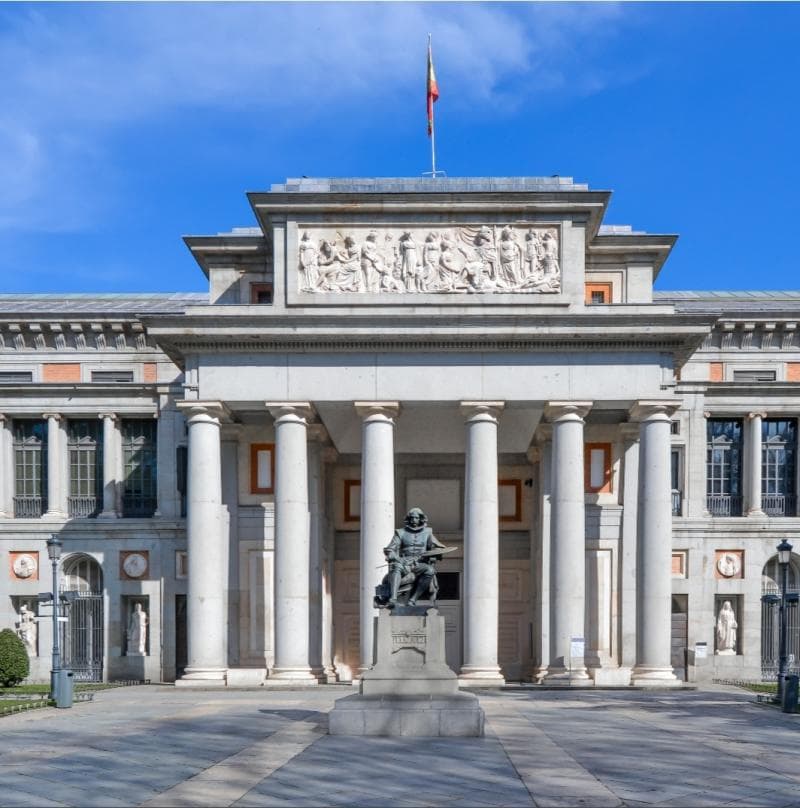
Explore the Central Gallery at the Prado Museum in Madrid, Spain, home to Europe's finest masterpieces and neoclassical splendor.
Overview
Stepping into the Central Gallery of the Prado Museum in Madrid, Spain, is to enter the very heart of European artistic heritage. This majestic thoroughfare, primarily located within the historic Villanueva Building, serves as the grand spinal column of the museum, guiding visitors through centuries of artistic genius. It is not merely a passageway but a destination in itself, embodying the neoclassical grandeur of the building and housing some of the most celebrated masterpieces from the Spanish Royal Collection. The Central Gallery's architectural brilliance complements the priceless artworks it presents, offering a serene yet awe-inspiring journey through art history.
While not a single, distinct 'room' with its own name, the term 'Central Gallery' refers to the prominent, expansive central spaces and corridors, particularly on the first floor, that showcase the Prado's core collection. It's here that the museum's identity as a 'museum of painters rather than paintings' truly comes alive, allowing a deep dive into the oeuvres of masters like Velázquez, Goya, and El Greco.
History & Cultural Background
The building housing the Central Gallery, the Villanueva Building, was designed in 1785 by the celebrated architect Juan de Villanueva, under the directive of King Charles III. Initially, its purpose was far removed from art; it was intended to house the Royal Cabinet of Natural History. However, history had a different plan. Following the Peninsular War and subsequent restoration, King Ferdinand VII, greatly encouraged by his wife Queen María Isabel de Braganza, decided in 1819 to convert the building into the Royal Museum of Paintings and Sculptures.
This neoclassical structure, characterized by its classical restraint, symmetrical layouts, and abundant natural light, was perfectly suited for its new role. Villanueva's vision for a grand, longitudinal building with luminous galleries directly influenced the creation of the Central Gallery's expansive and light-filled atmosphere, a design choice that profoundly enhances the viewing experience of the artworks. The transformation marked a pivotal moment, making the vast royal collection accessible to the public and establishing the foundation for what would become one of the world's foremost art museums.
What Makes It Special
The Central Gallery's uniqueness lies in its harmonious blend of architectural splendor and artistic concentration. Designed with long vistas and often bathed in gentle natural light from its windows overlooking the Paseo del Prado, it creates an immersive environment for contemplation. It's within these central areas that visitors encounter an unparalleled collection of European art, particularly from the Spanish, Italian, and Flemish schools, reflecting centuries of patronage by the Spanish Crown.
Unlike many museums that present a chronological or geographical display, the Central Gallery often allows for a more thematic or artist-centric exploration, enabling a deeper understanding of the artists' development and influence. The scale of the gallery itself, with its high ceilings and grand proportions, lends an air of reverence to the masterpieces it contains, making each viewing a significant event.
Stories, Fun Facts & Local Details
One of the most famous occupants of the central exhibition spaces, often found in Room 12 on the first floor near the Central Gallery's main axis, is Diego Velázquez's 'Las Meninas'. This enigmatic work is not just a painting; it's a conversation starter, an optical puzzle, and a profound meditation on art and royalty. The painting's complex composition, which includes Velázquez himself at his easel and the royal couple reflected in a mirror, continues to fascinate and challenge viewers, making it one of the most analyzed works in Western art.
The Prado's collection was largely amassed through the discerning tastes of Spanish monarchs, particularly the Habsburg and Bourbon dynasties, transforming it into a repository of artistic treasures. This royal legacy means that many works displayed in the Central Gallery were once private possessions of kings and queens, imbued with personal stories and political significance, adding layers of intrigue to each canvas. The museum's dedication to preserving and showcasing these works has made it a cultural time capsule, reflecting Spain's rich history and its artistic dialogue with Europe.
Visitor Perspective
For any curious traveler, traversing the Central Gallery is an essential experience that transcends a typical museum visit. It's a journey where every turn reveals another iconic piece, from the profound realism of Velázquez to the intense emotional landscapes of Goya, or the spiritual depth of El Greco. The sheer volume and quality of the art can be overwhelming, yet the spaciousness of the gallery provides moments for reflection and absorption.
It's advisable to allow ample time to wander, get lost in the details of a brushstroke, or simply sit and gaze upon the profound narratives unfolding on the canvases. The Central Gallery offers a palpable connection to history, inviting you to witness the mastery that has shaped Western art, leaving a lasting impression and a deeper appreciation for the power of human creativity.
Coordinates: -3.692127102079222, 40.41397374463827
View on Google Maps💬 How Travelers Describe This Place
Based on community votes
Beautiful
886Unique
564Must See
233Interesting
201Photogenic
121
Traveler Stories
Discover memorable experiences shared by travelers who have visited this place.
No traveler stories yet.
Be the first traveler to share what made this place memorable.

Tour
By
Spot
Discover amazing places around the world. Your journey starts here.
Explore
© 2026 TourBySpot. All rights reserved.