Pinacoteca di Brera
Milan, Italy
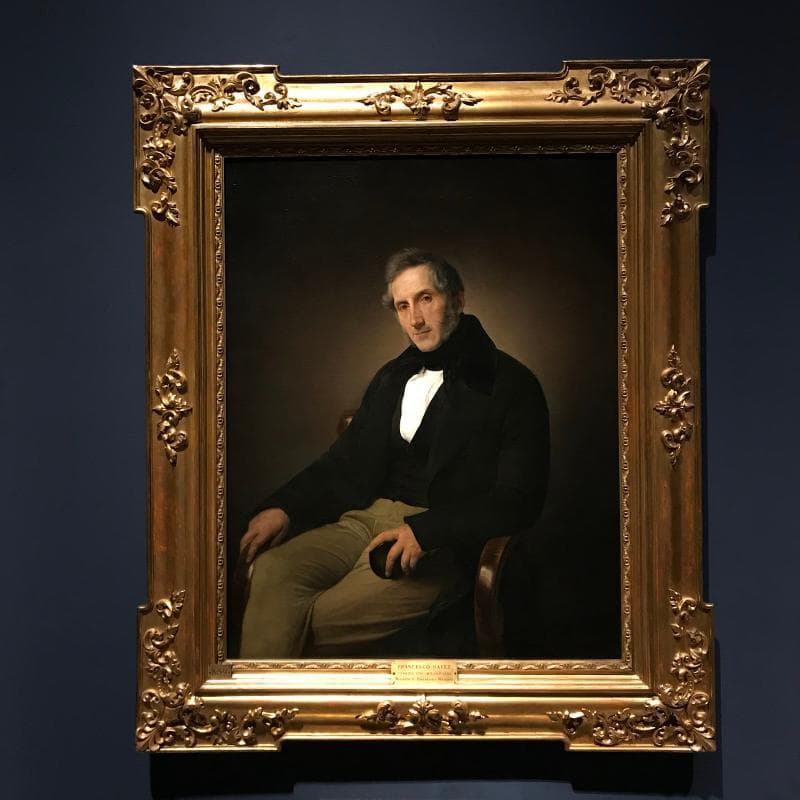
Explore Milan, Italy's Pinacoteca di Brera. Discover Italian art masterpieces (13th-20th centuries) by Raphael, Mantegna, and Caravaggio in a historic palazzo.
Overview
The Pinacoteca di Brera stands as a cultural beacon in the heart of Milan, Italy, nestled within the picturesque Brera district. More than just an art gallery, it is a grand repository of Italian art, offering a profound journey through centuries of artistic mastery. Housed within the historic Palazzo Brera, the Pinacoteca shares its stately premises with other significant institutions, including the Brera Academy of Fine Arts, the Braidense National Library, and the Brera Botanical Garden. This creates a vibrant cultural campus where art, history, and scholarship intertwine. Visitors to the Pinacoteca di Brera can immerse themselves in an unparalleled collection primarily focused on Italian painting from the 13th to the 20th century, particularly strong in Venetian and Lombard Renaissance and Baroque masterpieces.
History & Cultural Background
The origins of the Pinacoteca di Brera trace back to the intellectual ambitions of Empress Maria Theresa of Austria. In 1776, she established the Brera Academy of Fine Arts within the then-former Jesuit college, the Palazzo Brera, aiming to foster education and creativity. The nascent collection served primarily as an educational resource for art students. However, its transformation into a major public museum occurred under Napoleon I. In 1809, Napoleon officially opened the Pinacoteca, envisioning it as a rival to the prestigious Louvre in Paris and establishing Milan as a cultural capital of his Kingdom of Italy. During this period, the collection rapidly expanded through the requisition of artworks from suppressed churches and convents across northern Italy. This historical circumstance largely explains the museum's rich endowment of religious-themed paintings and grand altarpieces, which were transferred from their original ecclesiastical settings. The Pinacoteca was eventually separated from the Academy in 1882, solidifying its identity as an independent art gallery. Though it suffered damage during World War II, the museum was lovingly restored, ensuring the preservation of its invaluable heritage.
What Makes It Special
What truly sets the Pinacoteca di Brera apart is its extraordinary focus on Italian art, presenting one of the nation's foremost collections spanning from the 13th to the 20th century. It boasts exceptional holdings of Venetian and Lombard paintings from the Renaissance and Baroque periods, offering deep insights into these influential artistic schools. Among its revered masterpieces are Raphael's ethereal 'The Marriage of the Virgin', Andrea Mantegna's dramatically foreshortened 'Lamentation over the Dead Christ', Caravaggio's evocative 'Supper at Emmaus', Piero della Francesca's monumental 'Brera Madonna', and Francesco Hayez's iconic Romantic work, 'The Kiss'. The museum's location within the grand Palazzo Brera enhances its unique appeal. Sharing the historic complex with the Accademia di Belle Arti, the Braidense National Library, and the Botanical Garden, it creates a unique cultural ecosystem, where visitors can sense the continuity of art, learning, and nature. Unlike some larger, more sprawling institutions, Brera offers a more intimate viewing experience, allowing art lovers to engage deeply with each masterpiece without feeling overwhelmed.
Stories, Fun Facts & Local Details
The very name 'Brera' has historical roots, deriving from the Germanic word 'braida', which refers to a grassy opening or an open space within a city structure. The museum's significant collection of religious art is a direct result of Napoleon Bonaparte's decree, as he sought to consolidate art from suppressed religious institutions into public galleries. His ambition was for Milan to house a museum that could stand toe-to-toe with the famed Louvre in Paris. Francesco Hayez's 'The Kiss' is not merely a beautiful painting; created in 1859, it became a powerful symbol of Italian Romanticism and is widely interpreted as an allegory for the Risorgimento, the movement for Italian unification. Andrea Mantegna's 'Lamentation over the Dead Christ' is renowned for its revolutionary use of foreshortening, pulling the viewer into an emotionally charged, almost confrontational perspective of Christ's body. In recent years, the 'Grande Brera' project has been underway, including the opening of the Palazzo Citterio as a modern art wing, further enriching the museum's offerings and its connection to contemporary Italian art.
Visitor Perspective
A visit to the Pinacoteca di Brera offers a profound cultural experience for any traveler exploring Milan. Situated in the charming and artistic Brera district, known for its bohemian atmosphere, the museum provides a perfect complement to strolling through its narrow, art-filled streets. The gallery fosters an intimate atmosphere, inviting visitors to linger and connect with the artworks on a personal level, a welcome contrast to some of Europe's more bustling museums. While the collection predominantly features Italian religious art from the 13th to the 19th centuries, its depth and quality appeal to a wide range of art enthusiasts. For those planning a visit, the Pinacoteca is typically open from Tuesday to Sunday, with Mondays being its usual closing day. It is advisable to check the official website for current opening hours and any requirements for timed entry, ensuring a smooth and enjoyable exploration of this Milanese treasure.
Coordinates: 9.18806, 45.47194
View on Google Maps💬 How Travelers Describe This Place
Based on community votes
Interesting
826Beautiful
800Unique
387Photogenic
242Must See
90
Traveler Stories
Discover memorable experiences shared by travelers who have visited this place.
No traveler stories yet.
Be the first traveler to share what made this place memorable.
Things to see at Pinacoteca di Brera


Tour
By
Spot
Discover amazing places around the world. Your journey starts here.
Explore
© 2026 TourBySpot. All rights reserved.