Napoleonic halls
Milan, Italy
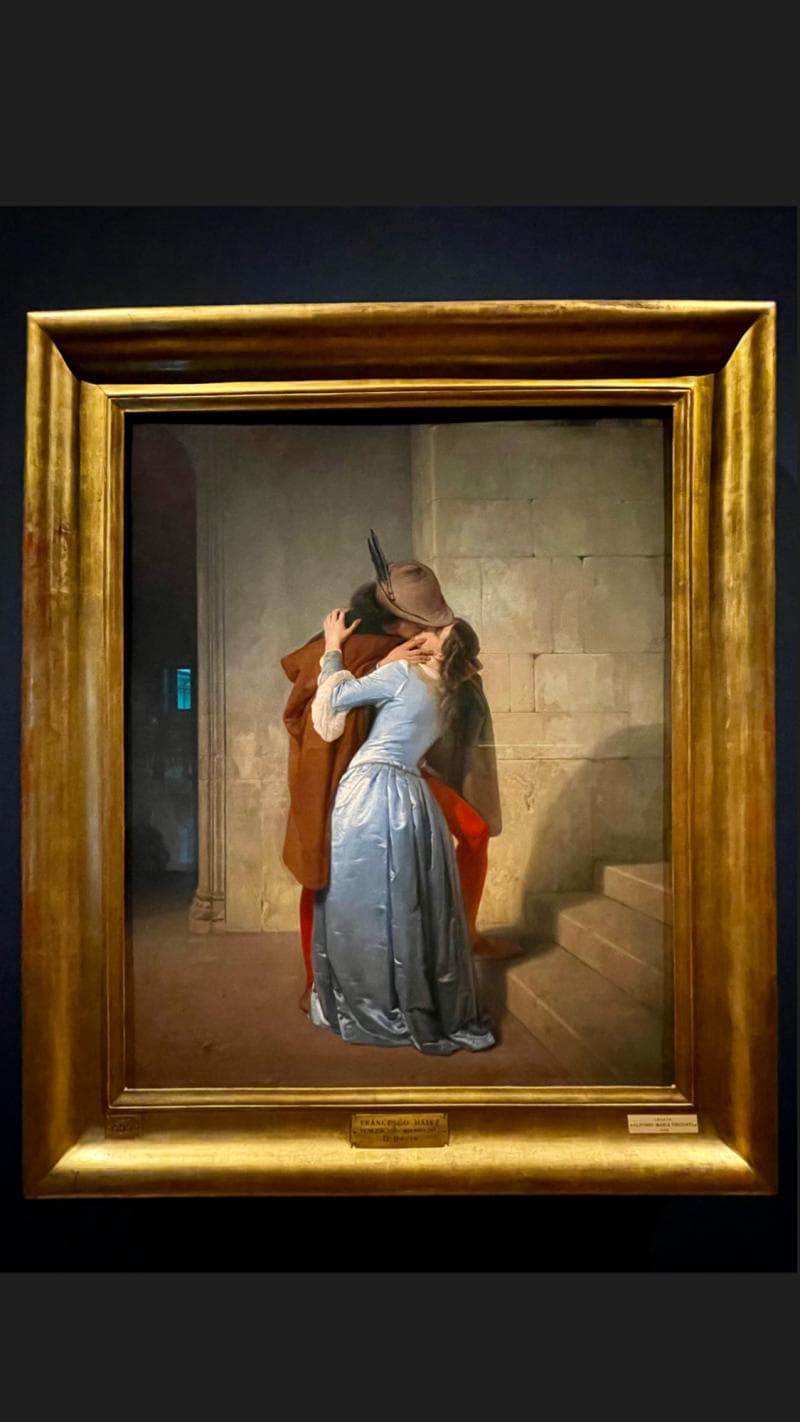
Explore the Napoleonic halls within Pinacoteca di Brera in Milan, Italy, a museum founded by Napoleon featuring iconic Italian masterpieces.
Overview
Deep within the revered Pinacoteca di Brera in Milan, Italy, lie the significant Napoleonic halls, a testament to a pivotal era in both art history and European politics. The Pinacoteca di Brera, Italy's premier public gallery for paintings, is housed within the grand Palazzo di Brera, a Baroque masterpiece in Milan's bohemian Brera district. [8] Established officially in 1809 by Napoleon Bonaparte himself, this museum stands apart from many others across Italy. [7, 42] Its inception was not due to the private collections of aristocrats, but rather a deliberate state-led initiative to assemble a monumental collection of art. [9, 42] The Napoleonic halls specifically refer to the foundational galleries where this ambitious vision first came to life, showcasing artworks primarily gathered during Napoleon's reign. These halls continue to display some of the museum's most celebrated treasures, offering visitors a profound journey through Italian painting from the 13th to the 20th century. [6]
History & Cultural Background
The story of the Napoleonic halls is intertwined with the broader history of the Palazzo di Brera itself. Originally, the site hosted a 14th-century monastery before becoming a Jesuit college. [33] In 1773, following the suppression of the Jesuits, Empress Maria Theresa of Austria transformed the palazzo into a hub of culture and science. [4] She founded the Brera Academy of Fine Arts in 1776, alongside an astronomical observatory, a botanical garden, and the Braidense National Library, intending to foster artistic education. [4, 6, 12, 55] The Pinacoteca initially served as an educational collection for the academy's students. [4, 42]
However, the museum's destiny was irrevocably shaped by Napoleon Bonaparte. When Milan became the capital of his Kingdom of Italy, Napoleon envisioned a grand public museum to rival Paris's Louvre. [9, 15, 20, 49] Under his directive, and largely due to the efforts of Giuseppe Bossi, then secretary of the Brera Academy, artworks were systematically requisitioned. [4, 14, 39] These pieces, primarily from suppressed monasteries, churches, and conquered territories across northern Italy, formed the core of the Pinacoteca's collection. [8, 9, 42] The official opening of the 'Reale Pinacoteca' took place on August 15, 1809, Napoleon's birthday, with paintings displayed in three of the then-four Napoleonic halls. [6, 13]
What Makes It Special
What truly sets the Napoleonic halls and the broader Pinacoteca di Brera apart is the very nature of its collection. Unlike other major Italian museums that grew from private princely collections, Brera's holdings are a product of state and political will. [9, 42, 44] This origin story means the museum possesses an unparalleled collection of large-format religious paintings, many of which were once altarpieces from various ecclesiastical institutions. [10, 32, 42]
Within these historic halls, visitors encounter masterpieces that define Italian art. Among the most iconic are Andrea Mantegna's emotionally charged 'Lamentation over the Dead Christ', Raphael's exquisitely balanced 'Marriage of the Virgin', and Piero della Francesca's 'Montefeltro Altarpiece' (Brera Madonna). [8, 15, 16, 55] Caravaggio's dramatic 'Supper at Emmaus' also graces the collection, alongside significant works by Giovanni Bellini and Tintoretto. [8, 55] The chronological arrangement of the collection, spanning over six centuries, allows for a comprehensive appreciation of Italian painting. [33]
Stories, Fun Facts & Local Details
The influence of Napoleon is palpable even before entering the museum. In the Palazzo di Brera's neoclassical courtyard stands a bronze statue of Napoleon Bonaparte, depicted heroically as Mars the Peacemaker, originally cast by Antonio Canova. [8, 26, 33, 49] This imposing statue serves as a striking reminder of the museum's imperial founding. [8, 20] Inside, a massive plaster cast of this very statue is often displayed, emphasizing its historical significance to the institution's inauguration in 1809. [37, 38]
A fascinating local detail reflecting the collection's unique origins is the prevalence of large, sacred artworks. These paintings, confiscated from churches, often depict religious scenes in monumental scale, offering a glimpse into the ecclesiastical art of various Italian regions. [10, 42] Furthermore, the museum itself, coexisting with the Brera Academy, the Braidense Library, and an astronomical observatory within the same historic palace, creates a unique cultural ecosystem. [23, 55]
Visitor Perspective
Visiting the Napoleonic halls within the Pinacoteca di Brera offers a profound cultural experience for any traveler to Milan. Located in the charming Brera district, the museum provides a journey through the heart of Italian art history. [8, 41] Guests can immerse themselves in centuries of artistic development, tracing the evolution of painting through the eyes of master artists. The environment encourages thoughtful contemplation, allowing visitors to connect deeply with the historical and emotional narratives embedded in each artwork. Engaging with the collection means witnessing the ambition of an empire, the resilience of art, and the enduring beauty of Italian genius, all within a setting steeped in centuries of intellectual and artistic pursuit. The Pinacoteca provides tools like interactive maps and audio guides to enrich the visitor's journey. [28]
Coordinates: 9.18841, 45.47224
View on Google Maps💬 How Travelers Describe This Place
Based on community votes
Must See
670Photogenic
620Unique
594Beautiful
166Interesting
83
Traveler Stories
Discover memorable experiences shared by travelers who have visited this place.
No traveler stories yet.
Be the first traveler to share what made this place memorable.

Tour
By
Spot
Discover amazing places around the world. Your journey starts here.
Explore
© 2026 TourBySpot. All rights reserved.