Palazzo Vecchio
Florence, Italy
Explore Palazzo Vecchio in Florence, Italy – a historic palace and city hall. Discover Medici art, secret passages, and panoramic views from Arnolfo's Tower.
Overview
Palazzo Vecchio stands proudly in Florence, Italy, a majestic fortress-palace that has been the heart of the city's civic life for over seven centuries. Overlooking the bustling Piazza della Signoria, it is immediately recognizable by its imposing facade and the soaring Torre di Arnolfo. Today, this iconic landmark serves both as the City Hall of Florence and a fascinating museum, offering a tangible link to the rich history of the Florentine Republic and the powerful Medici dynasty. Its enduring presence in the city's most important square makes it an unmissable stop for anyone exploring the cradle of the Renaissance.
History & Cultural Background
The story of Palazzo Vecchio began in 1299 when the Florentines decided to construct a palace to house the government organizations of their republic. Designed by Arnolfo di Cambio, the same architect credited with the Florence Duomo and Santa Croce, construction was completed around 1314 or 1322, built atop the ruins of earlier structures, including a Roman theater. Originally known as Palazzo della Signoria, after the ruling body of the Florentine Republic, it also bore names like Palazzo del Popolo and Palazzo dei Priori. Its purpose was to represent the power and independence of the republic.
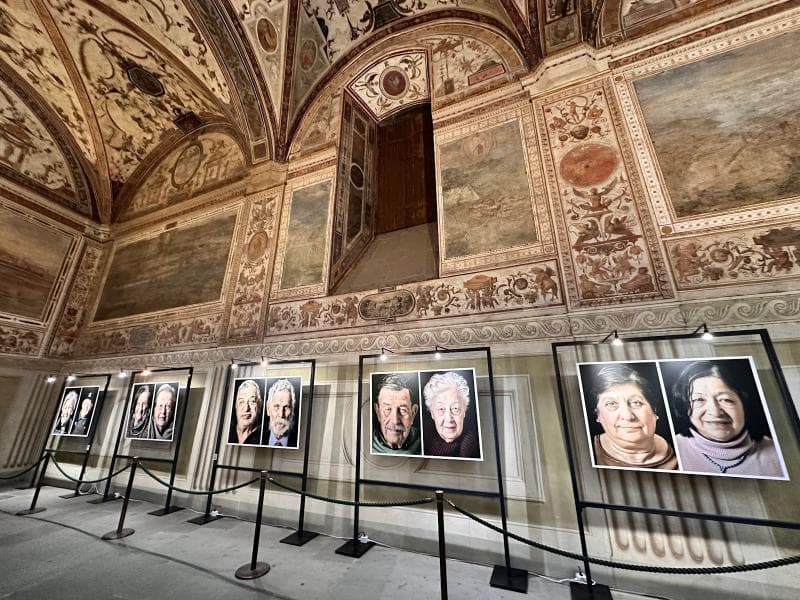
A pivotal transformation occurred in the 16th century when Cosimo I de' Medici made it his ducal residence. He commissioned Giorgio Vasari to undertake extensive renovations and elaborate decorations, giving the palace much of its current appearance. It was renamed Palazzo Ducale during this period. When the Medici family later moved across the Arno River to the grander Pitti Palace, this former residence became known as Palazzo Vecchio, meaning 'Old Palace.' Despite its changing roles, from a republican stronghold to a ducal home and even briefly the seat of Italy's first parliament after unification, Palazzo Vecchio has remained a symbol of Florentine resilience and political evolution.
What Makes It Special
Palazzo Vecchio is a treasure trove of art, architecture, and history. Its most spectacular chamber is the Salone dei Cinquecento, or Hall of the Five Hundred, a massive hall adorned with monumental frescoes by Giorgio Vasari and his team, depicting Florence's military victories. Here, one can also find Michelangelo's powerful sculpture, 'Genius of Victory.' The palace also houses the Apartments of Eleonora of Toledo and the Apartments of the Elements, offering glimpses into the opulent lives of the Medici. The intricately decorated Studiolo of Francesco I, a small, secret study designed by Vasari, is a particular highlight, once filled with scientific curiosities and alchemical instruments.
Beyond the grandeur of its interiors, the Torre di Arnolfo offers unparalleled panoramic views of Florence, a reward for those who ascend its hundreds of steps. In Piazza della Signoria, just outside the palace, stands a renowned copy of Michelangelo's David, along with other significant sculptures, transforming the square into an open-air gallery. The very foundations of the palace are extraordinary, as archaeological excavations beneath reveal the remains of the ancient Roman theater of Florentia, linking the present to the city's distant past.
Stories, Fun Facts & Local Details
Palazzo Vecchio is brimming with intriguing stories. Legend has it that the massive battle frescoes in the Salone dei Cinquecento might conceal a lost masterpiece by Leonardo da Vinci, 'The Battle of Anghiari,' with Vasari's cryptic inscription 'Cerca Trova' (Seek and you shall find) fueling centuries of speculation. Another fascinating aspect is the network of 'secret passages,' built for the Medici family to move discreetly and escape, one of which connects directly to the Uffizi Gallery and the Pitti Palace. The Studiolo of Francesco I, accessed through these hidden routes, exemplifies the Medici's fascination with the sciences and the arcane. Even the palace's names tell a story; its final name, Palazzo Vecchio, only came about when the Medici moved to a newer, grander residence, leaving behind their 'old palace.' For centuries, the bell in Arnolfo's Tower served as a crucial communicator, signaling important civic events or dangers to the citizens of Florence.
Visitor Perspective
Visiting Palazzo Vecchio is an immersive journey through Florentine history and art. As a combined city hall and museum, it remains a vibrant, living monument. While exploring, remember that some areas, particularly the Torre di Arnolfo, require a significant climb of 233 steps and have age restrictions for safety; children under six are not permitted. The main museum floors, however, are largely accessible by elevator. It's advisable to check the official website for current opening hours, as special events or institutional ceremonies can lead to partial or total closures. Allow at least two to three hours to explore the museum thoroughly, and an additional 30-45 minutes if you plan to ascend the tower to experience those breathtaking vistas. Planning your visit during weekdays often offers a less crowded experience.
Coordinates: 11.2562, 43.7693
View on Google Maps💬 How Travelers Describe This Place
Based on community votes
Must See
948Beautiful
913Photogenic
499Unique
337Interesting
94
Traveler Stories
Discover memorable experiences shared by travelers who have visited this place.
No traveler stories yet.
Be the first traveler to share what made this place memorable.
Things to see at Palazzo Vecchio



Tour
By
Spot
Discover amazing places around the world. Your journey starts here.
Explore
© 2026 TourBySpot. All rights reserved.