Palace Of Fine Arts
San Francisco, United States
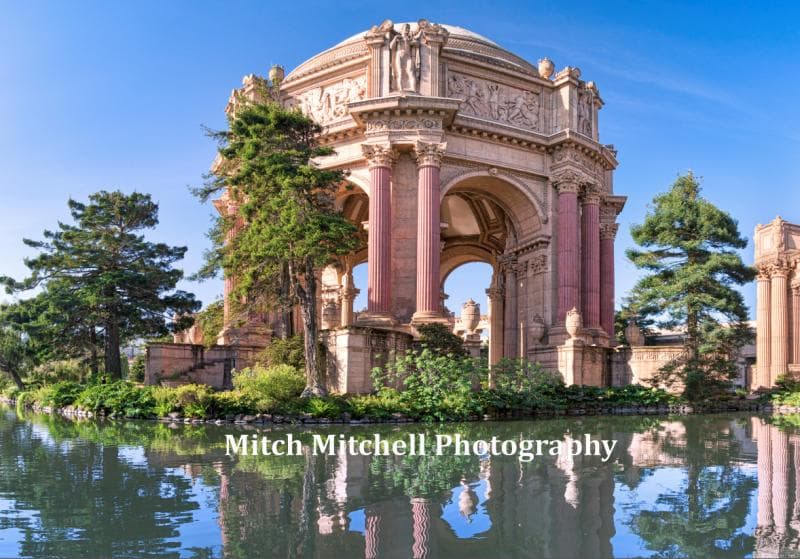
Explore the iconic Palace of Fine Arts in San Francisco, USA. Discover its rich history, stunning Beaux-Arts architecture, and serene lagoon.
Overview
Nestled in the picturesque Marina District, the Palace of Fine Arts in San Francisco, United States, stands as a breathtaking testament to architectural beauty and historical significance. Originally conceived for the 1915 Panama-Pacific International Exposition, this monumental structure was designed to evoke the serene elegance of a decaying Roman ruin, offering a tranquil escape from the bustling fairgrounds. Today, it remains an iconic landmark, enchanting visitors with its grand rotunda, colonnades, and a reflective lagoon, making it a favored spot for strolls, photography, and quiet contemplation.
The Palace of Fine Arts is one of the few structures from the 1915 exposition that survives on its original site, a tribute to its enduring charm and the community's dedication to its preservation.
History & Cultural Background
The story of the Palace of Fine Arts is deeply intertwined with San Francisco's spirit of resilience. Built just nine years after the devastating 1906 earthquake and fire, the 1915 Panama-Pacific International Exposition was a monumental event designed to celebrate the completion of the Panama Canal and to showcase the city's remarkable recovery.
Architect Bernard Maybeck was tasked with creating a structure that would house works of art and provide a 'quiet zone' for attendees. Inspired by Roman and ancient Greek architecture, particularly an etching of the remnants of the Temple of Minerva Medica in Rome, Maybeck designed what was essentially a fictional ruin from another time. His vision embraced 'the mortality of grandeur and the vanity of human wishes.' The original construction, like many buildings for world's fairs, was intended to be temporary, built with wood, plaster, and burlap fiber, materials not meant for longevity.
Though destined for demolition, the Palace captivated the public. By the 1950s, the temporary structure had significantly deteriorated. Thanks to a significant donation from philanthropist Walter S. Johnson, the Palace was completely rebuilt in permanent, lightweight concrete and steel between 1964 and 1974, ensuring its survival for future generations.
What Makes It Special
What truly sets the Palace of Fine Arts apart is its unique blend of classical architectural grandeur and its deliberately melancholic aesthetic. The structure is a stunning example of Beaux-Arts architecture, characterized by its neoclassical elements and decorative flourishes.
Its most prominent features include a towering, open rotunda, standing 162 feet high, flanked by elegant colonnades of Corinthian columns. These columns, along with intricate sculptures and arches, contribute to its Greco-Roman style. A large artificial lagoon encircles part of the structure, providing a mirror-like surface that beautifully reflects the grand buildings and creates a serene, undisturbed vista for appreciation. This tranquil setting and dramatic architecture make it an unparalleled backdrop, earning it a place on the U.S. National Register of Historic Places and as a San Francisco Designated Landmark.
Stories, Fun Facts & Local Details
The Palace of Fine Arts holds a wealth of fascinating stories beyond its architectural splendor. Initially, the exhibition hall had a variety of surprising uses after the exposition concluded. From 1934 to 1942, it housed eighteen lighted tennis courts. During World War II, the military requisitioned it for storing trucks and jeeps, and later it served as a motor pool for limousines used by world statesmen when the United Nations was created in San Francisco. It also functioned as a city Park Department warehouse, a telephone book distribution center, and even a temporary Fire Department headquarters.
Another poignant detail lies in the weeping female figures atop the colonnades, known as 'mourning women.' These sculptures, with their faces turned away, symbolize 'the melancholy of life without art,' adding an emotional layer to Maybeck's design. The Palace also previously hosted the Exploratorium, a renowned interactive science museum, from 1969 until its relocation in 2013.
Visitor Perspective
For any traveler to San Francisco, visiting the Palace of Fine Arts is a truly enriching experience. It offers a peaceful retreat from the urban bustle, with free admission to explore its grounds. Visitors can enjoy leisurely strolls along the lagoon, have a picnic on the expansive lawns, or simply sit and admire the stunning architecture. Its dramatic appearance makes it incredibly popular for photography, from professional shoots to casual selfies.
The Palace of Fine Arts Theatre, located within the complex, hosts a variety of cultural events, including concerts, plays, and other live performances. Located at 3301 Lyon Street in the Marina District, it's easily accessible and provides a unique blend of history, art, and natural beauty, making it a must-see for anyone exploring the city.
Coordinates: -122.44833, 37.80278
View on Google Maps💬 How Travelers Describe This Place
Based on community votes
Beautiful
836Unique
797Photogenic
396Interesting
286Must See
255
Traveler Stories
Discover memorable experiences shared by travelers who have visited this place.
No traveler stories yet.
Be the first traveler to share what made this place memorable.
Things to see at Palace Of Fine Arts



Tour
By
Spot
Discover amazing places around the world. Your journey starts here.
Explore
© 2026 TourBySpot. All rights reserved.