Exhibition Hall
San Francisco, United States
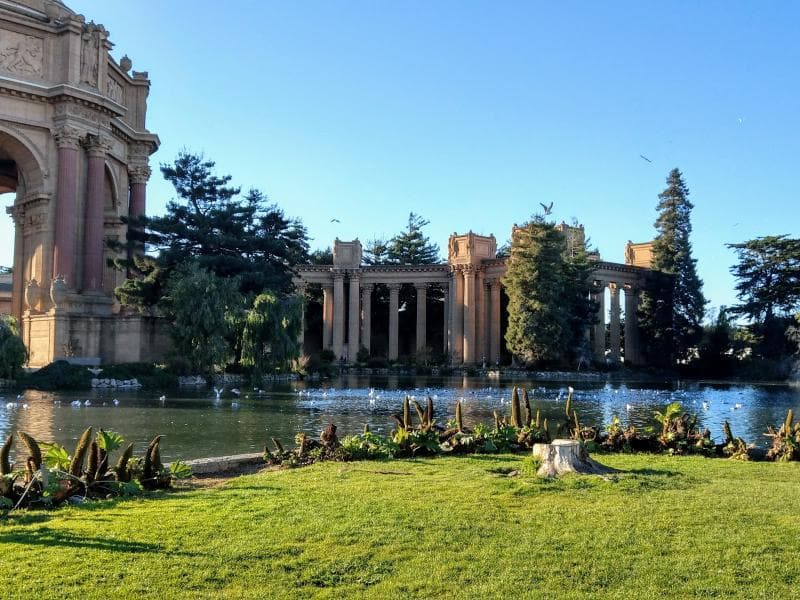
Explore San Francisco's Palace of Fine Arts Exhibition Hall, a historic Beaux-Arts marvel from 1915, now a versatile event venue. Discover its rich past and architectural beauty.
Overview
The Exhibition Hall, nestled within the iconic Palace of Fine Arts in San Francisco, United States, stands as a testament to history, architectural grandeur, and enduring cultural significance. Originally conceived for the 1915 Panama-Pacific International Exposition, this magnificent structure was designed not only to house exquisite works of art but also to offer visitors a tranquil retreat from the bustling fairgrounds. Today, while the surrounding grounds with their classical rotunda and serene lagoon remain a beloved public park, the Exhibition Hall itself has evolved into a dynamic, versatile venue. It welcomes a diverse array of events, from large-scale corporate gatherings and trade shows to elegant galas and captivating performances, continuing its legacy as a center for community and culture in the heart of the Marina District.
History & Cultural Background
The story of the Exhibition Hall begins with a city's resilience and vision. Following the devastating 1906 earthquake and fire, San Francisco sought to showcase its recovery and celebrate the completion of the Panama Canal by hosting the Panama-Pacific International Exposition in 1915. Architect Bernard Maybeck was entrusted with designing the Palace of Fine Arts, including its substantial Exhibition Hall. Maybeck drew inspiration from Roman and Ancient Greek architecture, intending to evoke the 'mortality of grandeur and the vanity of human wishes' through a design reminiscent of a decaying Roman ruin. The Palace was initially built as a temporary structure, like most buildings of the Exposition, primarily using wood and plaster. However, its profound beauty and the public's deep affection for it led to a preservation movement, saving it from demolition.
Over the decades, the Exhibition Hall saw a surprising array of transformations. From 1934 to 1942, it served as an unusual setting for eighteen lighted tennis courts. During World War II, its vast space was repurposed by the military for storing trucks and jeeps. Post-war, it continued its chameleon-like existence, functioning as a city Park Department warehouse, a telephone book distribution center, and even temporary Fire Department headquarters. From 1969 until 2013, the hall housed the innovative Exploratorium, an interactive science museum that garnered international acclaim. The original Palace structure underwent a complete rebuilding between 1964 and 1974, meticulously recreated with more durable materials like lightweight concrete and steel framing, ensuring its longevity while preserving Maybeck's original vision.
What Makes It Special
The Exhibition Hall's enduring appeal lies in its harmonious blend of historical grandeur and modern adaptability. As the only structure from the 1915 Panama-Pacific International Exposition still standing on its original site, it holds a unique place in San Francisco's architectural and cultural landscape. Its Beaux-Arts style, with the distinctive open rotunda, graceful colonnades, and the reflective lagoon, creates a breathtaking backdrop that transports visitors to another era. The sheer scale of the interior, boasting 140,000 square feet of versatile space with high ceilings and multiple breakout rooms, makes it an unparalleled venue for large events. This ability to host everything from grand trade shows to intimate performances while retaining its artistic integrity is truly remarkable. The surrounding grounds, with their picturesque views and serene atmosphere, make it a favorite spot for locals and tourists alike to relax, picnic, or simply admire the architectural marvel.
Stories, Fun Facts & Local Details
Bernard Maybeck's inspiration for the Palace was deeply symbolic. He reportedly drew from Arnold Böcklin's Symbolist painting 'Isle of the Dead' and Piranesi's etchings of Roman ruins, aiming to create a sense of melancholy beauty. The famous 'weeping women' sculptures atop the colonnades were indeed intended to evoke a sense of contemplation and quiet sadness amidst the fair's excitement. A fascinating detail is that while Maybeck was designing this classical structure, the art world was beginning to embrace modern art, showcasing the diverse artistic currents of the early 20th century.
The Palace of Fine Arts, including its Exhibition Hall, has made numerous appearances in popular culture, featuring in films and television productions, solidifying its status as a visual icon of San Francisco. The meticulous reconstruction in the 1960s was a massive undertaking, ensuring that this beloved landmark would stand for generations to come, far surpassing its intended temporary lifespan. Local San Franciscans often refer to the entire complex simply as 'the Palace', highlighting its singular importance and familiarity within the city. It remains a site where the past gracefully intertwines with the present, offering both reflection and vibrant activity.
Visitor Perspective
Visiting the Exhibition Hall and the surrounding Palace of Fine Arts offers a unique and memorable experience. While the grounds are free and open to the public, providing an ideal setting for leisurely strolls, photography, and picnics by the lagoon, access to the interior Exhibition Hall often depends on scheduled events. Travelers interested in exploring the interior should check the official Palace of Fine Arts website or event listings for upcoming performances, trade shows, or other public events that grant access. The ambiance changes dramatically from the peaceful daytime park to a lively hub during evening events, offering different facets of its character. Whether attending a grand convention or simply enjoying the architectural splendor from outside, visitors are encouraged to take their time to appreciate Maybeck's vision, the intricate details of the Greco-Roman design, and the serene beauty of the surrounding landscape. The Palace stands as a proud symbol of San Francisco's enduring spirit and cultural richness.
Coordinates: -122.44833, 37.80278
View on Google Maps💬 How Travelers Describe This Place
Based on community votes
Interesting
872Unique
846Photogenic
684Must See
121Beautiful
87
Traveler Stories
Discover memorable experiences shared by travelers who have visited this place.
No traveler stories yet.
Be the first traveler to share what made this place memorable.

Tour
By
Spot
Discover amazing places around the world. Your journey starts here.
Explore
© 2026 TourBySpot. All rights reserved.