Lagoon
San Francisco, United States
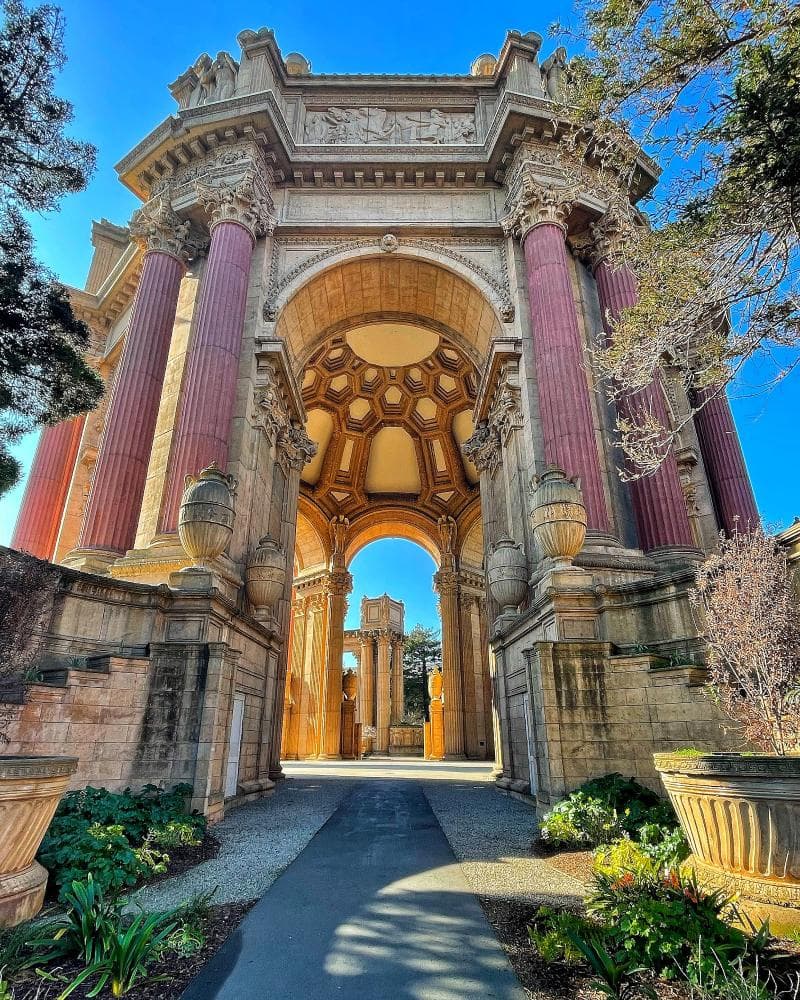
Discover the tranquil Lagoon at the Palace of Fine Arts, San Francisco, United States. Explore its history, unique design, and serene beauty for an unforgettable visit.
Overview
The Lagoon at the Palace of Fine Arts in San Francisco, United States, offers a tranquil and picturesque escape within the vibrant Marina District. This man-made body of water serves as a stunning reflective mirror for the grand Beaux-Arts architecture of the Palace of Fine Arts, amplifying its beauty and creating a serene atmosphere. Originally conceived as a 'quiet zone' for visitors during the 1915 Panama-Pacific International Exposition, the Lagoon continues to draw locals and travelers alike, inviting contemplation and providing an idyllic backdrop for photography and leisurely strolls. Its calm waters are often home to graceful waterfowl, adding to the peaceful charm of this iconic landmark.
History & Cultural Background
The Lagoon's origins are deeply intertwined with the 1915 Panama-Pacific International Exposition, a world's fair held to celebrate the completion of the Panama Canal and San Francisco's remarkable recovery from the devastating 1906 earthquake and fire. Architect Bernard Maybeck designed the Palace of Fine Arts and its accompanying Lagoon as a temporary structure, intended to evoke the melancholic beauty of a decaying Roman ruin. His inspiration drew from classical Roman and Greek architecture, as well as 18th-century etchings by Giovanni Battista Piranesi and Arnold Böcklin's Symbolist painting 'Isle of the Dead'. The expansive water of the Lagoon was central to Maybeck's vision, providing a mirror surface to reflect the impressive 162-foot rotunda, the 1,100-foot pergola, and the curved colonnades, creating an illusion of depth and grandeur. This reflective quality was integral to the intended experience, offering a peaceful contrast to the bustling fairgrounds.
Remarkably, the Lagoon itself holds an older environmental story. Before the Exposition, this area was part of a tidal wetland or slough, naturally flushed by saltwater from San Francisco Bay and freshwater from local springs and creeks. During the Exposition's construction, this marshland was reshaped into the freshwater lake we see today. Though initially designed to be temporary, the Palace and its Lagoon were so beloved that efforts were made to preserve them. The original structures, made of staff (a plaster-fiber mixture) over a wood framework, began to deteriorate. From 1964 to 1974, the Palace, including its Lagoon, underwent a complete reconstruction using permanent concrete materials, ensuring its longevity.
What Makes It Special
What truly sets the Lagoon apart is its extraordinary ability to transform the architectural grandeur of the Palace of Fine Arts. The still waters act as a magnificent natural mirror, perfectly reflecting the stately rotunda, the elegant colonnades, and the serene sky above. This creates breathtaking vistas and photographic opportunities, especially during sunrise or sunset. The design, intentionally evoking a 'fictional ruin', achieves a unique blend of man-made artistry and natural integration, making the entire complex feel ancient and timeless. The presence of various waterfowl, including swans and ducks, adds a living element to the tranquil scene, further enhancing its natural appeal. Pathways lined with benches invite visitors to pause and absorb the peaceful ambiance, making it a perfect spot for relaxation and quiet contemplation.
Stories, Fun Facts & Local Details
The Lagoon has been a silent witness to many moments, both grand and intimate. During the 1915 Exposition, it hosted unique nighttime events, including a Venice Carnival celebration and even a floating bandshell for musical performances. A touching detail of the Palace's original design involved sculptures of 'weeping maidens' atop the colonnades, intended to appear to be mourning the temporary nature of art and life, leaning against what were meant to be trailing vines. While budget constraints altered some of these artistic intentions, the evocative melancholy of the site remains. In more recent history, the Lagoon became famous for its resident Polish mute swans, notably 'Blanche' and her partner 'Blue Boy,' who charmed visitors for years with their gentle presence. These swans are not just beautiful, but also a nod to the original exposition. The area around the Lagoon was once used for diverse purposes, from housing tennis courts during the Great Depression to storing military trucks during World War II, showcasing its adaptability within San Francisco's history.
Visitor Perspective
Visiting the Lagoon at the Palace of Fine Arts is an experience that speaks to both the senses and the soul. It is entirely free to access, making it a readily available urban oasis for everyone. Many visitors choose to stroll along its paved pathways, enjoying the scenic views and observing the waterfowl. It's a favorite location for photographers, drawn by the striking reflections and the majestic architecture. Picnicking on the surrounding grassy areas is a popular pastime, offering a relaxed way to soak in the beauty. The Lagoon's proximity to the main rotunda and colonnades means that a visit offers a seamless blend of natural beauty and architectural wonder. It's a perfect spot to find a moment of peace, reflect, and appreciate the enduring artistry and resilience of San Francisco.
Coordinates: -122.44833, 37.80278
View on Google Maps💬 How Travelers Describe This Place
Based on community votes
Photogenic
886Unique
443Beautiful
310Must See
277Interesting
233
Traveler Stories
Discover memorable experiences shared by travelers who have visited this place.
No traveler stories yet.
Be the first traveler to share what made this place memorable.

Tour
By
Spot
Discover amazing places around the world. Your journey starts here.
Explore
© 2026 TourBySpot. All rights reserved.