Old Tbilisi
Tbilisi, Georgia
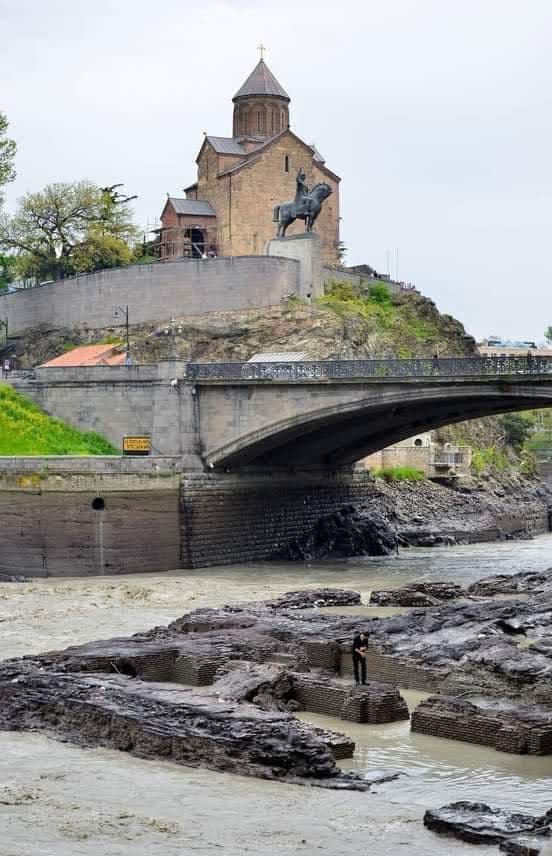
Discover Old Tbilisi, the historic heart of Georgia's capital. Explore ancient streets, sulfur baths, Narikala Fortress, and unique architecture.
Overview
Old Tbilisi, known locally as Dzveli Tbilisi, is the vibrant historic heart of Georgia's capital city. Nestled along the banks of the Mtkvari (Kura) River, this enchanting district captivates visitors with its unique blend of medieval, neoclassical, and oriental architectural styles. It is recognized for its narrow, winding cobblestone streets, charming wooden houses adorned with intricately carved balconies, and a palpable sense of history that permeates every corner. Old Tbilisi serves as the primary center of tourist attraction, drawing travelers into a timeless world where ancient traditions meet lively contemporary culture.
History & Cultural Background
The history of Tbilisi, and particularly its old town, dates back to at least the 5th century AD. Legend attributes the city's founding to King Vakhtang I Gorgasali of Iberia, who, in the mid-5th century, decided to build a city here after discovering warm sulfur springs during a hunting trip. The name 'Tbilisi' itself is derived from the Old Georgian word 'tbili,' meaning 'warm,' a direct reference to these natural hot springs.
Since its establishment, Tbilisi has served as a crucial cultural, political, and economic hub for the Caucasus region, frequently changing hands between various empires including Persian, Ottoman, and Russian influences. This rich and often turbulent past is vividly reflected in the district's eclectic architecture. Old Tbilisi was an official administrative district until 2013, but locals and visitors alike continue to refer to the historical neighborhoods collectively as 'Old Tbilisi.'
What Makes It Special
Old Tbilisi is distinguished by its atmospheric sulfur baths in the Abanotubani district, which have been continuously operating for centuries and are central to the city's founding myth. These iconic domed bathhouses offer a unique cultural experience.
Dominating the skyline is the ancient Narikala Fortress, a citadel dating back to the 4th century, offering breathtaking panoramic views of the city and the river below. The district is also remarkable for its religious diversity; it is common to find Georgian Orthodox churches, Armenian churches, a mosque, and even a synagogue coexisting peacefully within a short distance, sometimes even on the same street. The intricate, colorful wooden balconies are a signature architectural element, telling stories of a bygone era.
Stories, Fun Facts & Local Details
The very name Tbilisi, as mentioned, comes from the 'warm' sulfur springs that dot the Abanotubani area, believed to have inspired King Vakhtang Gorgasali to establish his capital here. One can almost feel the legend come alive while strolling through this historic quarter.
Shardeni Street, once a bustling trading area, is now renowned for its vibrant nightlife, open-air cafes, restaurants, and galleries, offering a modern contrast to the ancient surroundings. Another intriguing detail is the Rezo Gabriadze Puppet Theatre's clock tower, where mechanical figures emerge on the hour, delighting passersby. Visitors might also encounter the 'Tamada' statue, a representation of the traditional Georgian toastmaster, an essential figure in local feasting culture.
Visitor Perspective
Exploring Old Tbilisi is best done on foot, allowing travelers to truly immerse themselves in its maze-like streets and discover hidden courtyards, artisan shops, and vibrant street art. The experience is one of constant discovery, with new architectural wonders and historical insights around every corner. From the ancient fortifications of Narikala offering spectacular vistas, especially at sunset, to the lively atmosphere of its squares and the warmth of its residents, Old Tbilisi leaves a lasting impression. It's a place where history is not just preserved but lived, making it an essential and unforgettable destination in Georgia.
Coordinates: 44.8038, 41.689
View on Google Maps💬 How Travelers Describe This Place
Based on community votes
Unique
971Beautiful
594Must See
301Photogenic
149Interesting
141
Traveler Stories
Discover memorable experiences shared by travelers who have visited this place.
No traveler stories yet.
Be the first traveler to share what made this place memorable.
Things to see at Old Tbilisi



Tour
By
Spot
Discover amazing places around the world. Your journey starts here.
Explore
© 2026 TourBySpot. All rights reserved.