Anchiskhati Basilica
Tbilisi, Georgia
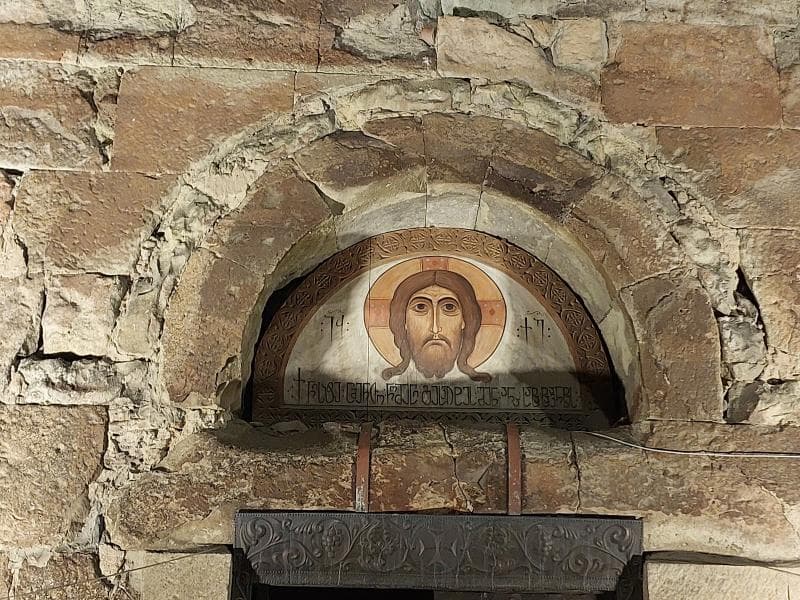
Explore Anchiskhati Basilica, Tbilisi, Georgia's oldest church from the 6th century. Discover its rich history, unique architecture, and spiritual legacy.
Overview
Nestled within the labyrinthine streets of Old Tbilisi, in the vibrant capital of Georgia, stands the Anchiskhati Basilica, a profound testament to the nation's enduring faith and rich history. As the oldest surviving church in Tbilisi, its weathered stone walls hold nearly 1,500 years of stories, making it an essential pilgrimage for anyone seeking to connect with the city's ancient soul. This venerable basilica, with its unassuming facade, offers a serene escape from the bustling modern world, providing a rare glimpse into Georgia's earliest Christian roots.
The Anchiskhati Basilica, originally known as the Basilica of the Mother of God, is not merely an architectural marvel but a living, breathing piece of Georgian heritage, continuously serving as a place of worship since its construction in the 6th century. Its significance extends beyond its age; it embodies the resilience and spiritual depth of the Georgian people, having witnessed countless invasions, rebuilds, and transformations while retaining its sacred purpose.
History & Cultural Background
The story of Anchiskhati Basilica begins in the early 6th century, specifically between 522 and 534 AD. It was commissioned by King Dachi of Iberia, the son and successor of King Vakhtang Gorgasali, who founded Tbilisi and designated it as his capital.
Originally dedicated to the Virgin Mary, the basilica acquired its current, more distinctive name, Anchiskhati, in the 17th century. This renaming occurred when a revered icon of the Savior, known as the Anchi icon, was moved to Tbilisi from the Anchi Monastery in southern Georgia (then under Ottoman control) for safekeeping. 'Anchiskhati' literally translates to 'the icon from Anchi,' forever linking the church to this treasured relic.
Throughout the late Middle Ages, the basilica evolved into a pivotal center for religious and cultural life. It famously housed a theological seminary and a national school, where Georgian princes and nobles received their education, highlighting its role beyond a mere place of worship. Even during periods of Arab rule, when bell-ringing was often prohibited, Anchiskhati was an exception, earning it the affectionate moniker 'the Cathedral of the Bells.'
What Makes It Special
What truly sets Anchiskhati Basilica apart is its extraordinary survival and its architectural purity. It stands as Tbilisi's oldest church, preserving a distinct three-nave basilica plan, a style adapted from Byzantine models, which predates the domed churches that later became characteristic of Georgian religious architecture.
The original 6th-century structure was meticulously built from cut tuff stone blocks, some of which are still visible in the lower sections of its walls today. While it underwent significant rebuilding in the 17th century, incorporating brick in its upper portions and adding a bell tower in 1675, the basilica remarkably retains elements of its initial design, such as the apse, entrance arch, and a uniquely sloped altar window. This blend of original 6th-century elements with later medieval additions tells a compelling story of continuous adaptation and preservation.
Unlike the more grandiose cathedrals, Anchiskhati's beauty lies in its understated elegance and historical authenticity. It has maintained continuous use as a place of worship for a millennium and a half, allowing visitors to experience a sacred space that has remained largely unchanged in its purpose.
Stories, Fun Facts & Local Details
The iconic Anchi icon, which gave the basilica its current name, was a masterpiece crafted by the renowned 12th-century goldsmith Beka Opizari. While a replica now resides in the church, the original, a celebrated example of Georgian embossing, is carefully preserved and displayed at the Georgian National Museum.
Another captivating detail is the basilica's resilience during periods of foreign domination. Its unique privilege of tolling its bells during Arab rule, a time when such displays of Christian faith were often suppressed, underscores its deep cultural and spiritual significance to the Georgian people. This historical anecdote earned it the memorable nickname, 'the Cathedral of the Bells'.
Beyond its historical artifacts, Anchiskhati is also intimately connected with Georgian polyphonic singing, a UNESCO Intangible Cultural Heritage. The church is home to the renowned Anchiskhati Choir, one of the oldest active choirs in the country. Attending a service, especially on a Sunday or a feast day, offers a truly authentic cultural experience, where the soul-stirring harmonies of polyphonic chants resonate through the ancient stone walls, echoing centuries of tradition.
Visitor Perspective
Visiting Anchiskhati Basilica is an immersive journey into Tbilisi's past. Located on Shavteli Street in the heart of Old Tbilisi, it's easily accessible and often integrated into walking tours of the historic district. The church maintains its status as an active place of worship, providing a peaceful, contemplative atmosphere.
Upon entering, you'll find an intimate interior, where natural light filters sparingly through small windows, illuminating fragments of frescoes from the 17th and 19th centuries and a modest wooden iconostasis. The scent of beeswax and incense often hangs in the air, adding to the spiritual ambiance.
For visitors, modest dress is expected, with women often asked to cover their shoulders and heads; scarves are usually available at the entrance. The church is generally open daily from 9:00 AM to 7:00 PM, and admission is free. Weekday mornings offer the quietest experience, while Sunday mornings provide the opportunity to witness a liturgy with local worshippers and the famous polyphonic choir. Nearby attractions include the whimsical Gabriadze Puppet Theatre, Sioni Cathedral, and the bustling Shardeni Street.
Coordinates: 44.80694, 41.69556
View on Google Maps💬 How Travelers Describe This Place
Based on community votes
Interesting
963Beautiful
897Photogenic
723Must See
481Unique
463
Traveler Stories
Discover memorable experiences shared by travelers who have visited this place.
No traveler stories yet.
Be the first traveler to share what made this place memorable.

Tour
By
Spot
Discover amazing places around the world. Your journey starts here.
Explore
© 2026 TourBySpot. All rights reserved.