Wine Bars
Tbilisi, Georgia
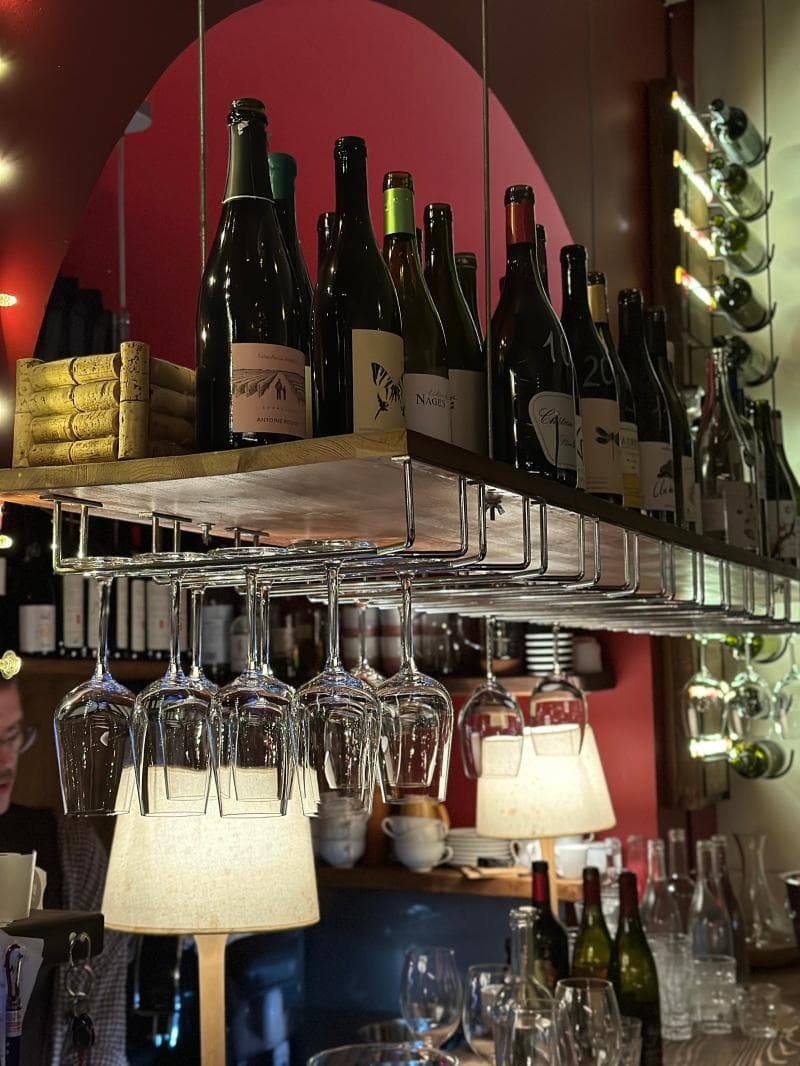
Discover the unique wine bars of Old Tbilisi, Georgia. Explore ancient Qvevri traditions, natural amber wines, and indigenous grape varietals in historic settings.
Overview
Stepping into the wine bars of Old Tbilisi is like uncorking centuries of tradition and passion. Nestled within the labyrinthine streets of Georgia's historic capital, these establishments offer a captivating journey into the heart of one of the world's oldest winemaking cultures. Far from conventional, the wine scene here is deeply rooted in ancient methods and a profound respect for natural processes. Visitors can expect an intimate atmosphere, often housed in beautifully preserved historic buildings or atmospheric cellars, where the focus is firmly on authentic Georgian wines, particularly those crafted using the unique Qvevri method. These bars serve as cultural hubs, inviting curious travelers to savor the distinct flavors of indigenous grape varietals and learn about the stories behind each bottle. Whether seeking a casual glass or an in-depth tasting experience, Old Tbilisi's wine bars provide a memorable and genuinely local encounter with Georgia's liquid heritage.
History & Cultural Background
Georgia boasts an unparalleled winemaking history, stretching back an astonishing 8,000 years, earning it the moniker 'cradle of wine'. Archaeological evidence, including ancient clay vessels found near Tbilisi, confirms that wine production dates back to 6000 BCE. The cornerstone of this enduring tradition is the Qvevri, large, egg-shaped earthenware vessels, often lined with beeswax and buried underground for fermentation, maturation, and storage. This ancient technique allows for natural temperature regulation and extended skin contact, particularly for white grapes, resulting in the distinctive amber wines for which Georgia is renowned. The Qvevri winemaking method is so integral to Georgian identity that UNESCO recognized it as an Intangible Cultural Heritage of Humanity in 2013. Wine is not merely a beverage in Georgia; it is woven into the very fabric of its culture, symbolizing hospitality, spirituality, and national pride. It plays a central role in the traditional Georgian feast, known as 'Supra', reflecting its deep societal significance.
What Makes It Special
The wine bars of Old Tbilisi stand apart due to their unwavering commitment to Georgia's indigenous winemaking practices. What truly makes them special is their championing of natural wines and the ancient Qvevri tradition. Unlike much of the world's wine production, many Georgian wines, especially those featured in Old Tbilisi's bars, undergo minimal intervention, allowing the true character of the grapes and terroir to shine through. This often means enjoying 'amber wines' – white wines that acquire their rich color and tannic structure from prolonged contact with grape skins during Qvevri fermentation. These unique profiles are delivered by over 500 indigenous grape varietals, such as Saperavi (a rich red), Rkatsiteli (a crisp white), Kisi, Mtsvane, Chinuri, and the rare Imeretian Dzelshavi. Many wine bars, like Vino Underground, were pioneers in establishing Tbilisi's natural wine scene. Establishments like 'g. Vino' offer thoughtful pairings with small, tapas-style Georgian plates, enhancing the tasting experience. The expertise of sommeliers, who often hand-pick wines from small family-run wineries, ensures a constantly evolving and high-quality selection, providing a genuine taste of Georgia's diverse wine landscape.
Stories, Fun Facts & Local Details
The connection between Georgia and wine is so profound that, historically, some arrivals at Tbilisi airport were even greeted with a complimentary bottle of Georgian wine, complete with facts about the country's heritage on the label. This symbolizes wine's role as a national emblem and a gesture of welcoming hospitality. In Old Tbilisi, you might discover bars like Vino Underground, co-founded by prominent winemakers including John Wurdeman of Pheasant's Tears, which boasts a selection of around 350 different natural Georgian wines, some from small producers not available elsewhere. Another example is Nino Meris Wine Selection, a cozy spot in Old Town founded during the pandemic by a winemaker passionate about boutique Georgian wines. Many bars are situated in atmospheric underground cellars, adding to the mystique and providing a tangible link to Georgia's ancient winemaking heritage, as Qvevri were traditionally buried underground. The ambiance often reflects traditional Georgian design, with elements like whitewashed brick and weaving patterns, creating a feeling of being in a beautifully curated local home. It's common to find wine education integrated into the experience, with knowledgeable staff eager to share the nuances of Georgian varietals and the Qvevri process, bridging millennia of tradition with modern appreciation.
Visitor Perspective
For a curious traveler, exploring the wine bars of Old Tbilisi is an immersive cultural experience rather than just a drinking outing. To truly appreciate the depth of Georgian wine, consider participating in a structured tasting, many of which are offered by the wine bars themselves. These tastings often include a selection of different wines, sometimes paired with local snacks like cheese and bread. Don't be surprised by the distinctive flavors and textures, especially of the amber wines, which offer a unique profile compared to Western wines. Engaging with the sommeliers and staff is highly recommended; their passion and knowledge provide invaluable insights into the history and specific characteristics of each wine. Many establishments, such as Nino Meris Wine Selection, offer personalized recommendations, making the selection process enjoyable and educational. While Old Tbilisi has a concentration of excellent wine bars, some highly-regarded spots like 8000 Vintages also have branches accessible from the Old Town, offering an even wider selection and more formal degustations. Whether you seek a quiet afternoon sip or a lively evening, the wine bars of Old Tbilisi offer a rich, authentic taste of Georgia's soul.
Coordinates: 44.8038, 41.689
View on Google Maps💬 How Travelers Describe This Place
Based on community votes
Beautiful
997Interesting
785Photogenic
546Must See
231Unique
103
Traveler Stories
Discover memorable experiences shared by travelers who have visited this place.
No traveler stories yet.
Be the first traveler to share what made this place memorable.

Tour
By
Spot
Discover amazing places around the world. Your journey starts here.
Explore
© 2026 TourBySpot. All rights reserved.