Riverfront Paths
Tbilisi, Georgia
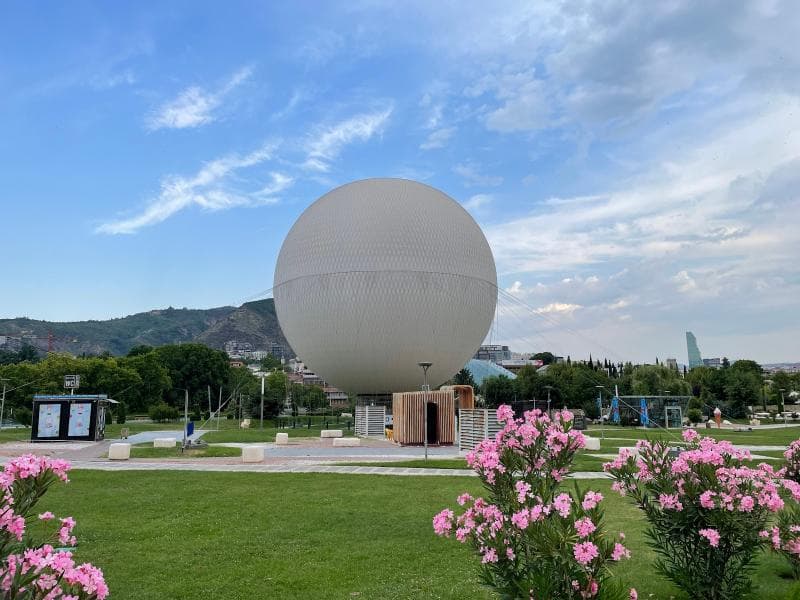
Discover Old Tbilisi's Riverfront Paths along the Mtkvari River, offering historic views, cultural insights, and picturesque strolls in Georgia's capital.
Overview
The Mtkvari River, often known internationally by its Turkic name, Kura, serves as the lifeblood of Tbilisi, Georgia. Flowing directly through the heart of the capital, it carves a path that has shaped the city's topography and soul for centuries. The Riverfront Paths in Old Tbilisi offer a unique vantage point to experience this historical connection, providing continuous, picturesque views of the city's ancient architecture and vibrant urban life along its banks. These paths invite travelers to immerse themselves in the city's past and present, offering a tranquil escape amidst the bustling historic district.
Old Tbilisi, an administrative district that historically encompasses the city's oldest neighborhoods, is intrinsically linked to the Mtkvari River. The riverfront areas, especially those around Rike Park, the Bridge of Peace, and the Metekhi cliffs, are celebrated for their iconic vistas. Here, pedestrian-friendly pathways wind along the river, allowing for leisurely strolls and an unparalleled perspective on the city's dramatic landscape. Whether viewed from the pedestrian bridges or from a leisurely boat trip, the riverfront is a central feature of the Old Tbilisi experience.
History & Cultural Background
The history of Tbilisi and its riverfront paths is inextricably tied to the Mtkvari River. For millennia, this river has been a cradle of civilization in the South Caucasus, with ancient settlements flourishing along its banks since the Bronze Age. It historically served as a vital artery for trade routes, connecting the Caucasus region with broader Eurasian networks and facilitating the exchange of goods and ideas. The river's natural defensive qualities also influenced Tbilisi's expansion and strategic importance throughout history.
The very name of Tbilisi is rooted in the region's natural warm springs, which were discovered by King Vakhtang Gorgasali in the 5th century CE. Legend has it that the king, while hunting, found a pheasant boiling in a hot spring, inspiring him to establish his new capital, 'Tbilisi,' meaning 'warm place' in Georgian. This foundational story underscores the profound connection between the city, its thermal waters, and the Mtkvari River. Over subsequent centuries, the river and its banks became a focal point for urban development, with various empires leaving their cultural imprint, all harmoniously blending into the unique Georgian identity visible today.
What Makes It Special
What sets Old Tbilisi's Riverfront Paths apart is the captivating interplay of natural beauty and human ingenuity. As you walk along the Mtkvari, you'll witness the city's incredible architectural layering. Ancient fortresses, like Narikala, appear to cling dramatically to the cliffs directly above the rushing water, creating a stunning visual spectacle. The houses in the Metekhi district are famously built into the rock face itself, a testament to medieval engineering and adaptation to the terrain.
The Mtkvari frames a panorama of diverse landmarks: historical churches, charming old streets, vibrant sulphur bathhouses, and modern architectural marvels like the Bridge of Peace. This blend offers a dynamic visual narrative of Tbilisi's evolution, where centuries-old structures coexist with contemporary design, all reflected in the river's ever-changing surface. The view from the river or its banks provides a unique perspective on the city's geography, allowing visitors to grasp the layout and the strategic importance the river held.
Stories, Fun Facts & Local Details
The Mtkvari River holds a treasure trove of stories and cultural significance. Beyond the legend of King Vakhtang Gorgasali and the pheasant, the river itself is steeped in local folklore. Its Georgian name, 'Mtkvari,' is said to mean 'good water,' while in Megrelian, it translates to 'the river that eats mountains,' hinting at its powerful and transformative nature. This dual naming reflects the river's vital, yet sometimes formidable, role in the lives of the people.
A fascinating local detail is how the river's appearance changes with the seasons. Depending on rainfall and snowmelt, the Mtkvari can shift from a deep, clear turquoise to a heavy, silty gray, a natural phenomenon well-known to locals. Throughout history, the Mtkvari has been more than just a waterway; it has been a muse for Georgian poets, writers, and artists, symbolizing the nation's enduring spirit and the ebb and flow of its rich history. For a truly unique perspective, consider a short sightseeing boat trip; these offer a different way to appreciate the riverside cityscape, floating past iconic sights like the sulphur bath district and the Bridge of Peace.
Visitor Perspective
Exploring the Riverfront Paths in Old Tbilisi is an experience designed for the curious and contemplative traveler. The well-maintained pedestrian areas invite leisurely walks, offering continuous and engaging views of the historic cityscape. It's a perfect activity for those seeking an easy-paced exploration, ideal for any fitness level. You can spend anywhere from an hour to half a day simply strolling, observing the intricate details of the traditional houses with their distinctive balconies, and soaking in the atmosphere.
Key vantage points include the areas around Rike Park and the Metekhi cliffs, which provide some of the most iconic panoramas. Many visitors find an evening stroll particularly enchanting, as the city lights illuminate the historical buildings and bridges, creating a magical ambiance. Boat tours on the Mtkvari offer a fresh perspective, allowing you to see landmarks such as Metekhi Church, the sulphur baths, and the Bridge of Peace from the water. Whether by foot or by boat, the Riverfront Paths connect you directly to the heart of Tbilisi's history and its vibrant present, making for memorable moments and excellent photographic opportunities.
Coordinates: 44.8038, 41.689
View on Google Maps💬 How Travelers Describe This Place
Based on community votes
Photogenic
963Unique
897Beautiful
481Interesting
463Must See
196
Traveler Stories
Discover memorable experiences shared by travelers who have visited this place.
No traveler stories yet.
Be the first traveler to share what made this place memorable.

Tour
By
Spot
Discover amazing places around the world. Your journey starts here.
Explore
© 2026 TourBySpot. All rights reserved.