Old Quarter
Hanoi, Vietnam
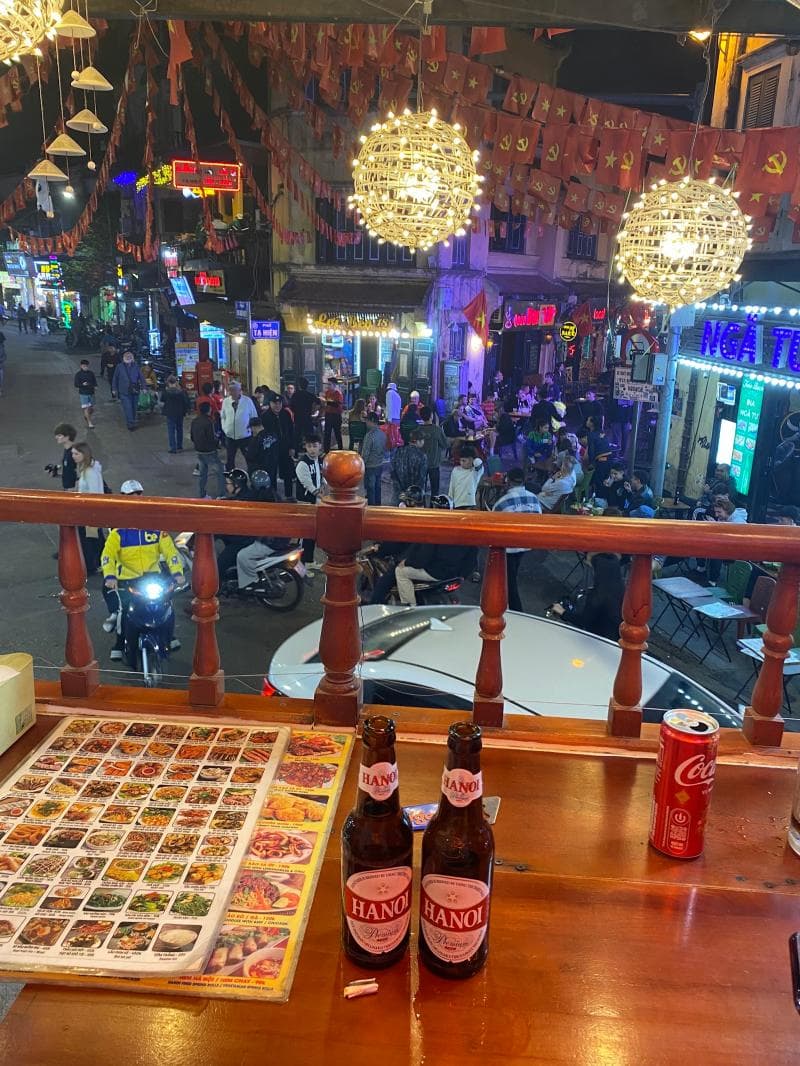
Explore Hanoi's Old Quarter, the historic heart of Vietnam's capital. Discover ancient streets, vibrant culture, and unique architecture.
Overview
Nestled in the heart of Vietnam's capital, the Old Quarter of Hanoi stands as a vibrant testament to centuries of history and culture. Often referred to as 'Hanoi 36 Streets' or 'Hà Nội 36 Phố Phường', this historic commercial district is a captivating maze of narrow streets, ancient architecture, and bustling markets. It is situated north and west of Hoan Kiem Lake, serving as the city's pulsing historical and commercial core. Stepping into the Old Quarter is like entering a living museum, where the past and present seamlessly intertwine, offering a unique sensory experience unlike any other in Hanoi.
History & Cultural Background
The history of Hanoi's Old Quarter dates back over a millennium, originating around 1010 AD when King Ly Thai To relocated the capital to Thang Long, now known as Hanoi. By the 13th century, skilled artisans from across the region began to settle here, forming guilds that specialized in distinct crafts. This development led to the formation of the renowned '36 Streets', each street historically dedicated to a particular trade or product. For instance, Hang Bac translates to 'Silver Street', once a hub for silver ingots and jewelry, while Hang Dao, or 'Silk Street', was the center for silk production and trading. The architecture within the Old Quarter showcases a rich tapestry of influences, featuring traditional Vietnamese 'tube houses' – narrow, deep structures built to minimize frontage taxes – alongside Chinese shophouses and charming French colonial villas with their distinctive pastel facades and wrought-iron balconies. The Old Quarter has remarkably preserved its character, enduring periods of Chinese domination, French colonization, and significant modernization, making it a profound repository of Vietnamese art and culture.
What Makes It Special
The enduring charm of the Hanoi Old Quarter lies in its ability to offer an authentic glimpse into traditional Vietnamese life, juxtaposed with the energy of a modern metropolis. It is a sensory overload in the best possible way, where the scent of incense from ancient temples mingles with the aroma of street food, and the sounds of daily commerce create a vibrant symphony. The architectural blend of Eastern and Western styles, with its characteristic 'tube houses' and colonial buildings, gives the area its distinctive character. Unlike many historical districts that become mere relics, the Old Quarter remains a dynamic center where traditional crafts are still practiced, though many streets have evolved to accommodate contemporary businesses. It's a place where hidden heritage can be discovered in the elaborate roofs of former guild temples or in a shop still hinting at its street's historic trade. This constant, lively evolution, coupled with its deep historical roots, creates an unparalleled atmosphere that captivates every visitor.
Stories, Fun Facts & Local Details
The famed '36 Streets' of the Old Quarter are not just a historical term but encapsulate a unique guild concept from ancient Vietnam, where artisans specializing in the same craft would gather on one street. This led to evocative street names such as Hang Ma ('Paper Offerings Street'), Hang Thiec ('Tin Street'), and Hang Mam ('Fish Sauce Street'), each telling a story of its past trade. The distinctive 'tube houses' found throughout the Old Quarter emerged partly due to an old tax system based on a property's street frontage, encouraging narrow, deep constructions. Local lore also surrounds nearby Hoan Kiem Lake, a focal point of Hanoi, with the legend of Emperor Le Thai To and a magical sword returned to a golden turtle, leading to the lake's name, 'Lake of the Restored Sword'. Beyond historical anecdotes, contemporary Old Quarter life offers fascinating details, such as the vibrant café culture, where locals and visitors alike savor traditional Vietnamese coffee. While regulated, the former 'Train Street', where a railway track runs through a narrow residential alley, is another unique example of local adaptation, though access is now restricted for safety.
Visitor Perspective
For a curious traveler, exploring Hanoi's Old Quarter is an immersive journey best undertaken on foot, or perhaps by cyclo for a more leisurely pace. The bustling streets offer an endless array of discoveries, from traditional craft shops selling silks, lacquerware, and souvenirs, to the aromatic delights of street food stalls. Sampling local delicacies like pho, bun cha, or egg coffee is an essential part of the experience, with many eateries having been in business for generations. Visitors can also delve into the spiritual side by exploring ancient temples and pagodas, such as the historic Bach Ma Temple. As day turns to night, areas like Ta Hien Street come alive, offering a vibrant nightlife. While the sheer intensity of the narrow alleyways and constant motor traffic can feel overwhelming at times, this cacophony is also what makes the Old Quarter so exciting and memorable, providing a rich, unfiltered insight into the soul of Hanoi.
Coordinates: 105.84117, 21.0245
View on Google Maps💬 How Travelers Describe This Place
Based on community votes
Beautiful
921Interesting
831Unique
232Photogenic
211Must See
147
Traveler Stories
Discover memorable experiences shared by travelers who have visited this place.
No traveler stories yet.
Be the first traveler to share what made this place memorable.
Things to see at Old Quarter



Tour
By
Spot
Discover amazing places around the world. Your journey starts here.
Explore
© 2026 TourBySpot. All rights reserved.