Hang Ma Street
Hanoi, Vietnam
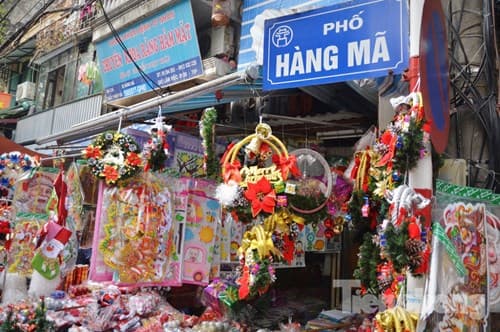
Explore Hang Ma Street in Hanoi's Old Quarter, famous for vibrant paper goods, lanterns, and festive decorations, especially during Tet and Mid-Autumn Festivals.
Overview
Hang Ma Street, nestled within Hanoi's historic Old Quarter, is a perpetually vibrant and colorful thoroughfare that has long been a focal point for traditional Vietnamese paper crafts and festive decorations. This bustling street is renowned for its lively atmosphere, especially during cultural celebrations, when its shops burst with an astonishing array of paper goods, lanterns, and ornaments. Often referred to as 'Paper Votive Street', Hang Ma offers a unique glimpse into the spiritual and celebratory traditions of Vietnam, drawing both locals preparing for holidays and curious travelers seeking an authentic cultural experience.
As one of the legendary '36 Ancient Streets' of Hanoi, Hang Ma maintains its historical guild identity through its specialized trade. While many streets in the Old Quarter have diversified their offerings over time, Hang Ma has steadfastly preserved its connection to paper products, evolving its inventory from traditional votive items to include a wider range of festive decorations and children's toys. It's a place where tradition meets everyday life, constantly showcasing the dynamic spirit of Hanoi.
History & Cultural Background
The history of Hang Ma Street stretches back centuries, predating the French colonial period. Its name, 'Hang Ma', directly translates to 'Paper Votive Street' or 'Paper Goods Street', reflecting its long-standing specialization. In earlier times, the street was part of the ancient villages of Vinh Hanh and Yen Phu within the Tho Xuong District.
During the French colonial era, Hang Ma Street, along with Hang Dong Street, was collectively known as 'Rue du Cuivre'. Families, particularly those from Tan Khai Village, settled here to establish businesses dedicated to crafting and selling votive papers for Eastern rituals and paper decorations for worship. This tradition is deeply rooted in Vietnamese culture, where offerings are made to honor ancestors and deities, reflecting a widespread belief in the 'Otherworld'.
The street's architecture also tells a story of Hanoi's past. Like many parts of the Old Quarter, Hang Ma features distinctive 'tube houses'. These narrow, deep structures arose partly due to historical tax laws that levied property taxes based on street frontage, compelling residents to build vertically and deeply rather than broadly. This unique architectural style allowed for both commercial activities at the front and living spaces for multiple generations within, integrating business and family life seamlessly.
What Makes It Special
Hang Ma Street's most captivating feature is its dramatic transformation during major Vietnamese festivals. Months before the Lunar New Year (Tet) and the Mid-Autumn Festival (Tet Trung Thu), the street bursts into a kaleidoscope of colors, adorned with thousands of paper lanterns, festive ornaments, and elaborate decorations.
The street is a treasure trove of traditional craftsmanship. Shops offer handmade paper and silk lanterns in various shapes and sizes, often depicting auspicious symbols. During Tet, red and gold decorations symbolizing luck and prosperity dominate, alongside lucky money envelopes and peach blossom ornaments. For the Mid-Autumn Festival, it becomes a wonderland of star lanterns, glowing toys, and traditional masks, appealing especially to children. This vibrant display is not merely decorative; it's a vital part of preparing for and celebrating these deeply significant cultural holidays, making Hang Ma an essential hub for Vietnamese families.
Stories, Fun Facts & Local Details
The very name 'Hang Ma' encapsulates the street's enduring legacy, signifying its historical role as the primary center for 'paper votive' or 'paper goods'. The offerings sold here have evolved over centuries. While historically focused on paper money, clothing, and traditional animal figures for the afterlife, modern votive items can sometimes include paper replicas of contemporary luxuries like cars, houses, and even electronic gadgets such as 'paper iPads', demonstrating a fascinating blend of ancient beliefs and modern desires.
During the Mid-Autumn Festival, Hang Ma is particularly enchanting. Children flock to find traditional toys like revolving lanterns, carp lanterns that transform into dragons, and lion heads used in festive dances. The vibrant red and gold hues that characterize the street during Tet are more than just colors; red signifies good fortune and happiness, while gold represents wealth and prosperity in Vietnamese culture. It's a street where every item tells a story, connecting the present generation with their ancestral customs and folklore.
Visitor Perspective
For visitors, Hang Ma Street offers an unparalleled sensory experience. The best times to witness its full splendor are in the weeks leading up to the Mid-Autumn Festival (typically September) and the Lunar New Year (January/February), when the street is at its most colorful and bustling. This period provides excellent opportunities for photography, capturing the vivid displays and lively atmosphere. Shoppers can find unique, locally made traditional decorations, toys, and crafts that are often more authentic and affordably priced than those in purely tourist-oriented areas, as the shops primarily cater to local customers.
Hang Ma is conveniently located in the northwestern part of the Old Quarter. It serves as an excellent starting point for exploring nearby attractions, including the historic Dong Xuan Market, a short walk away, and Hoan Kiem Lake. A stroll along Hang Ma is not just about shopping; it's an immersion into Hanoi's rich cultural heritage, providing genuine insights into Vietnamese traditions and daily life. The street is always accessible and free to explore, inviting curious travelers to discover its charms at any time.
Coordinates: 105.8412, 21.0245
View on Google Maps💬 How Travelers Describe This Place
Based on community votes
Unique
998Photogenic
903Interesting
481Must See
472Beautiful
92
Traveler Stories
Discover memorable experiences shared by travelers who have visited this place.
No traveler stories yet.
Be the first traveler to share what made this place memorable.

Tour
By
Spot
Discover amazing places around the world. Your journey starts here.
Explore
© 2026 TourBySpot. All rights reserved.