Bach Ma Temple
Hanoi, Vietnam
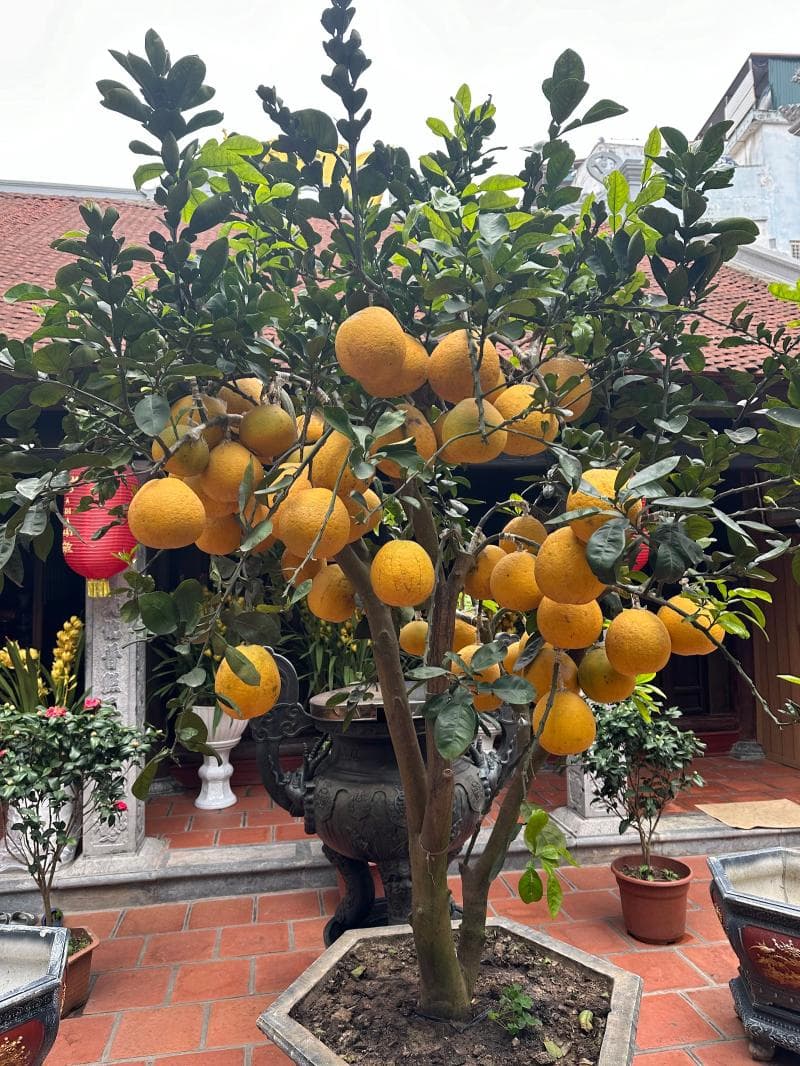
Discover Bach Ma Temple, Hanoi's oldest temple in the Old Quarter. Explore its rich history, the legend of the white horse, and cultural significance in Vietnam.
Overview
Nestled amidst the bustling labyrinth of Hanoi's Old Quarter, Bach Ma Temple stands as a profound historical and spiritual landmark in Vietnam. It is widely recognized as the oldest temple in Hanoi, a city steeped in over a thousand years of history. Bach Ma Temple is one of the revered 'Four Guarding Temples' (Thang Long Tu Tran) that historically protected the ancient capital of Thang Long (modern-day Hanoi) from malevolent forces. Specifically, it is regarded as the protector of the East.
Dedicated to Long Do, the ancient deity considered the spiritual guardian and great king of Thang Long, this temple offers a tranquil retreat from the vibrant energy of the surrounding streets. Its enduring presence serves as a testament to Hanoi's rich cultural heritage and a living chronicle of its spiritual evolution.
History & Cultural Background
The origins of Bach Ma Temple trace back to the 9th century, predating the establishment of the imperial citadel by the Ly dynasty. It was initially built to honor Long Do, a powerful deity credited with thwarting the witchcraft of Cao Bien, a Chinese mandarin who sought to impede Vietnam's development.
Its most significant historical connection lies with King Ly Thai To, the founder of the Ly dynasty, who, in 1010, decided to relocate the capital from Hoa Lu to Dai La, which he renamed Thang Long. Legend recounts that the king faced persistent challenges in constructing the citadel walls, as they would repeatedly collapse. Following prayers at the temple, a white horse appeared, guiding him by leaving hoofprints that marked the successful boundaries for the new citadel. This divine intervention led the king to rename the temple Bach Ma, meaning 'White Horse,' in gratitude and to honor the deity. The temple has since been designated a national historical relic.
What Makes It Special
Bach Ma Temple is a captivating example of traditional Vietnamese architecture, offering intricate details that tell stories of bygone eras. Visitors are greeted by stunning antique wooden doors that lead into its sacred interior. The temple's roof, adorned with glazed tiles, sometimes features golden dragon statues, adding to its majestic appearance.
Inside, one can admire beautiful red lacquer paintings, intricately carved pillars, and wooden beams. A prominent feature is the fabled bronze statue of the white horse, providing immediate visual context to the temple's foundational legend. The architectural layout itself is unique, adapted from the Chinese character 'tam' (meaning 'three'), and it features an eight-roof communal village house design, reminiscent of Hoi An's fine arts. The temple houses numerous historical artifacts, including statues, ancient steles, and royal decrees, preserving tangible links to Vietnam's past. Remarkably, its sacredness was such that it largely remained intact even during the French colonial period.
Stories, Fun Facts & Local Details
The legend of the white horse remains central to the temple's identity, symbolizing divine guidance and protection for Hanoi. This powerful narrative underscores the deep spiritual connection between the temple and the city's very foundation. During the Lunar New Year, and on the first and full moon days of each lunar month, the temple becomes a hub of activity, drawing pilgrims who come to make offerings and pray for peace and prosperity.
An interesting architectural detail is the 'Co Ngu Hanh,' a large five-colored flag representing the five elements of oriental culture: fire, earth, wood, metal, and water. Each color also signifies a cardinal direction, adding another layer of symbolic meaning to the temple's design. The annual Bach Ma Temple Festival, held on the 12th and 13th days of the second lunar month, is a vibrant community celebration featuring lion dances, traditional drumming, tug-of-war, poetry recitals, and martial arts demonstrations. This festival vividly brings the temple's rich cultural traditions to life.
Visitor Perspective
Located conveniently at 76 Hang Buom Street, right in the heart of Hanoi's Old Quarter, Bach Ma Temple is easily accessible by foot from many central Hanoi attractions. The temple operates daily, typically from 8:00 AM to 11:00 AM and again from 2:00 PM to 8:00 PM. Entry to the temple is free, making it an accessible cultural experience for all.
As an active place of worship, visitors are encouraged to dress modestly, covering their shoulders and legs, and to maintain a respectful and quiet demeanor inside the main hall. Exploring the temple offers a unique opportunity to witness local Hanoians practicing their beliefs, burning incense, and praying, providing an authentic glimpse into the spiritual life of the city.
Coordinates: 105.84117, 21.0245
View on Google Maps💬 How Travelers Describe This Place
Based on community votes
Must See
847Photogenic
712Beautiful
513Unique
482Interesting
62
Traveler Stories
Discover memorable experiences shared by travelers who have visited this place.
No traveler stories yet.
Be the first traveler to share what made this place memorable.

Tour
By
Spot
Discover amazing places around the world. Your journey starts here.
Explore
© 2026 TourBySpot. All rights reserved.