Ancient House 87 Ma May
Hanoi, Vietnam
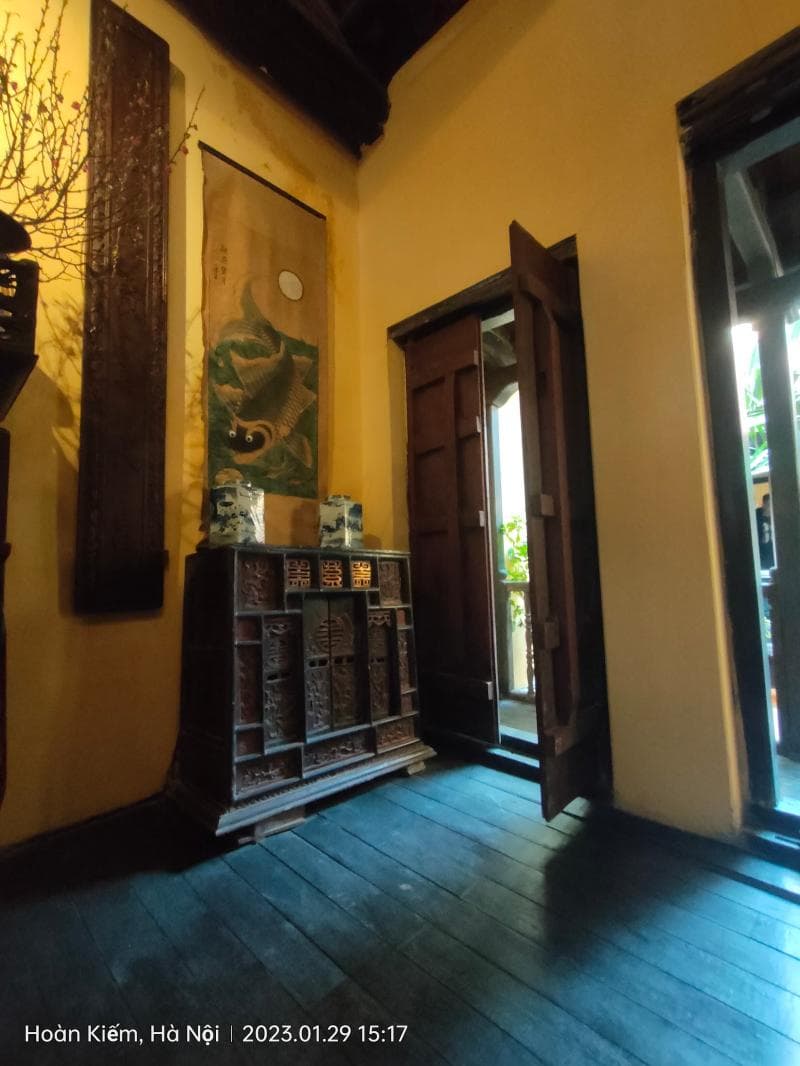
Step back in time at Ancient House 87 Ma May in Hanoi, Vietnam's Old Quarter. Explore a preserved 19th-century 'tube house' and traditional Hanoian life.
Overview
Stepping into Ancient House 87 Ma May is like taking a journey back in time, offering a tranquil escape from the vibrant bustle of Hanoi's Old Quarter. Located at 87 Ma May Street, this meticulously preserved dwelling stands as a living museum, showcasing the distinctive 'tube house' architecture and the traditional lifestyle of Hanoians from the late 19th century. It is one of the few ancient houses in the city that remains largely intact, providing visitors with an authentic glimpse into the daily lives, customs, and architectural ingenuity of a bygone era.
Today, Ancient House 87 Ma May serves not only as an architectural example but also as a cultural hub, hosting various events and exhibitions that celebrate Vietnamese heritage. Its restoration and ongoing preservation make it a significant site for understanding the historical context of Hanoi's Old Quarter.
History & Cultural Background
The house at 87 Ma May Street was constructed around the end of the 19th century, specifically in 1890. It was originally built for a wealthy merchant family, embodying the typical 'tube house' style that became prevalent in Hanoi. This unique architectural form, characterized by a narrow street frontage and a deep, elongated layout, emerged as a practical response to historical land tax policies that levied charges based on a property's street-facing width.
Over the decades, the house changed hands multiple times, serving various merchant families. Initially, it was home to rice merchants, later to traditional herbal medicine traders, and subsequently hosted other commercial activities typical of the Old Quarter. Following 1954, and until 1999, the house was divided and allocated to five different families as communal housing, leading to makeshift modifications that somewhat compromised its original architectural integrity.
A significant turning point came with a restoration project initiated in 1998, a collaborative effort between Hanoi City and Toulouse City, France. This project aimed to meticulously restore the house to its authentic 19th-century state, with work completed in 1999. In recognition of its cultural and historical value, Vietnam's Ministry of Culture, Sports and Tourism officially recognized Ancient House 87 Ma May as a national heritage site in 2004.
What Makes It Special
What truly sets Ancient House 87 Ma May apart is its exemplary preservation of the traditional 'tube house' architecture and its role as a tangible link to Hanoi's past. The house measures approximately 5 meters wide at the front, gradually widening to 6 meters at the back, and extends about 28 meters in depth, covering a total area of 157.6 square meters.
This design is not merely functional; it is ingeniously crafted to optimize space and light in a dense urban environment. The interior is structured with multiple layers of rooms separated by open courtyards. These courtyards are crucial for providing natural light, air circulation, and a serene connection to nature within the confines of the long structure.
From the delicate wooden carvings adorning the facade to the intricately designed internal spaces, every detail reflects the craftsmanship and aesthetic values of its era. Visitors can observe the distinct sections, including the front area which served as a shop, the living quarters, the ancestral worship room on the second floor, and the kitchen located at the rear, offering a comprehensive understanding of a traditional Hanoian home.
Stories, Fun Facts & Local Details
The street itself, Ma May, holds historical significance; in ancient times, it was composed of two streets: Hang May (specializing in rattan products) and Hang Ma (known as Quan Co Den under French colonial rule). The house at 87 Ma May is one of only 14 ancient houses in Hanoi from the late 19th century that have retained their original features.
During its period as a communal residence for five different families from 1954 to 1999, the house accommodated diverse professions, from grocers and civil servants to tailors and even martial arts teachers. This period, although challenging for the structure, adds another layer to its rich story, demonstrating its adaptability and the shared lives within its walls.
Today, the house continues to breathe with cultural life. It regularly organizes cultural events, art exhibitions, and showcases traditional Vietnamese handicrafts. Notably, on Friday, Saturday, and Sunday evenings, the house often hosts 'ca trù' singing sessions, a traditional Vietnamese folk art form recognized by UNESCO as intangible cultural heritage, providing a captivating local experience.
Visitor Perspective
Upon entering Ancient House 87 Ma May, travelers are often struck by the immediate sense of calm that replaces the vibrant street noise. The carefully restored interiors, complete with antique furniture, traditional artworks, and historical artifacts, create an immersive atmosphere that transports one directly into Hanoi's past.
Exploring the different rooms, from the ground-floor shop area to the upper-floor worship space and bedrooms, provides a tangible understanding of how business, family life, and spiritual traditions coexisted under one roof. The courtyards, adorned with small plants, offer peaceful spots for reflection and illustrate the integration of nature into urban living.
A visit typically takes about 20-45 minutes, allowing ample time to appreciate the architectural details and soak in the historical ambiance. It serves as an invaluable educational experience, offering insights into the ingenuity of old Hanoian architecture and the daily routines of its former inhabitants. The house is open daily, generally from morning to late afternoon, with extended hours on weekends for special cultural performances.
Coordinates: 105.852933, 21.033583
View on Google Maps💬 How Travelers Describe This Place
Based on community votes
Must See
922Unique
379Photogenic
225Beautiful
183Interesting
19
Traveler Stories
Discover memorable experiences shared by travelers who have visited this place.
No traveler stories yet.
Be the first traveler to share what made this place memorable.

Tour
By
Spot
Discover amazing places around the world. Your journey starts here.
Explore
© 2026 TourBySpot. All rights reserved.