Hang Gai Street
Hanoi, Vietnam
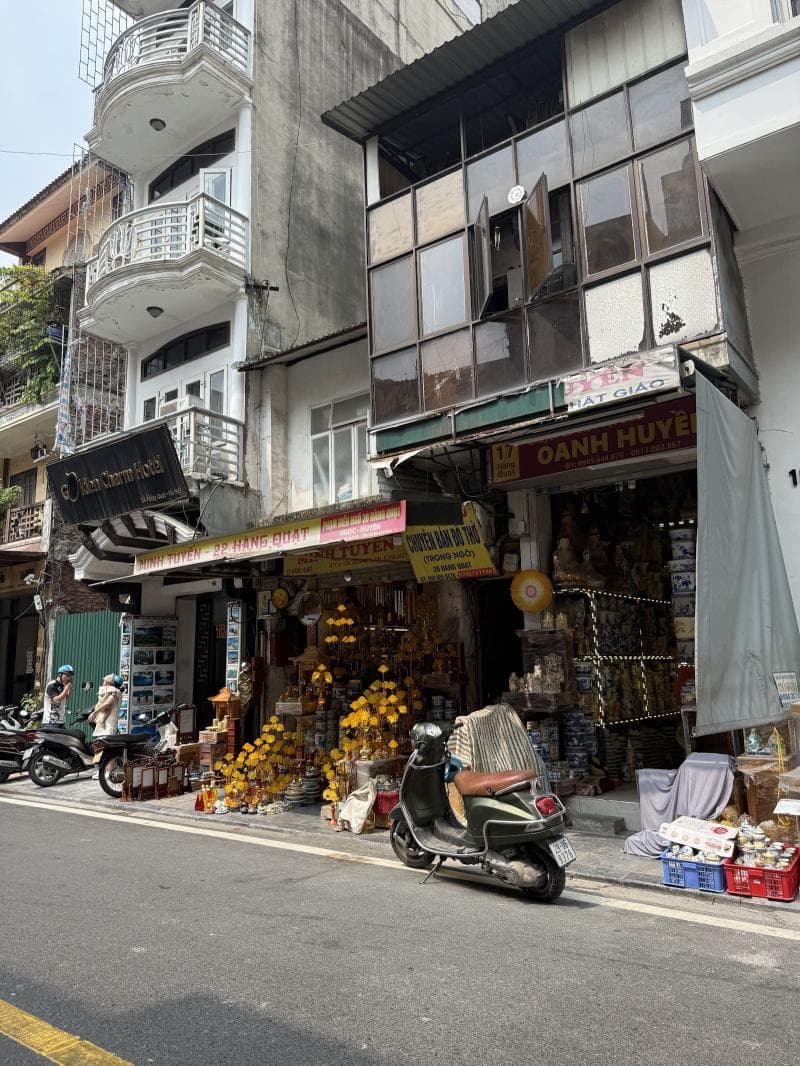
Discover Hang Gai Street, Hanoi's historic 'Silk Street' in the Old Quarter. Explore exquisite Vietnamese silk, custom tailoring, and unique souvenirs, soaking in centuries of cultural heritage.
Overview
Nestled within Hanoi's historic Old Quarter, Hang Gai Street is a vibrant testament to Vietnam's rich textile heritage. Affectionately known as 'Silk Street,' this bustling thoroughfare is a focal point for visitors seeking exquisite silk products, custom-tailored garments, and unique artisanal souvenirs. Stretching for approximately 250 to 300 meters, Hang Gai is a sensory delight, where the soft rustle of silk fabric, the whir of sewing machines, and the lively chatter of shoppers create an unforgettable atmosphere. It stands as one of the celebrated '36 Streets' of the Old Quarter, each historically dedicated to a specific trade, with Hang Gai proudly upholding its legacy as the premier destination for silk in the Vietnamese capital.
History & Cultural Background
The story of Hang Gai Street dates back centuries, rooted in the ancient traditions of the Le Dynasty (1428-1789). Its original name, 'Hang Gai,' directly translates to 'Hemp Street,' a reflection of its initial specialization in trading hemp (cây gai) products like ropes and hammocks. During this era, it played a crucial role as a commercial artery, connecting the Nhi Ha river to the Thang Long imperial citadel.
As history progressed, so did the street's primary trade. Under French colonial rule, it was known as 'Rue de Chanvre,' retaining its association with hemp. However, by the late 19th and early 20th centuries, the hemp and printing trades waned, making way for the burgeoning silk industry. Hang Gai transformed, attracting skilled artisans specializing in weaving, dyeing, and embroidery, cementing its reputation as Hanoi's go-to for silk. Today, while the specific ancient crafts may have evolved, the street remains a vibrant hub, celebrating the enduring artistry of Vietnamese textiles. Visitors can still find echoes of the past, such as the communal house at 85 Hang Gai, shaded by a century-old banyan tree, symbolizing the spiritual heritage intertwined with the street's commercial life.
Vietnamese silk itself boasts a long and revered history. Woven from natural protein fibers meticulously produced by silkworms fed on mulberry leaves, this lustrous fabric has been an integral part of Vietnamese culture for generations. Its remarkable properties—keeping wearers cool in the tropical summers and warm in cooler months—along with its elegant drape and natural sheen, have made it a cornerstone of traditional Vietnamese fashion, including the iconic Ao Dai.
What Makes It Special
What truly sets Hang Gai Street apart is its unparalleled dedication to quality and craftsmanship in silk. Unlike many modern shopping districts, the street offers a deeply authentic experience where generations-old tailoring shops and boutiques stand testament to enduring expertise. Visitors can find an extensive array of silk products, from ready-to-wear garments, scarves, and accessories to unique home furnishings.
A particular highlight is the opportunity for custom tailoring. Many establishments on Hang Gai can craft bespoke suits, dresses, or the traditional Ao Dai, often with an impressive turnaround time of 24 to 48 hours. This bespoke service allows travelers to leave with a truly personal and high-quality memento of their visit. Beyond silk, the street also hosts a variety of shops selling other traditional Vietnamese crafts, such as intricate lacquerware, handcrafted souvenirs, and vibrant art galleries, showcasing both traditional and contemporary Vietnamese art. The blend of traditional Vietnamese architecture with lingering French colonial influences creates a charming backdrop, making a stroll down Hang Gai a visually rich experience.
Stories, Fun Facts & Local Details
The name 'Hang Gai' serves as a historical marker, directly linking the street to its original trade in hemp. It's a reminder of Hanoi's Old Quarter tradition where streets were named after the goods or crafts predominantly sold there. This clustering of specialized trades was a deliberate strategy, ensuring customers knew exactly where to go for specific items, a practice that continues to shape the character of these ancient streets.
For visitors, a local custom to embrace is the art of bargaining. While prices reflect the quality of goods, a friendly negotiation is part of the shopping experience on Hang Gai, often resulting in a more favorable price. Many experienced shoppers suggest starting around 50% of the asking price and aiming to pay no more than 70%.
The street is also home to significant cultural landmarks, such as the ancient Co Vu communal house at number 85. This site, with its majestic banyan tree, is not just a historical building but a spiritual place where locals worship tutelary gods, offering a glimpse into the spiritual life of old Thang Long villages. This blend of commerce, history, and local belief adds layers of depth to the visitor's journey.
Furthermore, Hang Gai is a photographer's dream. The storefronts burst with colorful silks, intricate lanterns, and handcrafted goods. The soft morning light illuminating the faded yellow plaster of old buildings provides a picturesque setting, capturing the essence of Hanoi's charm.
Visitor Perspective
For any traveler exploring Hanoi's Old Quarter, Hang Gai Street offers a captivating dive into local culture and commerce. It's a place to linger, observe, and connect with Hanoi's artistic soul. Walking its length, visitors are immersed in a dynamic scene—motorcycles weaving through pedestrians, street vendors offering snacks, and the alluring displays of silk. The experience goes beyond mere shopping; it's an opportunity to appreciate the meticulous handiwork of Vietnamese artisans and to understand the historical significance of the city's guild streets.
Whether you're looking to commission a perfectly fitted Ao Dai, find a unique silk scarf as a souvenir, or simply soak in the vibrant street life, Hang Gai delivers. It's best experienced on foot, allowing ample time to browse the diverse shops, admire the quality of the textiles, and engage with local shopkeepers. The street's proximity to Hoan Kiem Lake also makes it a convenient and essential stop on any Hanoi itinerary, offering a tangible connection to the city's enduring traditions and its lively present.
Coordinates: 105.853881, 21.028279
View on Google Maps💬 How Travelers Describe This Place
Based on community votes
Interesting
982Must See
903Beautiful
458Photogenic
235Unique
197
Traveler Stories
Discover memorable experiences shared by travelers who have visited this place.
No traveler stories yet.
Be the first traveler to share what made this place memorable.

Tour
By
Spot
Discover amazing places around the world. Your journey starts here.
Explore
© 2026 TourBySpot. All rights reserved.