Hanoi Train Street
Hanoi, Vietnam
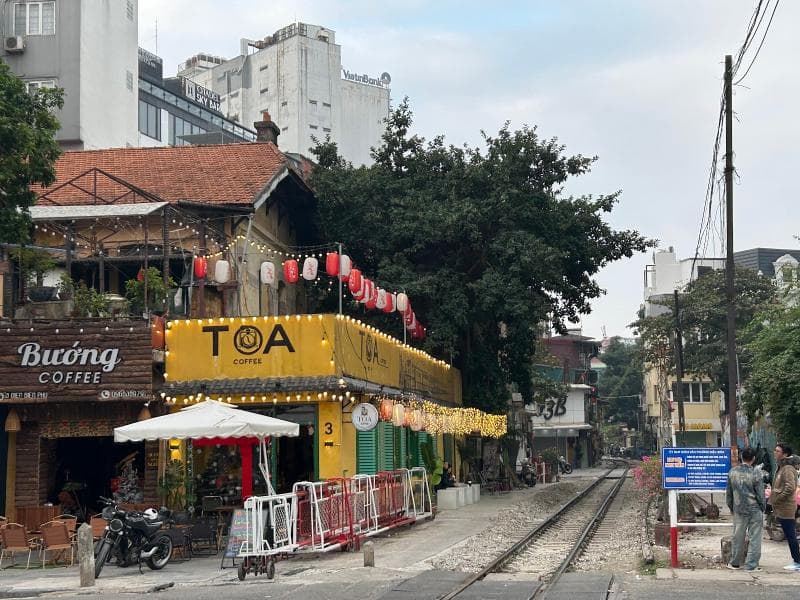
Discover Hanoi Train Street in Vietnam's Old Quarter, where daily life unfolds inches from passing trains. Experience unique culture and history.
Overview
Hanoi Train Street, nestled within the vibrant Old Quarter of Hanoi, Vietnam, presents a truly unique and captivating spectacle. It is a narrow residential alleyway where an active railway line cuts directly through a densely populated neighborhood. This extraordinary setting draws visitors from across the globe, eager to witness trains passing mere inches from the doorsteps of homes and the quaint trackside cafes. The street's charm lies in this dramatic juxtaposition of everyday life with the powerful rumble of passing locomotives, creating an unforgettable urban experience.
History & Cultural Background
The story of Hanoi Train Street dates back to 1902 when French colonizers constructed the railway tracks to connect Hanoi with other regions of Vietnam. Initially, the railway ran through more open areas, but as Hanoi expanded over the decades, local families built their homes and businesses right alongside the tracks. For generations, residents have adapted their lives to this unusual proximity, turning the railway into an integral part of their community. It became a prominent tourist attraction around 2017, largely propelled by captivating images shared on social media, showcasing the raw authenticity of life lived on the rails.
What Makes It Special
What sets Hanoi Train Street apart is the incredible intimacy with which visitors can observe the trains. Unlike conventional railway lines, here, there are no barriers separating the tracks from the homes and businesses. Multiple times a day, the tranquil scene transforms into a hive of activity as residents swiftly clear their belongings – chairs, tables, and household items – from the tracks to make way for the approaching train. The sheer thrill of a train rumbling past just feet away, its immense presence creating a gust of wind, is an exhilarating experience that defies typical urban encounters. Beyond the trains, the street itself is adorned with vibrant lanterns, colorful signs, and lush foliage, adding to its photogenic charm.
Stories, Fun Facts & Local Details
Beyond the scheduled train passages, Hanoi Train Street offers a fascinating glimpse into local life. When the tracks are clear, the railway corridor transforms into a shared community space. Children play games, neighbors gather to chat, and residents often use the space for daily activities like hanging laundry or enjoying tea. Many homes have been converted into small cafes, offering Vietnamese coffee, snacks, and light meals. These cafes provide front-row seats for the train spectacle, and often, their owners are the best source for current train schedules. The street is a living testament to the resilience and adaptability of the Hanoian people, who have seamlessly integrated this century-old railway into their daily rhythm.
Visitor Perspective
For a traveler, visiting Hanoi Train Street is an immersion into a unique cultural phenomenon. While access has seen restrictions due to safety concerns and overcrowding in recent years, it remains possible to experience this iconic spot, often by visiting approved cafes. Visitors are strongly advised to exercise caution, listen to local guidance, and maintain a safe distance when trains are approaching. The atmosphere shifts rapidly – from the calm of daily life to the momentary intensity of the train's passage, and then quickly back to normal after it departs. It is recommended to check train schedules with local cafes in advance to ensure you witness this extraordinary event. The street offers not only a thrilling visual experience but also an authentic connection to Hanoi's vibrant street culture and its historical legacy.
Coordinates: 105.8439, 21.03
View on Google Maps💬 How Travelers Describe This Place
Based on community votes
Unique
672Photogenic
671Interesting
356Beautiful
225Must See
19
Traveler Stories
Discover memorable experiences shared by travelers who have visited this place.
No traveler stories yet.
Be the first traveler to share what made this place memorable.

Tour
By
Spot
Discover amazing places around the world. Your journey starts here.
Explore
© 2026 TourBySpot. All rights reserved.