National Gallery Of Slovenia
Ljubljana, Slovenia
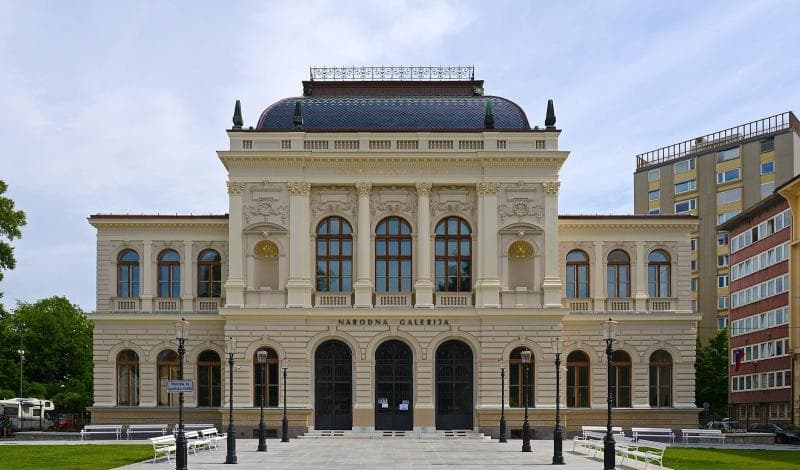
Explore the National Gallery Of Slovenia in Ljubljana, housing a vast collection of Slovenian and European art from the Middle Ages.
Overview
The National Gallery of Slovenia, known locally as Narodna galerija, stands as the country's foremost art museum in the vibrant capital city of Ljubljana. This esteemed institution serves as a custodian of Slovenia's rich artistic heritage, housing the largest collection of fine art that spans from the High Middle Ages right up to the early 20th century. Visitors stepping into the gallery are greeted by a striking blend of historical architecture and modern design, reflecting the enduring legacy of Slovenian creativity.
The gallery complex is a fascinating fusion of three integrated wings, encompassing a significant exhibition space. At its heart is the majestic Neo-Renaissance palace, originally a cultural center, now seamlessly connected to a more contemporary extension by an impressive transparent glass gallery.
History & Cultural Background
The journey to establish a national home for Slovenian art began in earnest towards the end of the 19th century, driven by figures like the aristocratic polymath Peter Radics and Mayor Ivan Hribar. The National Gallery Society was officially founded in 1918, marking a pivotal moment in the nation's cultural development following the dissolution of Austria-Hungary. Initially, the collection found a temporary home in Kresija Palace, but by 1925 or 1926, it relocated to its current and permanent address in the Narodni dom Palace.
The Narodni dom building itself holds significant historical and cultural weight. Constructed in 1896 and designed by Czech architect František Škabrout, it was originally conceived as a Slovenian cultural center, serving as a hub for various national associations. This grand edifice was part of Mayor Ivan Hribar's vision to elevate Ljubljana into a representative capital for all Slovene Lands. Over the decades, the gallery has undergone several renovations, with a notable project concluding in 2016, which reimagined its permanent exhibition spaces.
What Makes It Special
What truly sets the National Gallery of Slovenia apart is its comprehensive and unparalleled collection of Slovenian art. The gallery proudly showcases works by revered Slovenian artists such as Ivana Kobilca, known for her captivating portraits, and the influential Impressionists Ivan Grohar, Rihard Jakopič, and Jurij Šubic.
Beyond its rich display of national talent, the museum also features a collection of European masters and medieval sacred art, providing a broader context for the development of art in the region. One of its most iconic attractions is the original Baroque Robba Fountain, a masterpiece created by Francesco Robba in the 18th century. This intricately carved fountain, once a centerpiece of Ljubljana's town square, was carefully moved indoors in 2008 to ensure its preservation, and now resides majestically within the gallery's transparent glass hall. This modern glass structure, designed by the Sadar + Vuga architecture bureau in 2001, not only connects the historic wings but also offers a bright, inviting space for visitors.
Stories, Fun Facts & Local Details
Among the many treasures, Ivana Kobilca's painting 'Woman Drinking Coffee' (Kofetarica), created in 1888, holds a special place, being one of the most recognized and beloved works in Slovenian art. It offers a poignant glimpse into 19th-century life and artistic expression.
The relocation of the original Robba Fountain into the gallery was a significant undertaking, showcasing the nation's commitment to preserving its cultural heritage. The three marble figures of the fountain are traditionally associated with the Sava, Krka, and Ljubljanica rivers, connecting the artwork deeply to Slovenia's natural landscape. For younger visitors, the gallery offers a delightful feature known as 'Gal's Room', where children can engage in workshops and activities, fostering an early appreciation for art and culture.
Visitor Perspective
The National Gallery of Slovenia is conveniently situated in the heart of Ljubljana, making it easily accessible, often just a 10-15 minute walk from the city center. Its proximity to Tivoli Park also offers an opportunity to combine a cultural visit with a relaxing stroll. The gallery generally operates from Tuesday to Sunday, with extended hours on Thursdays.
The atmosphere within is one of quiet contemplation, allowing visitors to immerse themselves fully in the artworks. While some sources indicate no wheelchair access to specific older parts, others state general accessibility for persons with movement disabilities. It's always advisable to check the official website for the most current accessibility information. The National Gallery promises a wonderfully enriching experience for anyone keen to explore the artistic soul of Slovenia and gain insight into its historical and cultural narrative.
Coordinates: 14.5, 46.05361
View on Google Maps💬 How Travelers Describe This Place
Based on community votes
Beautiful
804Unique
733Must See
563Interesting
404Photogenic
336
Traveler Stories
Discover memorable experiences shared by travelers who have visited this place.
No traveler stories yet.
Be the first traveler to share what made this place memorable.
Things to see at National Gallery Of Slovenia



Tour
By
Spot
Discover amazing places around the world. Your journey starts here.
Explore
© 2026 TourBySpot. All rights reserved.