Impressionist Works
Ljubljana, Slovenia
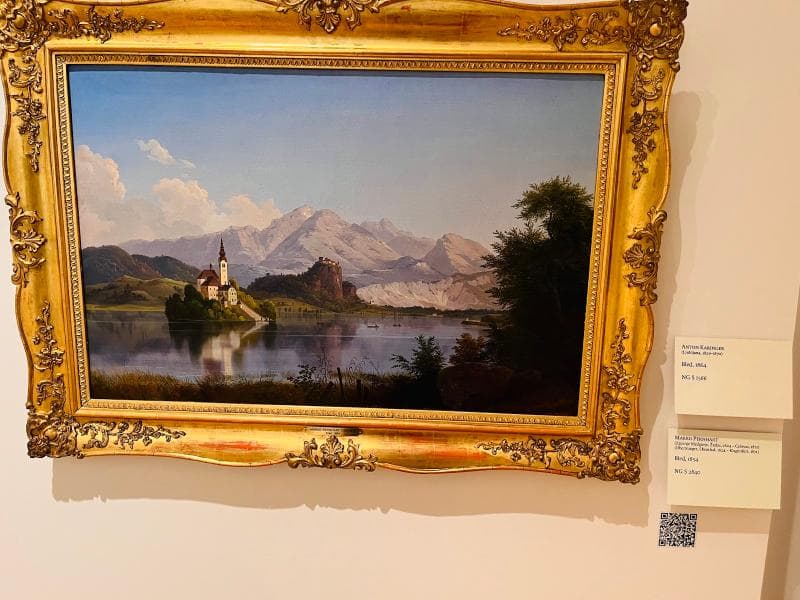
Discover Slovenian Impressionist works at the National Gallery of Slovenia in Ljubljana, featuring masterpieces by Jakopič, Grohar, Jama, and Sternen.
Overview
Stepping into the National Gallery of Slovenia in Ljubljana offers a captivating journey through the nation's artistic heritage, with a particularly vibrant highlight found within its collection of Impressionist works. This esteemed segment of the gallery's permanent exhibition showcases the masterpieces of Slovenian Impressionism, a movement that profoundly shaped the country's visual arts landscape from the late 19th to the early 20th century. The collection primarily features the pivotal works of four renowned Slovenian painters: Rihard Jakopič, Ivan Grohar, Matija Jama, and Matej Sternen. Their collective efforts and individual brilliance not only defined an era but also left an indelible mark on Slovenian cultural identity. The National Gallery, Slovenia's principal museum of historic art, meticulously preserves and presents these works, allowing visitors to delve into a period of intense artistic creativity and national awakening.
These Impressionist works are integral to understanding the development of Slovenian fine art, bridging traditional styles with modern European artistic currents. They represent a crucial chapter that resonates with both historical significance and profound aesthetic appeal, drawing art enthusiasts and curious travelers alike to explore the depths of Slovenian artistic expression. The careful curation within the National Gallery ensures that each piece tells a part of this compelling story, inviting contemplation and admiration.
History & Cultural Background
Slovenian Impressionism emerged during a transformative period between approximately 1890 and 1920, deeply influenced by broader European artistic trends, yet distinctly rooted in Slovenian context. The four core Impressionists—Rihard Jakopič, Ivan Grohar, Matija Jama, and Matej Sternen—often referred to as the 'Sava group' or 'Slovene Impressionists', forged their artistic paths after studying in Munich in the late 1890s.
Their studies exposed them to the Munich academy, the Secession movement, and the renowned private painting school of fellow Slovene artist Anton Ažbe, all of which were formative influences on their creative development. While absorbing these international currents, they also encountered French Impressionist works, which were exhibited in Munich as early as 1891. This exposure helped them formulate a unique Slovenian artistic idiom. The period coincided with a heightened sense of national identity in Slovenia, then part of the Austro-Hungarian Empire. The artists' exploration of light, color, and landscape often intertwined with the depiction of Slovenian scenery and rural life, imbuing their works with a sense of national character and belonging. Their collective exhibitions, starting with the First Slovenian Art Exhibition in Ljubljana in 1900, marked their significant presence and influence on the local art scene.
What Makes It Special
The Impressionist collection at the National Gallery of Slovenia is special not only for its artistic merit but also for its profound connection to Slovenian national identity. Unlike their French counterparts who often focused on urban leisure, Slovenian Impressionists frequently turned their gaze to the evocative landscapes, natural beauty, and everyday life of Slovenia. This emphasis created a 'naturlyricism', capturing the essence of the Slovenian countryside and its people with vibrant brushstrokes and luminous palettes.
Their work, particularly that of Rihard Jakopič, Ivan Grohar, Matija Jama, and Matej Sternen, brought modern European artistic techniques to Slovenia, adapting them to express local themes and emotions. Ivan Grohar's iconic painting 'The Sower' (1907), for example, has transcended its artistic origins to become a national symbol, even appearing on a Slovenian euro coin, demonstrating the deep cultural resonance of these works. The collection showcases how these artists developed their individual styles while contributing to a cohesive and recognizable national art movement. The gallery's commitment to presenting these works in their historical and cultural context allows visitors to appreciate not just the beauty of the paintings, but also their role in shaping a national consciousness.
Stories, Fun Facts & Local Details
The story of Slovenian Impressionism is one of both individual genius and collective spirit. The close bonds formed by Jakopič, Grohar, Jama, and Sternen during their student days in Munich were foundational to their artistic movement. They were not merely contemporaries but a tight-knit group, often exhibiting together and influencing each other's artistic development. This camaraderie fostered a vibrant artistic environment that helped propel Slovenian art onto the European stage.
A particularly interesting aspect is the ambition of Rihard Jakopič, who not only created art but also played a crucial role in establishing the local art scene, setting up the first exhibition space in Ljubljana in 1909. This demonstrates the artists' dedication not just to their craft but to the broader cultural development of their homeland. Furthermore, the National Gallery itself, housed in the impressive Narodni Dom building, originally built in 1896, stands as a monument to Slovenian cultural aspirations of the era. The building, designed by Czech architect František Škabrout, initially served as a cultural center, underscoring the intertwining of art and national identity from its very inception. Visitors can reflect on how the artists' work, exhibited in such a historically significant setting, continues to inspire and connect with Slovenians today. The collection offers glimpses into the daily lives, landscapes, and spirit of Slovenia over a century ago, making it a powerful testament to the nation's enduring cultural legacy.
Visitor Perspective
For the curious traveler, encountering the Impressionist works at the National Gallery of Slovenia is an enriching experience that goes beyond mere art appreciation. It's an opportunity to connect with the soul of Slovenia, observing how light, color, and form were employed to express a burgeoning national identity and a deep affection for the Slovenian landscape. The gallery's layout allows for an intimate viewing of these masterpieces, inviting visitors to pause and absorb the intricate details and emotional depth within each canvas.
As you wander through the halls displaying these works, you might find yourself captivated by Matija Jama's serene 'Willows' or the compelling intensity of Rihard Jakopič's works. The collection is not merely a display of paintings but a window into a pivotal era, offering insights into the dreams and aspirations of a nation through the eyes of its most talented artists. The environment of the National Gallery, a beautiful late 19th-century neo-Renaissance palace with a modern glass extension, creates a harmonious setting for this artistic exploration. It's a place where you can feel the pulse of Slovenian history and culture, making the Impressionist works a must-see for anyone seeking a deeper understanding of Ljubljana and Slovenia. The experience is designed to be accessible and thought-provoking, ensuring that every visitor leaves with a richer appreciation for Slovenian artistic heritage.
Coordinates: 14.5, 46.05361
View on Google Maps💬 How Travelers Describe This Place
Based on community votes
Beautiful
804Unique
733Must See
563Interesting
404Photogenic
336
Traveler Stories
Discover memorable experiences shared by travelers who have visited this place.
No traveler stories yet.
Be the first traveler to share what made this place memorable.

Tour
By
Spot
Discover amazing places around the world. Your journey starts here.
Explore
© 2026 TourBySpot. All rights reserved.