Sculpture Garden
Ljubljana, Slovenia
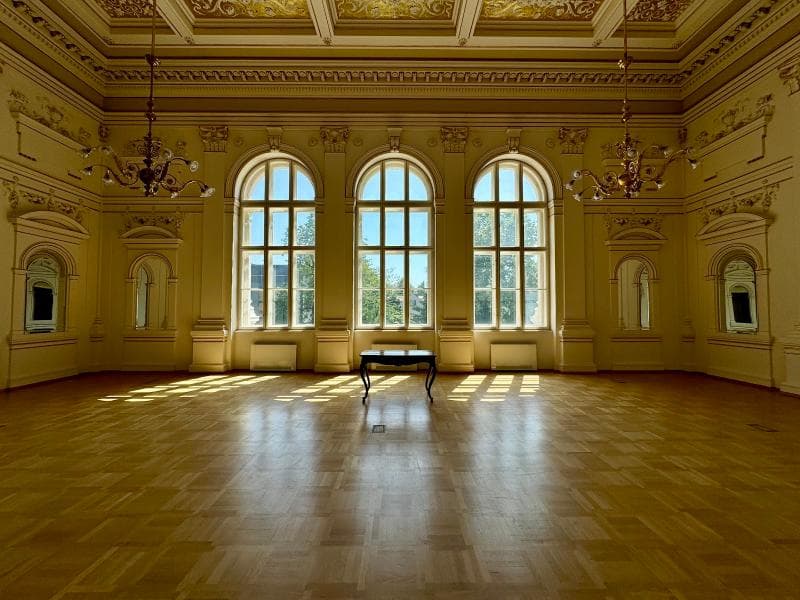
Explore the National Gallery of Slovenia in Ljubljana, home to the original Robba Fountain and a rich collection of Slovenian sculptures.
Overview
Nestled in the heart of Ljubljana, Slovenia, the National Gallery of Slovenia stands as the nation's principal institution for historical art, showcasing a vast collection spanning from the High Middle Ages to the early 20th century. While a dedicated 'Sculpture Garden' in the traditional sense is not explicitly featured, the gallery proudly integrates significant sculptural works throughout its premises, offering visitors a rich experience of three-dimensional art. The most celebrated of these is undoubtedly the original Baroque Robba Fountain, a masterpiece that now graces the gallery's modern glass atrium. This grand building, a late 19th-century Neo-Renaissance palace, itself offers a majestic setting for art appreciation, inviting curious travelers to delve into Slovenia's artistic heritage.
History & Cultural Background
The National Gallery of Slovenia, known locally as Narodna galerija, was established in 1918, a pivotal moment following the dissolution of Austria-Hungary. It fulfilled a long-held desire among Slovenians to create a dedicated home for their national art. Originally housed in the Kresija Palace, the gallery moved to its current, more expansive location in 1925—the Narodni dom (National Hall), a building constructed in 1896. This architectural gem, designed by Czech architect František Škabrout, was initially conceived as a Slovenian cultural center. The gallery's collection has grown significantly over the decades, taking over custody of various art collections and receiving numerous donations and bequests, including an impressive collection of approximately 1,000 pieces of sculpture. The integration of the Robba Fountain into the gallery in 2008 marked a notable moment, preserving this significant Baroque monument indoors.
What Makes It Special
What truly sets the National Gallery apart is its comprehensive historical art collection, making it the largest and most important of its kind in Slovenia. Its commitment to presenting Slovenian art, alongside European masters, provides a unique cultural narrative. While there isn't an outdoor sculpture garden, the ingenious integration of the original Robba Fountain within a transparent glass atrium creates a memorable experience, offering a protected yet dramatic display for this monumental Baroque work. This architectural solution beautifully bridges the historical and the modern, allowing natural light to illuminate the intricate details of the fountain. Beyond this, the gallery's collection features medieval religious sculptures, Gothic panel sculptures, and works from the 1800s and 1900s, showcasing the evolution of sculptural art through different periods.
Stories, Fun Facts & Local Details
The Robba Fountain itself carries a fascinating story. Created by the Italian sculptor Francesco Robba in the 18th century, it originally stood in front of Ljubljana's Town Hall. Its three marble figures are traditionally believed to represent the three main rivers of the historic Carniolan region: the Sava, the Ljubljanica, and the Krka. Moving this monumental fountain indoors to the National Gallery in 2008 was a significant feat, undertaken to ensure its long-term preservation, with a replica now gracing its original spot in Mestni Trg square. This act underscores Slovenia's dedication to its cultural heritage. The gallery also employs creative ways to engage visitors, including 'Gal the Dwarf,' a beloved mascot who guides children through workshops and activities, turning art exploration into an adventurous quest.
Visitor Perspective
For a curious traveler, a visit to the National Gallery offers more than just viewing art; it's an immersion into Slovenia's rich artistic soul. The layout, connecting the historic palace with a modern wing via the impressive glass atrium, creates an enjoyable flow. Walking through the gallery, you encounter a diverse range of sculptures, from the solemn beauty of medieval pieces to the dynamic forms of later periods. The highlight for many is the Robba Fountain, its elaborate carvings standing as a testament to Baroque artistry, now admired in a serene, climate-controlled environment. This central location within Ljubljana, close to Tivoli Park, also makes it an easily accessible cultural stop, perfect for those seeking a deeper understanding of Slovenian and European artistic traditions.
Coordinates: 14.500188, 46.054032
View on Google Maps💬 How Travelers Describe This Place
Based on community votes
Beautiful
876Interesting
875Photogenic
718Unique
648Must See
235
Traveler Stories
Discover memorable experiences shared by travelers who have visited this place.
No traveler stories yet.
Be the first traveler to share what made this place memorable.

Tour
By
Spot
Discover amazing places around the world. Your journey starts here.
Explore
© 2026 TourBySpot. All rights reserved.