Permanent Collection
Ljubljana, Slovenia
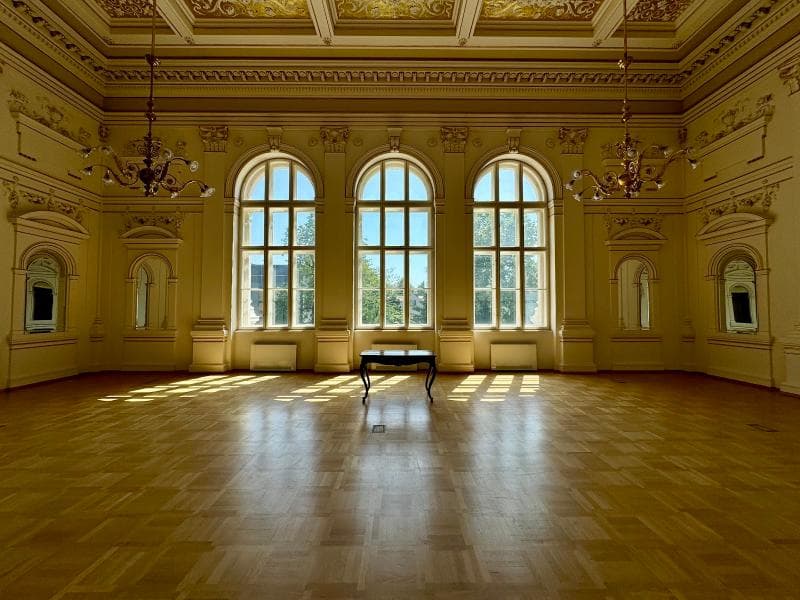
Explore the Permanent Collection at the National Gallery of Slovenia in Ljubljana, featuring masterpieces from the Middle Ages to the 20th century.
Overview
The Permanent Collection at the National Gallery of Slovenia, nestled in the heart of Ljubljana, serves as a profound testament to the nation's rich artistic heritage. It is Slovenia's foremost repository of fine art, presenting an expansive journey through visual arts from the High Middle Ages to the early 20th century. This esteemed collection boasts nearly 600 works by both celebrated Slovenian and influential European artists, offering visitors a comprehensive understanding of artistic evolution in the region. Housed within a magnificent late 19th-century Neo-Renaissance palace, the collection invites a contemplative exploration of centuries of creativity and cultural expression.
History & Cultural Background
The National Gallery of Slovenia was formally established in 1918, a pivotal moment following the dissolution of Austria-Hungary and the birth of the State of Slovenes, Croats and Serbs. However, the aspirations for a national art institution, an 'acropolis' for Slovenian art, had been nurtured since the late 19th century, driven by figures like Mayor Ivan Hribar. Initially located in the Kresija Palace, the Gallery moved to its current, iconic home in 1925. The present building itself, constructed in 1896 and designed by Czech architect František Škabrout, was originally conceived as the 'Narodni dom' or Slovenian cultural center, intended to transform Ljubljana into a representative capital for all Slovene Lands. This historical context underscores the collection's deep roots in the Slovenian national awakening and its role in defining a distinct cultural identity.
What Makes It Special
What sets the Permanent Collection apart is its unique blend of national and international artistic narratives, meticulously arranged to guide visitors chronologically through art history. The collection spans from medieval sacred art, including religious icons from as early as the 1100s, to works of Baroque, Biedermeier, Neoclassicism, Realism, and the vibrant period of Slovenian Impressionism. Visitors can admire masterpieces by foundational Slovenian artists such as Ivana Kobilca, Ivan Grohar, Rihard Jakopič, and Jurij Šubic, whose works capture the soul of 19th-century Slovenia with great emotion. Beyond these national treasures, the collection also includes significant works by European masters, providing a broader artistic dialogue. A truly distinctive feature is the original Baroque Robba Fountain, an architectural marvel relocated from Ljubljana's Town Hall to the Gallery's central glass atrium, offering a blend of fine art and sculptural grandeur within the museum's embrace.
Stories, Fun Facts & Local Details
The journey of the Robba Fountain to the National Gallery is a fascinating local detail; this magnificent Baroque masterpiece, depicting river gods of the historic Carniolan region, was moved from Mestni Trg square to ensure its preservation, with a replica now standing in its original spot. This relocation transformed the Gallery into a guardian of one of Ljubljana's most significant historical sculptures. The Gallery also dedicates a special section to the works of Zoran Mušič, one of Europe's leading modernist painters, highlighting his profound impact on art. Furthermore, the building itself holds stories, with its grand 19th-century Neo-Renaissance architecture complemented by a modern glass extension that seamlessly connects different parts of the museum, symbolizing a bridge between past and present. The collection's arrangement allows for an insightful exploration, revealing how Slovenian artists contributed to and were influenced by broader European artistic movements.
Visitor Perspective
Exploring the Permanent Collection offers a tranquil yet enriching experience for any curious traveler. The gallery, housed over two floors, is easily walkable from Ljubljana's historic city center, making it an accessible cultural stop. Visitors can typically spend 1.5 to 2 hours immersing themselves in the art. The chronological layout, particularly if starting from the top floor and working downwards, provides a natural narrative flow through the periods, enhancing understanding and preventing backtracking. The building's elegant design, including a mesmerizing wooden staircase, adds to the ambiance, making one feel as if stepping back in time. The National Gallery is also accessible for people with mobility disabilities, offering designated paths and facilities. It's a wonderful opportunity to connect with Slovenia's artistic soul and witness the masterpieces that have shaped its cultural landscape.
Coordinates: 14.5, 46.05361
View on Google Maps💬 How Travelers Describe This Place
Based on community votes
Unique
982Photogenic
876Must See
458Interesting
235Beautiful
197
Traveler Stories
Discover memorable experiences shared by travelers who have visited this place.
No traveler stories yet.
Be the first traveler to share what made this place memorable.

Tour
By
Spot
Discover amazing places around the world. Your journey starts here.
Explore
© 2026 TourBySpot. All rights reserved.