Medieval Art Section
Ljubljana, Slovenia
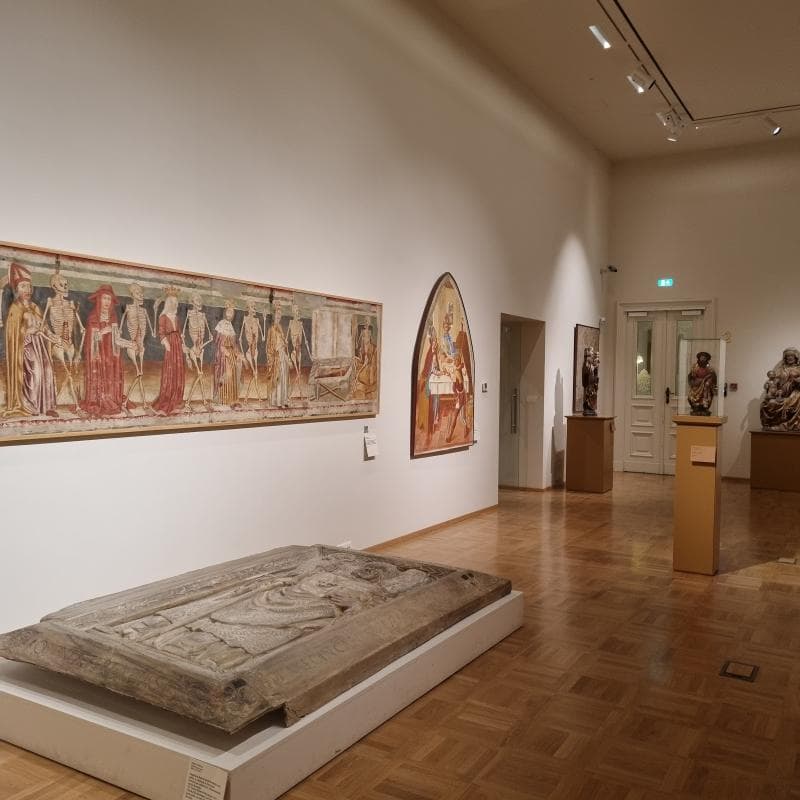
Explore the National Gallery of Slovenia's Medieval Art Section in Ljubljana, a rich collection spanning the High Middle Ages to the 16th century.
Overview
Nestled in the heart of Ljubljana, Slovenia, the National Gallery of Slovenia stands as the nation's premier institution for historical art, chronicling the rich artistic legacy of the region. Among its most captivating permanent collections is the Medieval Art Section, a dedicated showcase that transports visitors back to a pivotal era in European history. This section is a cornerstone of the gallery's extensive holdings, which span from the High Middle Ages to the early 20th century. It offers a unique window into the spiritual, social, and aesthetic world of medieval Slovenia, presenting works that are not only historically significant but also deeply expressive of human devotion and craftsmanship.
The National Gallery itself, known in Slovene as Narodna galerija, was established in 1918 and moved to its current, magnificent neo-Renaissance palace building in 1925. This grand setting provides an ideal backdrop for the solemn beauty of the medieval artworks. The collection features a diverse array of pieces, primarily religious art, reflecting the dominant themes and purposes of art during the Middle Ages. For any curious traveler seeking to understand the foundational artistic currents that shaped Slovenia, the Medieval Art Section offers an invaluable and immersive experience.
History & Cultural Background
The history of medieval art in the Slovenian lands is deeply intertwined with the spread of Christianity and the influence of monastic orders and major regional centers like Gorizia, Villach, and Ljubljana. From the High Middle Ages onwards, art served primarily spiritual and didactic functions, adorning churches and monasteries. The earliest sculptural pieces in the collection may show Romanesque vestiges, but the predominant style is Gothic, which flourished and, in some areas, persisted well into the 16th century.
This period saw the creation of exquisite religious icons and altar pieces, reflecting the profound faith of the time. However, the 16th century brought significant challenges to artistic production, including Turkish invasions, peasant uprisings, and the rise of Protestantism, which often held an aversion to elaborate fine arts. Despite these upheavals, the artistic traditions endured, evolving to tell the story of a resilient culture through its visual expressions. The National Gallery's medieval collection meticulously preserves these narratives, offering a chronological journey through centuries of artistic and societal transformation.
What Makes It Special
The Medieval Art Section distinguishes itself through its exceptional focus on art created within or for the Slovenian cultural sphere, providing insights into local interpretations of broader European artistic movements. The collection is particularly renowned for its examples of religious icons and monumental frescoes, many of which are represented by original fragments or illustrative copies that highlight the prevalence of Gothic painting.
Sculptural works are also a highlight, originating from numerous medieval workshops that supplied churches with reliefs and statues for their altars. Common motifs include the Crucified Christ, Madonna and Child, and Pietà, showcasing the deep devotional aspects of the era. A particularly striking feature of the collection are the so-called 'golden altars' from the 17th century, richly gilded and polychrome carved wooden retables that represent a fascinating blend of carving, gilding, and painting. These pieces are not merely historical artifacts; they are windows into the artistic techniques, religious fervor, and societal structures of medieval Slovenia.
Stories, Fun Facts & Local Details
One fascinating aspect of the medieval collection lies in understanding the context of its creation. For instance, the 'golden altars' were often intricate multi-disciplinary works, involving not only master carvers but also painters and gilders, reflecting a collaborative spirit in artistic production. These altars often incorporated crustaceous patterns that evolved into vine and grape motifs, and later into acanthus foliage, demonstrating a dynamic interplay of natural elements and elaborate design.
The gallery's commitment to presenting 'medieval sacred art' underscores the deep spiritual roots of Slovenian culture. Visitors can observe how artistic forms, such as the detailed depictions of saints like St. Dorothea, St. Catherine, St. Barbara, and St. Margaret, served as powerful visual aids for religious instruction and contemplation. The persistence of Gothic styles deep into the 16th century in certain regions of Slovenia, even as the Renaissance dawned elsewhere, reveals the unique trajectory of artistic development in this part of Europe. The National Gallery of Slovenia even offers an e-book to help visitors learn more about medieval art in the Slovenian lands, enriching the experience with accessible educational resources.
Visitor Perspective
Stepping into the Medieval Art Section is akin to embarking on a quiet pilgrimage through time. The hushed atmosphere of the gallery allows for contemplative engagement with each piece. Visitors can marvel at the intricate details of religious icons and the expressive power of sculptures that have withstood centuries. The collection is thoughtfully curated, guiding one through the stylistic progression from the Romanesque period to the Gothic zenith. Encountering these artworks provides a tangible connection to the past, allowing one to appreciate the artistic skills and profound beliefs of medieval Slovenian society. The gallery's accessible location in Ljubljana and its comprehensive presentation make this section a rewarding experience for anyone interested in art history, religious studies, or simply seeking a deeper understanding of Slovenia's cultural heritage. It's a place where history speaks through art, offering quiet moments of reflection and profound discovery.
Coordinates: 14.50026, 46.05405
View on Google Maps💬 How Travelers Describe This Place
Based on community votes
Beautiful
1.0kPhotogenic
563Must See
309Unique
100Interesting
63
Traveler Stories
Discover memorable experiences shared by travelers who have visited this place.
No traveler stories yet.
Be the first traveler to share what made this place memorable.

Tour
By
Spot
Discover amazing places around the world. Your journey starts here.
Explore
© 2026 TourBySpot. All rights reserved.