National Archaeological Museum
Athens, Greece
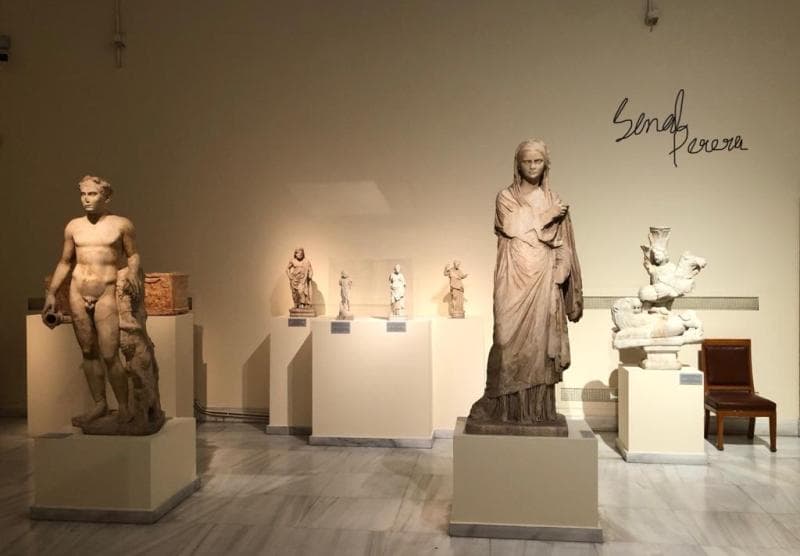
Explore the National Archaeological Museum in Athens, Greece, home to the world's richest collection of ancient Greek artifacts, spanning prehistory to late antiquity. Discover iconic treasures.
Overview
The National Archaeological Museum in Athens, Greece, stands as a paramount institution dedicated to preserving and showcasing the rich tapestry of Hellenic civilization. It is widely regarded as one of the greatest museums globally, housing the most comprehensive collection of Greek antiquity artifacts in the world, spanning from prehistory to late antiquity. With over 11,000 exhibits on permanent display, the museum offers an unparalleled journey through millennia of Greek art, culture, and history. Its vast collections are organized to guide visitors chronologically, revealing the artistic and technological advancements of ancient Greece.
History & Cultural Background
The origins of the National Archaeological Museum trace back to 1829, when the first national archaeological museum in Greece was established in Aegina by Governor Ioannis Kapodistrias. As the collection of antiquities grew, it was relocated several times until Athens became the capital, leading to the decision for a dedicated, permanent home. The construction of the current imposing neoclassical building began in 1866 and was largely completed by 1889, funded by the Greek government, the Greek Archaeological Society, and benefactors like the Bernardakis family. Designed initially by Ludwig Lange and later modified by Ernst Ziller, the architecture itself reflects the classical aesthetics it houses. During World War II, the museum closed its doors, and its priceless artifacts were meticulously packed and buried underground to protect them from destruction and looting, a testament to the nation's commitment to its heritage. The exhibits were eventually brought back to light and displayed again in 1945.
What Makes It Special
What truly sets the National Archaeological Museum apart is its unparalleled depth and breadth of artifacts, offering a panoramic view of Greek civilization. Its five permanent collections — Prehistoric Antiquities, Sculpture, Vase and Minor Arts, Metallurgy, and Egyptian and Near Eastern Antiquities — provide insights into every facet of ancient life. Key highlights include treasures from the Mycenaean civilization, such as gold objects and the famous 'Mask of Agamemnon,' alongside exquisite Cycladic marble figurines and well-preserved frescoes from Akrotiri (Thera). The sculpture collection, spanning from 700 BCE to the 5th century CE, vividly illustrates the evolution of Greek sculptural art, featuring iconic pieces like the colossal bronze statue of Zeus or Poseidon found off Cape Artemision. Beyond its archaeological wonders, the museum also boasts one of the richest archaeological libraries in Greece, containing over 20,000 volumes, including rare editions from the 17th century.
Stories, Fun Facts & Local Details
Among its most captivating artifacts is the Antikythera Mechanism, often called the 'world's first analog computer.' Discovered in a shipwreck off the island of Antikythera in 1901, this intricate device from around 100 BCE was used to predict celestial positions and eclipses, showcasing the extraordinary astronomical and technological prowess of the ancient Greeks. The 'Mask of Agamemnon,' a striking gold burial mask from Mycenae, embodies the legendary richness of this Bronze Age civilization, although modern scholarship suggests it predates the historical Agamemnon. Visitors can also find solace and beauty in the museum's recently renovated garden, which features over 6,000 indigenous plants, including a 1,300-year-old olive tree, connecting the classical past with contemporary Greek nature. The museum also periodically runs an 'Unseen Museum' initiative, offering rare glimpses into its vast collection of artifacts typically kept in storage.
Visitor Perspective
The National Archaeological Museum is conveniently located in the Exarcheia area of central Athens, with its main entrance on Patission Street. While it's a short taxi ride from popular areas like Plaka, it's also accessible by metro (Victoria or Omonia stations) and various bus and trolleybus lines. Many visitors recommend dedicating at least three hours, or even a half-day, to fully appreciate its extensive collections, although a casual stroll can also be rewarding. The museum is designed to avoid visitor fatigue, with a well-planned layout and thoughtful lighting. A lovely garden-patio cafe offers a perfect spot to rest and refuel, and a museum shop provides a selection of replicas and books. The museum is also committed to accessibility, offering services and entrances for visitors with disabilities. Visiting this monumental institution is an essential experience for anyone seeking to understand the enduring legacy of ancient Greece.
Coordinates: 23.7322, 37.9892
View on Google Maps💬 How Travelers Describe This Place
Based on community votes
Must See
684Beautiful
363Photogenic
302Unique
250Interesting
88
Traveler Stories
Discover memorable experiences shared by travelers who have visited this place.
No traveler stories yet.
Be the first traveler to share what made this place memorable.
Things to see at National Archaeological Museum



Tour
By
Spot
Discover amazing places around the world. Your journey starts here.
Explore
© 2026 TourBySpot. All rights reserved.