Bronze Statues
Athens, Greece
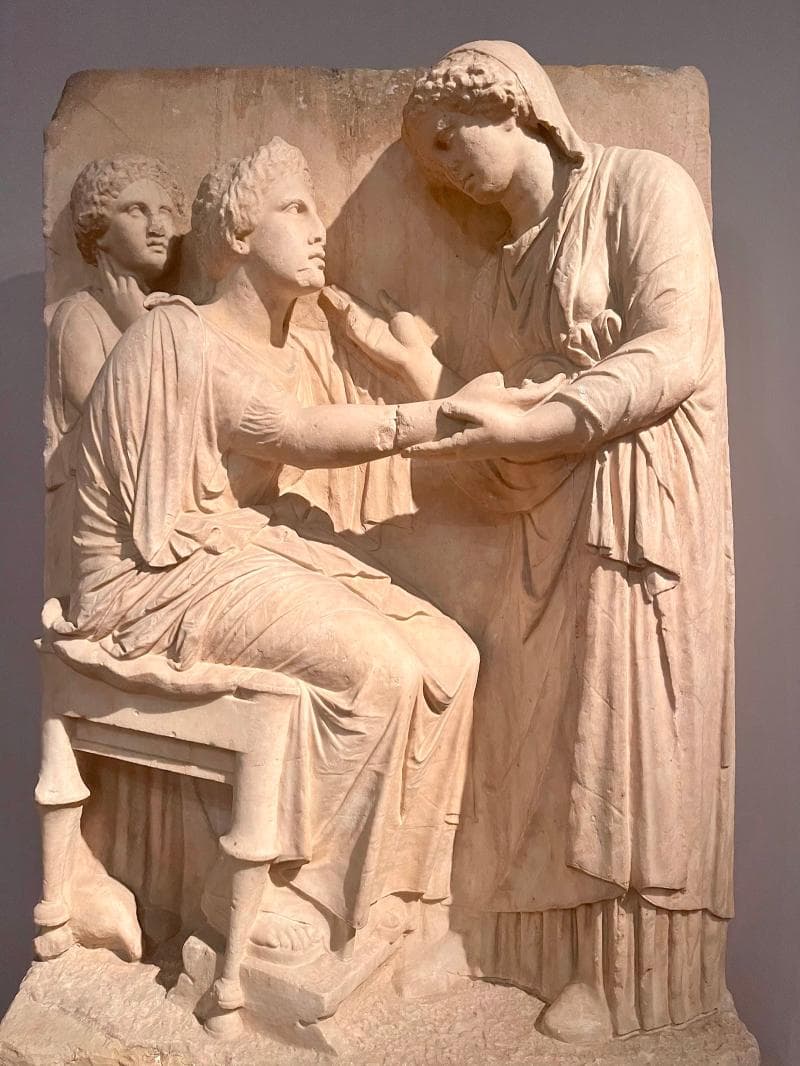
Explore the magnificent Bronze Statues at the National Archaeological Museum in Athens, Greece. Discover masterpieces like the Artemision Bronze and the Jockey of Artemision, revealing ancient Greek artistry.
Overview
Stepping into the National Archaeological Museum in Athens, Greece, one quickly realizes that its collection of Bronze Statues is among the world's most treasured and significant. These masterpieces offer a rare glimpse into the unparalleled skill and artistic vision of ancient Greek sculptors. Unlike many other ancient artworks, large-scale bronze sculptures from this era are exceptionally rare, as most were melted down for their valuable metal over centuries. The museum's collection is thus a testament to serendipitous survival, primarily through discovery in ancient shipwrecks. Here, visitors can marvel at iconic figures such as the majestic Artemision Bronze, the dynamic Jockey of Artemision, and the graceful Antikythera Ephebe, each telling a profound story of ancient Greek civilization and artistry.
History & Cultural Background
Ancient Greek bronze sculpture represents a pinnacle of artistic achievement, evolving from the Archaic to the Classical and Hellenistic periods. Sculptors mastered the intricate lost-wax casting technique, allowing for greater realism, dynamism, and expressiveness than was possible with marble. Bronze statues were highly prized in antiquity, often depicting gods, heroes, athletes, and mythological scenes. However, their material value also led to their demise; countless bronze statues were melted down over time to create weapons, coins, or other objects, leaving a mere fraction for modern discovery. The National Archaeological Museum's collection largely comprises pieces recovered from the sea, where shipwrecks ironically preserved them from destruction. These underwater discoveries, such as those off Cape Artemision and Antikythera, have profoundly reshaped our understanding of ancient Greek bronzes, offering some of the few original examples that survive today.
What Makes It Special
The bronze collection at the National Archaeological Museum stands out due to the exceptional artistry and dramatic history of its pieces.
The Artemision Bronze (Zeus or Poseidon): This larger-than-life statue, dating to around 460-450 BCE, captures a powerful god in full stride, arm poised to hurl a weapon. Its identity remains a subject of academic debate: is it Zeus about to cast a thunderbolt, or Poseidon wielding his trident? The statue's intense movement, striking anatomy, and serene yet formidable expression embody the ideals of the Early Classical period. It was discovered in fragments from a shipwreck near Cape Artemision.
The Jockey of Artemision: An exceptionally rare example of Hellenistic bronze art, this dynamic statue from around 140-130 BCE depicts a young boy riding a galloping racehorse. Its emotional realism is palpable, with the jockey's strained face conveying intense concentration and the horse's muscles tensed in mid-gallop. The sculpture's survival from the same Cape Artemision shipwreck as the Artemision Bronze highlights its fortuitous preservation. A small image of the goddess Nike engraved on the horse's thigh suggests it was a brand for racehorses.
The Antikythera Ephebe: This elegant bronze statue of a young man, dating to 340-330 BCE, showcases the fluid grace and contrapposto pose characteristic of the Late Classical period. Recovered from the Antikythera shipwreck, alongside the famous Antikythera Mechanism, this 'youth' is believed by some to represent Paris, holding the Apple of Discord. Its serene beauty and lifelike portrayal make it a highlight of the collection.
The Marathon Youth: Another exquisite find from the sea, discovered in Marathon Bay, this bronze statue from approximately 340-330 BCE depicts a young athlete in a relaxed yet graceful pose. Its soft musculature and refined expression are reminiscent of the school of Praxiteles, suggesting an athlete or perhaps even Hermes.
Stories, Fun Facts & Local Details
The bronze statues in Athens' National Archaeological Museum are steeped in captivating stories. Many of these masterpieces owe their existence to ancient shipwrecks, a dramatic twist of fate that protected them from the widespread melting down of bronzes for their metal value during later periods. For instance, the Artemision Bronze was recovered in pieces, with a fascinating account of its final salvage involving the thwarting of antiquities thieves. The debate over whether the Artemision Bronze depicts Zeus or Poseidon adds an intriguing layer of mystery; without the missing lightning bolt or trident, scholars continue to discuss its true identity. The Jockey of Artemision is notable for its depiction of a young jockey, possibly around ten years old, whose features and original black patinated surface hint at a possible African origin, even though his hairstyle is distinctly Greek, suggesting a mixed heritage. These details invite visitors to imagine not just the mythical narratives, but also the historical circumstances and human stories behind each piece.
Visitor Perspective
Experiencing the Bronze Statues at the National Archaeological Museum is an awe-inspiring journey through time. As a visitor, you are not just looking at ancient art; you are engaging with remnants of a lost world, preserved against all odds. The scale and presence of these figures, particularly the larger-than-life gods and athletes, command attention. Observe the intricate details: the tensed muscles of the Jockey's horse, the intense focus in the Jockey's eyes, or the contemplative posture of the Antikythera Ephebe. The play of light on the bronze, revealing subtle nuances of form and expression, makes for a truly immersive experience. Allow yourself time to ponder the stories of their creation, their long slumber beneath the sea, and their eventual rediscovery. These statues are not merely static objects; they are dynamic expressions of human creativity and resilience, waiting to share their profound legacy with every curious traveler.
Coordinates: 23.73222, 37.98917
View on Google Maps💬 How Travelers Describe This Place
Based on community votes
Unique
623Photogenic
545Interesting
343Beautiful
302Must See
88
Traveler Stories
Discover memorable experiences shared by travelers who have visited this place.
No traveler stories yet.
Be the first traveler to share what made this place memorable.

Tour
By
Spot
Discover amazing places around the world. Your journey starts here.
Explore
© 2026 TourBySpot. All rights reserved.