Vase Galleries
Athens, Greece
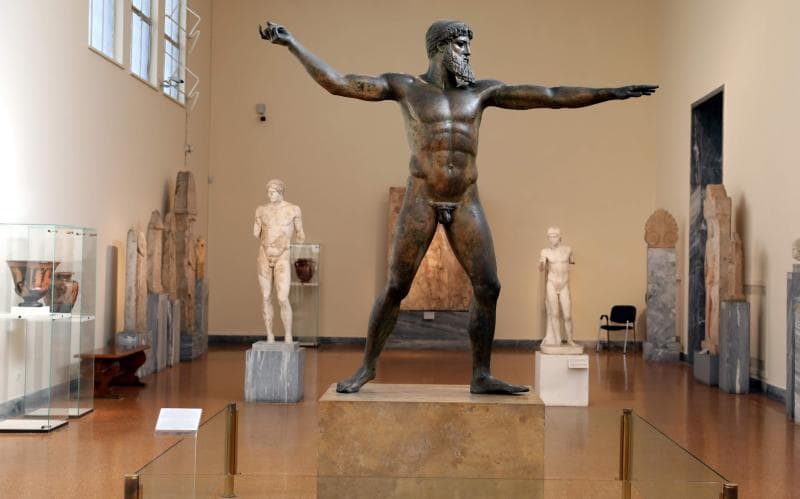
Explore the rich Vase Galleries of the National Archaeological Museum in Athens, Greece, home to an unparalleled collection of ancient Greek pottery.
Overview
Stepping into the Vase Galleries of the National Archaeological Museum in Athens is like embarking on a captivating journey through ancient Greek artistry and daily life. This remarkable collection, often referred to as the Vase and Minor Objects Collection, stands as one of the world's most extensive and significant assemblages of ancient Greek pottery. It chronicles the evolution of ceramic art from the 11th century BC all the way to the Roman period, offering a unique window into the aesthetic, social, and cultural fabric of a civilization that profoundly shaped Western thought. Visitors can explore thousands of meticulously crafted vessels, each telling a story of its time, its purpose, and the skilled hands that shaped and adorned it.
History & Cultural Background
Ancient Greek pottery was far more than mere utilitarian ware; it was a canvas for artistic expression and an indispensable part of everyday existence, religious rituals, and funerary practices. The Vase Galleries showcase this multifaceted role, with pieces spanning various significant periods of Greek history. The Geometric period (around 900–700 BC) is vividly represented by large funerary vessels adorned with intricate geometric patterns, providing insights into early Greek societal structures and burial customs. As time progressed, the artistic styles evolved, leading to the sophisticated Black-Figure technique, where dark figures contrasted against a reddish background, often depicting mythological narratives and heroic deeds. This was later succeeded by the Red-Figure style, which allowed for greater detail and naturalism, with red figures set against a black ground. The collection also includes examples from the Hellenistic and Roman periods, demonstrating the continuity and transformation of ceramic traditions over millennia. These ceramics are invaluable primary sources, offering unparalleled insights into ancient Greek myths, customs, and technologies.
What Makes It Special
The sheer depth and breadth of the National Archaeological Museum's Vase Galleries are what truly set it apart. It boasts an unparalleled quantity and quality of Geometric, early Black-Figure, and 4th-century Red-Figure vases, drawing from both Attic workshops and provincial centers. Among its celebrated treasures is the iconic Dipylon Vase, a monumental Late Geometric funerary amphora discovered in the Kerameikos cemetery. Standing over 1.5 meters tall, this richly detailed vessel features somber scenes of funeral processions, with schematic human figures, animal motifs, and elaborate geometric patterns, making it a masterpiece of its era. Another significant part of the collection is the Stathatos Collection, comprising approximately 970 objects, which covers all periods of Greek civilization and includes exquisite gold and silver jewelry, alongside clay and silver vessels. These pieces are not just ancient artifacts; they are vibrant testaments to the innovation and artistic genius of ancient Greek potters and painters, preserving stories and traditions that might otherwise be lost to time.
Stories, Fun Facts & Local Details
Walking through the Vase Galleries, one discovers that each pot, urn, or plate is a storyteller. Many vases depict scenes from Greek mythology—the labors of Heracles, the Trojan War, the adventures of Odysseus—bringing these epic tales to life in vivid detail. Others illustrate scenes of daily life: athletic contests, banquets, women working, or children playing, offering a glimpse into the ordinary moments of a bygone era. For instance, you might find a kylix (a drinking cup) illustrating a lively symposium, or a lekythos (an oil flask) depicting a farewell scene at a tomb. The evolution of the depictions, from the abstract geometric patterns to the realistic narratives of later periods, also reflects a profound shift in how Greeks perceived themselves and their world. These aren't just objects; they are dialogues across millennia, inviting visitors to 'read' the stories painted on their surfaces and connect with the human experiences of ancient Greece.
Visitor Perspective
For any curious traveler or history enthusiast, the Vase Galleries offer an enriching and deeply immersive experience. The collection is thoughtfully arranged, typically in chronological order, allowing visitors to trace the fascinating development of Greek ceramic art and the broader civilization it represents. This systematic layout aids in understanding the stylistic shifts and the cultural contexts that influenced each period. While the sheer number of exhibits can be vast, allocating ample time—at least a couple of hours for the Vase Galleries alone—is highly recommended to appreciate the intricate details and historical significance of these pieces. It's a journey that provides not only historical knowledge but also a profound appreciation for the artistic legacy of ancient Greece, leaving a lasting impression long after you've left Athens.
Coordinates: 23.73207, 37.98923
View on Google Maps💬 How Travelers Describe This Place
Based on community votes
Must See
545Unique
211Photogenic
123Interesting
74Beautiful
20
Traveler Stories
Discover memorable experiences shared by travelers who have visited this place.
No traveler stories yet.
Be the first traveler to share what made this place memorable.

Tour
By
Spot
Discover amazing places around the world. Your journey starts here.
Explore
© 2026 TourBySpot. All rights reserved.