Egyptian Collection
Athens, Greece
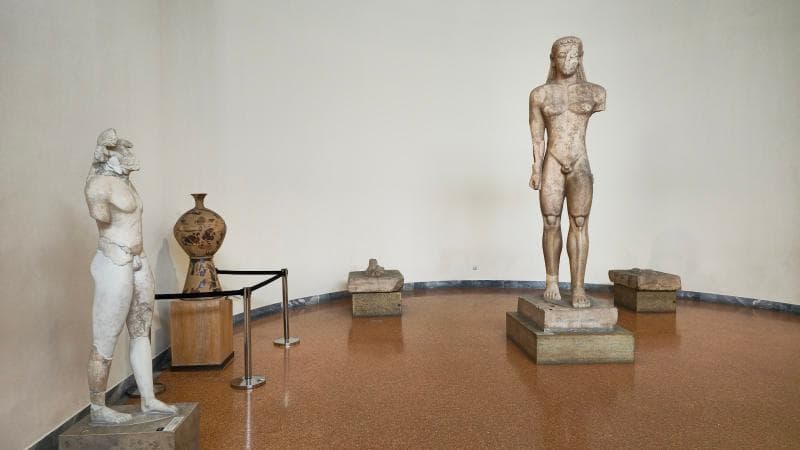
Explore the unique Egyptian Collection at the National Archaeological Museum in Athens, Greece, featuring ancient artifacts, mummies, and statues.
Overview
Stepping into the Egyptian Collection at the National Archaeological Museum in Athens, Greece, transports you from the heart of Hellenic history to the banks of the Nile. This remarkable sub-spot within Greece's largest museum offers a unique journey through ancient Egyptian civilization. It is considered one of the most impressive collections of Egyptian art globally, not only due to the rarity and importance of its exhibits but also because of its unexpected presence in Athens. Spread across two dedicated rooms (Rooms 40-41) on the ground floor, the collection showcases a comprehensive array of artifacts. Visitors can explore everything from monumental statues and intricate reliefs to delicate jewelry, ceramics, and even mummies, illustrating the rich tapestry of Egyptian life, art, and beliefs from prehistory to the Roman conquest.
History & Cultural Background
The genesis of Athens' Egyptian Collection dates back to the late 19th and early 20th centuries. It was largely assembled through the generous donations of Greek expatriates living in Egypt, most notably Ioannis Dimitriou from Alexandria in the 1880s, and Alexandros Rostovitch from Cairo in 1904. These benefactors bequeathed a vast number of antiquities, forming the core of what is now a distinguished collection. Further enhancing its richness, the Egyptian government made a significant donation in 1893, offering nine mummies from the era of the Pharaohs. The late curator Perikles Kourachanis played a pivotal role in the selection and presentation of these artifacts, meticulously curating the display to illustrate the evolution of Egyptian civilization, with a particular focus on the Pre-dynastic and Pharaonic periods, and the elaborate funerary customs of the Late period.
What Makes It Special
What truly sets the Egyptian Collection apart is its sheer scope and the quality of its holdings, making it unique in Greece and one of the finest worldwide. Housing over 6,000 artifacts in total, with approximately 1,100 currently on public display, the collection spans an immense timeframe from roughly 5000 BC to 354 AD. It comprehensively covers all facets of ancient Egyptian artistic expression and daily existence. Visitors encounter a diverse range of objects, including significant statues of pharaohs and civilians, votive and funerary stelae, beautifully crafted mummy covers, real mummies, and an array of ceramic, stone, and faience vessels. Jewelry, Canopic jars, and the evocative Fayoum portraits further enrich this exceptional display, offering profound insights into a civilization that flourished for millennia.
Stories, Fun Facts & Local Details
Among the many fascinating exhibits, a particularly captivating artifact is the wooden sarcophagus and the mummy of Hapi, also known as 'Khor,' son of Pami. Though dating from the later Ptolemaic period (around 304-150 BC), it remains a powerful and impressive centerpiece of the collection, often surprising visitors with its presence. The exhibition is meticulously arranged chronologically, allowing visitors to trace the development of Egyptian art and civilization through time. This thoughtful layout also subtly highlights the historical connections and mutual influences between ancient Egypt and Greece. Keep an eye out for impressive pieces like the black granite hippopotamus statue, a remarkable example of Egyptian sculpture. The collection is housed in Rooms 40 and 41, which provide a clear and educational path through the millennia of Egyptian history, complete with explanatory texts and maps to enrich the experience.
Visitor Perspective
For any curious traveler in Athens, dedicating time to the Egyptian Collection is a rewarding experience that offers a fresh perspective beyond purely Greek antiquities. Many visitors are pleasantly surprised to discover such a comprehensive and high-quality collection of Egyptian artifacts so far from the Nile. As you wander through the rooms, you're invited to engage with the magic, art, religion, and funerary customs of ancient Egypt, gaining an intimate understanding of their daily lives and profound beliefs. The chronological presentation simplifies navigation, making it easy to follow the historical narrative. It's an opportunity to appreciate the profound impact and enduring legacy of one of the world's oldest civilizations, all while standing in a premier archaeological museum in Greece. This collection serves as a testament to the interconnectedness of ancient cultures and the universal human quest for expression and meaning.
Coordinates: 23.73222, 37.98917
View on Google Maps💬 How Travelers Describe This Place
Based on community votes
Beautiful
551Must See
547Photogenic
421Unique
298Interesting
212
Traveler Stories
Discover memorable experiences shared by travelers who have visited this place.
No traveler stories yet.
Be the first traveler to share what made this place memorable.

Tour
By
Spot
Discover amazing places around the world. Your journey starts here.
Explore
© 2026 TourBySpot. All rights reserved.