Mount Vitosha
Sofia, Bulgaria
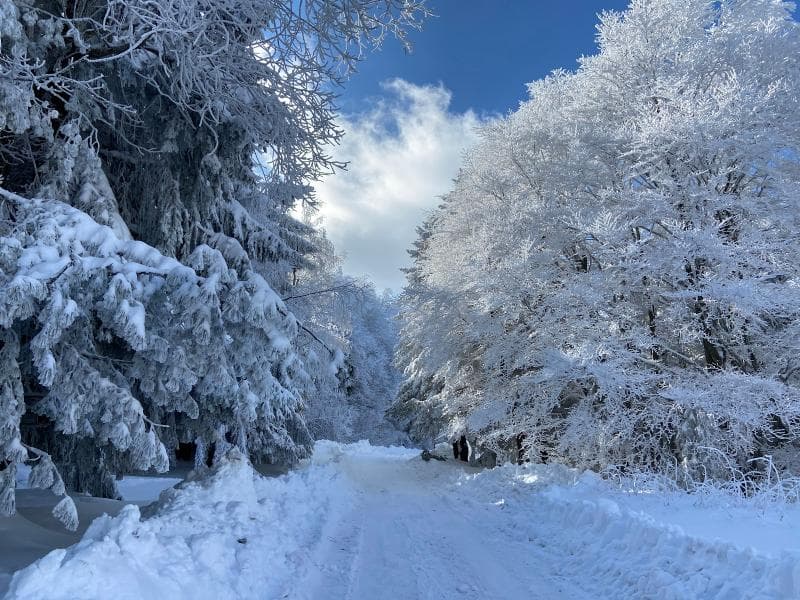
Discover Mount Vitosha in Sofia, Bulgaria, a majestic dome-shaped mountain offering hiking, skiing, and rich history in the Balkans' oldest nature park.
Overview
Mount Vitosha, an imposing mountain massif, stands as a defining natural landmark on the very outskirts of Sofia, the capital of Bulgaria. Easily accessible and omnipresent, its distinctive dome-shaped silhouette is a constant companion to the city, making it a cherished symbol of Sofia. Rising to an elevation of 2290 meters (7,520 ft) at its highest point, Cherni Vrah, or 'Black Peak', Vitosha is the fourth highest mountain in Bulgaria. Its geological story is one of volcanic activity, followed by the slow folding of granite rock layers and gradual uplifts, which shaped its unique form of concentric denudational plateaus.
A significant portion of the mountain is encompassed by Vitosha Nature Park, proudly holding the distinction of being the oldest nature park in the Balkans, established in 1934. Spanning an impressive 266.06 square kilometers (27,079 hectares), the park is a natural haven offering a rich tapestry of climates, flora, and fauna, owing to its varied elevations. Vitosha serves as an invaluable retreat for both residents and visitors of Sofia, providing an abundance of opportunities for outdoor recreation throughout all seasons.
History & Cultural Background
The history of Mount Vitosha is deeply intertwined with the human settlements that have thrived at its base for millennia. Ancient Thracians, dating back as early as 5000 BCE, revered the mountain as a sacred place, erecting numerous sanctuaries and altars on its slopes. This profound connection between the mountain and human activity has influenced the region's economy for over 4,000 years. In the Middle Ages, Vitosha gained renown as a spiritual hub, often referred to as the 'Bulgarian Little Mount Athos', home to numerous monasteries and hermitages. The Boyana Church, a UNESCO World Heritage site located on Vitosha's northern slopes, boasts remarkable 13th-century frescoes that are considered significant precursors to the Renaissance.
During the Ottoman invasion, many of Vitosha's monasteries were tragically destroyed. However, the mountain itself became a protector of the Bulgarian people during the centuries of Ottoman rule, symbolizing resilience and identity. A pivotal moment in modern Bulgarian history and tourism occurred in 1895 when the celebrated writer Aleko Konstantinov organized the first mass ascent to Cherni Vrah, inspiring the establishment of the country's first tourist association. This event marked the birth of organized tourism in Bulgaria, firmly rooting Vitosha in the national consciousness as a destination for exploration and appreciation of nature.
What Makes It Special
Vitosha's distinctiveness stems from a combination of its unique geological formations and its ecological significance. Its dome-shaped appearance, a direct result of ancient volcanic activity, sets it apart as the only mountain of this type in Bulgaria. One of its most captivating features is the phenomenon known as 'stone rivers', or Moraeni, notably observed at Zlatnite Mostove (The Golden Bridges). These are ribbons of enormous boulders flowing down the mountainside, a geological marvel that has puzzled scientists and fascinated visitors alike.
As the oldest nature park in the Balkans, Vitosha is a biodiversity hotspot. It harbors an astonishing variety of life, including approximately 1,500 species of higher plants, with some endemic to the region, such as the famous Vitosha tulip, and over 30 species of orchids. The park is home to two critical nature reserves, Bistrishko Branishte and Torfeno Branishte, which protect unique ecosystems like high-mountain peat areas. Additionally, the mountain is the source of the Struma River, one of southwestern Bulgaria's longest rivers, and conceals Duhlata Cave, the longest cave in Bulgaria. Near the village of Bosnek, Duhlata Cave extends for an impressive 18,200 meters.
Stories, Fun Facts & Local Details
Mount Vitosha is more than just a landscape; it's a living repository of stories and local charm. Its very name, 'Vitosha', believed to originate from the 11th century, is thought to mean 'divided' or 'two slices', hinting at its twin-ridged structure. For Sofia's inhabitants, Vitosha is often described as the 'soul' of the city, a place of inspiration for poets and writers, offering a vital escape from urban life.
A notable fun fact is that the weather on Vitosha can be dramatically different from Sofia; temperatures at higher elevations are often 10°C lower than in the city, making it a refreshing summer retreat. The mountain is also known as the foggiest in Bulgaria, a characteristic that adds to its mystique. Cherni Vrah, the highest peak, is not just a hiking destination but also houses a meteorological station built in 1935, which still operates as a rest shelter and mountain rescue headquarters. Vitosha hosts various cultural events, including the annual Vitosha 100K Ultramarathon, drawing athletes globally, and folklore festivals celebrating Bulgarian traditions.
Visitor Perspective
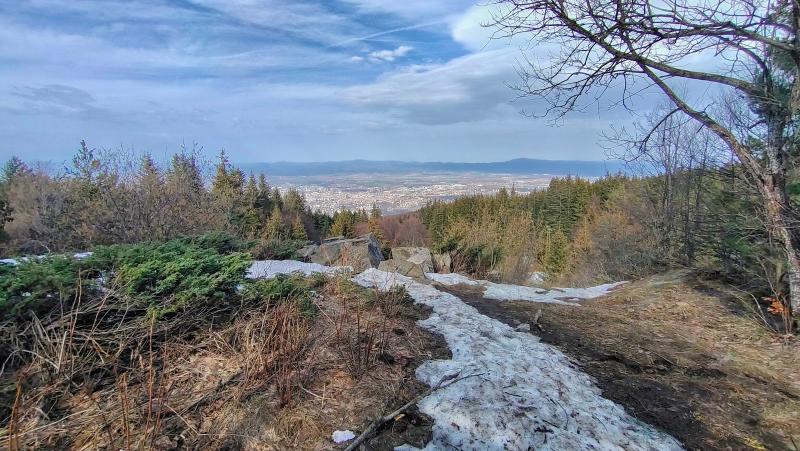
Vitosha's proximity to Sofia ensures its popularity as an outdoor playground, easily reachable by public transport, including buses and trams. It offers diverse activities for every season. In warmer months, hikers can explore a network of well-marked trails, ranging from leisurely walks around Boyana Lake to challenging ascents to Cherni Vrah, which reward with breathtaking panoramic views of Sofia and the surrounding ranges.
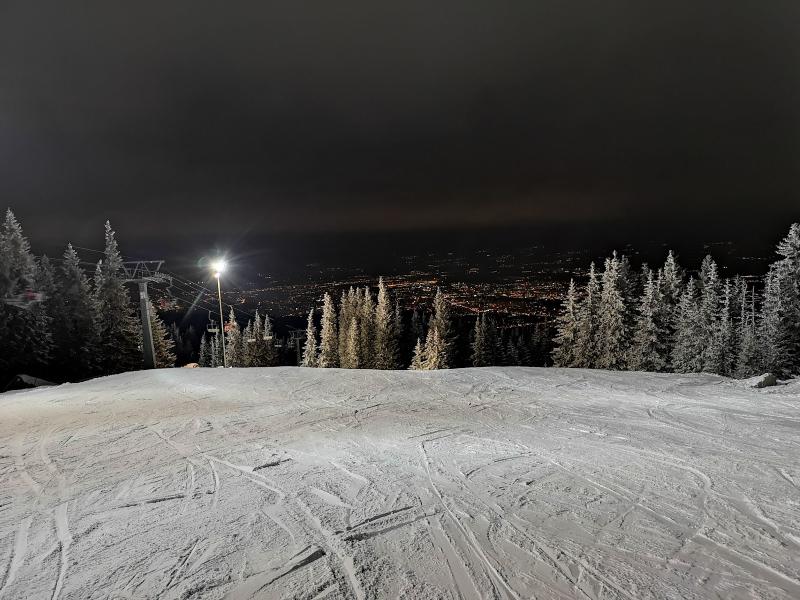
Winter transforms Vitosha into a bustling destination for snow sports. Ski centers like Aleko and Konyarnika provide pistes and lifts suitable for all skill levels, along with opportunities for snowboarding, sledding, and cross-country skiing, with equipment rentals readily available. Beyond the natural allure, visitors can delve into cultural treasures like the medieval Boyana Church and the Dragalevtsi Monastery, offering insights into Bulgaria's rich history and Orthodox art. With over 40 mountain huts and shelters, many offering basic meals, Vitosha caters to adventurers seeking both rustic charm and convenient amenities. The best times to visit for hiking are spring and autumn, when the weather is mild and the trails are less crowded, while winter is ideal for snow enthusiasts.
Coordinates: 23.283, 42.567
View on Google Maps💬 How Travelers Describe This Place
Based on community votes
Unique
556Photogenic
470Must See
269Interesting
254Beautiful
145
Traveler Stories
Discover memorable experiences shared by travelers who have visited this place.
No traveler stories yet.
Be the first traveler to share what made this place memorable.
Things to see at Mount Vitosha




Tour
By
Spot
Discover amazing places around the world. Your journey starts here.
Explore
© 2026 TourBySpot. All rights reserved.