Viewpoints
Sofia, Bulgaria
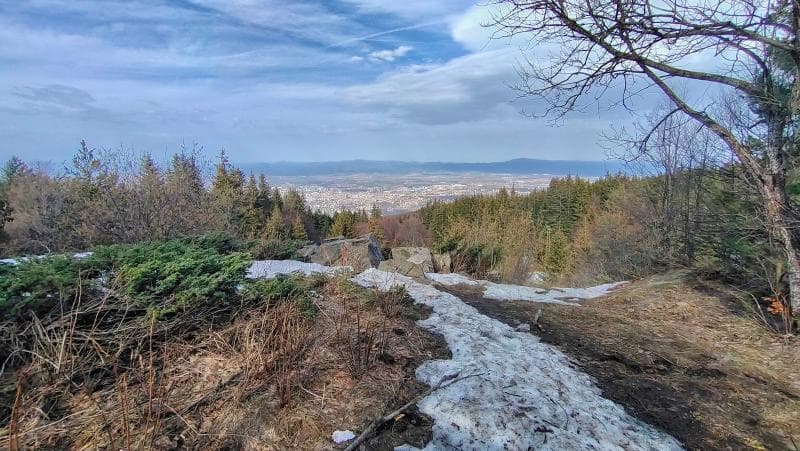
Discover the stunning viewpoints of Mount Vitosha in Sofia, Bulgaria, offering panoramic cityscapes, unique stone rivers, and rich cultural history.
Overview
Perched majestically above Sofia, Bulgaria's vibrant capital, Mount Vitosha serves as an indispensable natural escape, offering a breathtaking panorama of the city and its surrounding landscapes. As an enormous dome-shaped massif, Vitosha is not merely a mountain; it is a cherished natural park, easily accessible and beloved by both locals and curious travelers. The 'Viewpoints' within Vitosha are not singular locations but a collection of awe-inspiring spots, each revealing a unique perspective of Sofia, the Balkan Mountains, and even the distant peaks of Rila on clear days. From the highest reaches of Cherni Vrah to the fascinating stone rivers of Zlatnite Mostove and the commanding vista from Kopitoto, these spots provide unparalleled opportunities for reflection and photography, making Vitosha a true gem of the region.
History & Cultural Background
Vitosha holds a significant place in Bulgaria's history and national identity. Established in 1934, Vitosha Nature Park is celebrated as the first park of its kind in Bulgaria and across the entire Balkan Peninsula. Its slopes have long been a focal point for outdoor enthusiasts. Organized tourism in Bulgaria is deeply rooted here, with the celebrated Bulgarian writer and public figure Aleko Konstantinov leading the first mass ascent of Cherni Vrah on August 27, 1895, an event that gathered over 300 people, including other prominent cultural figures. The area of Zlatnite Mostove, with its distinctive stone rivers, has been a draw for Sofia residents for at least two centuries, inspiring writers and artists during the National Revival period and contributing to its cultural significance.
What Makes It Special
What truly sets Vitosha's viewpoints apart is their dramatic contrast and accessibility. Rarely does a capital city boast such a magnificent natural backdrop, offering both urban refinement and untamed wilderness within easy reach. The mountain's highest peak, Cherni Vrah, at 2,290 meters, rewards hikers with sweeping views of the valleys below, Sofia's cityscape, and the distant mountain ranges. Another unique feature is Zlatnite Mostove, or 'Golden Bridges,' a spectacular geological phenomenon consisting of an enormous 'stone river' of rounded boulders. The golden hue of lichens covering these rocks, particularly in the afternoon sun, is believed to have inspired its poetic name. Kopitoto, meaning 'The Hoof,' provides an iconic vantage point, particularly captivating at sunset when the city lights begin to twinkle, earning it a reputation as Sofia's best viewpoint.
Stories, Fun Facts & Local Details
Vitosha is steeped in local lore and fascinating details. The very name 'Kopitoto' ('The Hoof') comes from the distinctive shape of the rocky outcrop where the TV tower stands, making it a visible landmark from across Sofia. The unique 'stone rivers' of Zlatnite Mostove, though once mistakenly thought to be glacial moraines, are now understood to be formed by the spherical weathering of syenite rocks and their gradual movement over time. It's also a fun fact that Aleko Konstantinov's pioneering ascent of Cherni Vrah sparked a national passion for mountaineering. On clear days, the meteorological station at Cherni Vrah offers not just warmth and refreshments, but also a tangible connection to the elements at the mountain's summit. Vitosha is considered the 'lungs' of Sofia, providing clean air and a cherished escape from the city's hustle and bustle.
Visitor Perspective
Exploring Vitosha's viewpoints offers a diverse experience for every type of traveler. Whether you prefer a vigorous hike or a leisurely drive, the mountain is remarkably accessible. Public transport, including buses and even a gondola lift from Simeonovo, connects various starting points to key areas like Aleko Hut and Zlatnite Mostove. Numerous well-marked trails cater to different fitness levels, from easy strolls through fragrant pine forests to more challenging ascents to the peaks. Spring and autumn are often cited as the best seasons to visit, offering mild weather, clear skies, and a vibrant display of nature's colors, while winter transforms the landscape into a snowy wonderland. The journey to these viewpoints is often as rewarding as the destination itself, providing a calming immersion in nature that is a treasured aspect of life in Sofia.
Coordinates: 23.27, 42.59
View on Google Maps💬 How Travelers Describe This Place
Based on community votes
Unique
791Interesting
514Beautiful
457Must See
252Photogenic
207
Traveler Stories
Discover memorable experiences shared by travelers who have visited this place.
No traveler stories yet.
Be the first traveler to share what made this place memorable.

Tour
By
Spot
Discover amazing places around the world. Your journey starts here.
Explore
© 2026 TourBySpot. All rights reserved.