Dragalevtsi Area
Sofia, Bulgaria
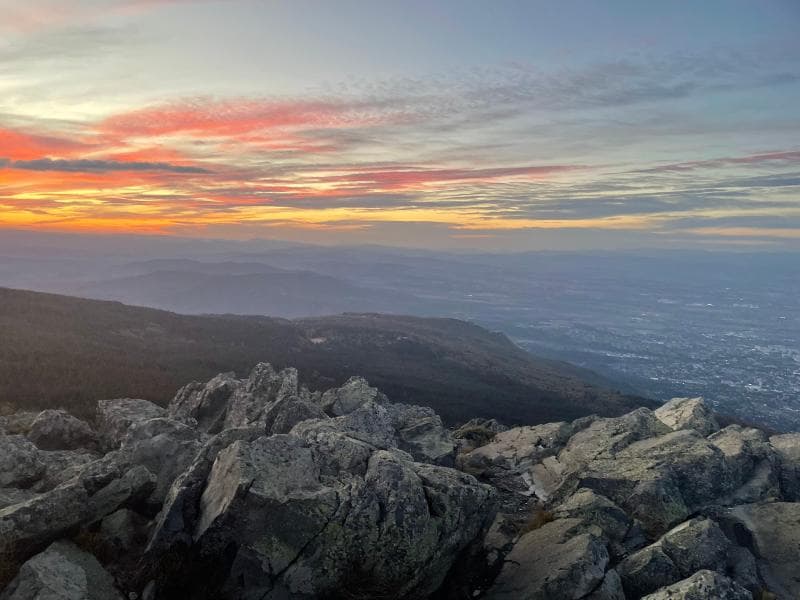
Explore Dragalevtsi Area in Sofia, Bulgaria, a historical gateway to Mount Vitosha, home to the ancient Dragalevtsi Monastery and scenic hiking trails.
Overview
Nestled at the southwestern foot of Mount Vitosha, the Dragalevtsi Area is a distinguished quarter of Sofia, Bulgaria. It is renowned for its harmonious blend of affluent residential living and immediate access to the natural splendor and historical depth of Vitosha Mountain. This area, once an independent village, has evolved into an exclusive locale, offering a unique escape from the urban bustle while remaining conveniently close to the city center. Dragalevtsi serves as a gateway to numerous outdoor adventures and is home to one of Bulgaria's most historically significant spiritual sites: the Dragalevtsi Monastery.
History & Cultural Background
The heart of Dragalevtsi's cultural heritage lies within the Dragalevtsi Monastery of the Holy Mother of God of Vitosha. Founded around 1345 by Tsar Ivan Alexander during the Second Bulgarian Empire, it was an integral part of the 'Sofia Saint Forest'—a protective ring of monasteries around Sofia that fostered spiritual and cultural life. Following the Ottoman conquest of Sofia in 1382, the monastery was tragically abandoned and its buildings largely destroyed. However, a new chapter began in the late 15th century when local boyar Radoslav Mavur provided funds for its restoration in 1476. This rebuilding marked its resurgence as a vital literary and spiritual hub, playing a crucial role in preserving Bulgarian language, art, and traditions during centuries of Ottoman rule. The monastery even housed a cell school, contributing to the education and enlightenment of the populace.
What Makes It Special
What truly sets Dragalevtsi apart is its unique combination of serene nature and profound history. The Dragalevtsi Monastery, a cultural monument of national importance, boasts an exquisite collection of frescoes dating from the 15th and 17th centuries, offering a vivid glimpse into Bulgarian Orthodox artistry. Stepping inside the modest 15th-century church, visitors are greeted by an ornate iconostasis and beautifully preserved murals that tell biblical stories and depict revered saints. Beyond the monastery walls, the area provides direct access to Mount Vitosha, inviting exploration of its diverse landscapes. The Vitosha Nature Information Center, located in Dragalevtsi, offers valuable insights and maps for those eager to discover the mountain's trails and ecosystems. The presence of local parks and green spaces further enhances its appeal as a tranquil retreat.
Stories, Fun Facts & Local Details
The Dragalevtsi Monastery holds a cherished place in Bulgarian national memory, particularly for its connection to the country's struggle for liberation. In the mid-19th century, the monastery became a clandestine center for revolutionary activities against Ottoman rule. Its abbot, Genadii, was a trusted confidant and collaborator of Bulgaria's national hero, Vasil Levski. Levski, a pivotal figure in the independence movement, frequently used the monastery as a safe haven and a base for organizing revolutionary committees. This rich history has earned the monastery the affectionate local moniker of 'royal' due to the generous donations it received from medieval Bulgarian rulers, including Tsar Ivan Shishman. The area's legacy is further honored by naming the local school after Vasil Levski, with signs guiding visitors along paths he once walked.
Visitor Perspective
For the curious traveler, Dragalevtsi offers a multifaceted experience. The area provides a peaceful atmosphere, far removed from the city's hustle, making it an ideal spot for relaxation and reflection. Many visitors combine a trip to the monastery with leisurely strolls or more vigorous hikes into Mount Vitosha. Marked trails from Dragalevtsi lead to various points of interest, including the majestic Cherni Vrah (Black Peak) and the scenic Boyana Waterfall. While historically the Dragalevtsi chairlift offered a convenient ascent to higher elevations like the Aleko hut, it is currently undergoing reconstruction. Nevertheless, the area remains easily accessible by car and public transport, with several bus lines connecting it to Sofia's city center. Whether seeking spiritual solace, historical enlightenment, or simply a breath of fresh mountain air, Dragalevtsi provides a rich and authentic Bulgarian experience at the doorstep of the capital.
Coordinates: 23.2928, 42.6183
View on Google Maps💬 How Travelers Describe This Place
Based on community votes
Beautiful
963Unique
723Photogenic
482Must See
463Interesting
274
Traveler Stories
Discover memorable experiences shared by travelers who have visited this place.
No traveler stories yet.
Be the first traveler to share what made this place memorable.

Tour
By
Spot
Discover amazing places around the world. Your journey starts here.
Explore
© 2026 TourBySpot. All rights reserved.