Ski Slopes
Sofia, Bulgaria
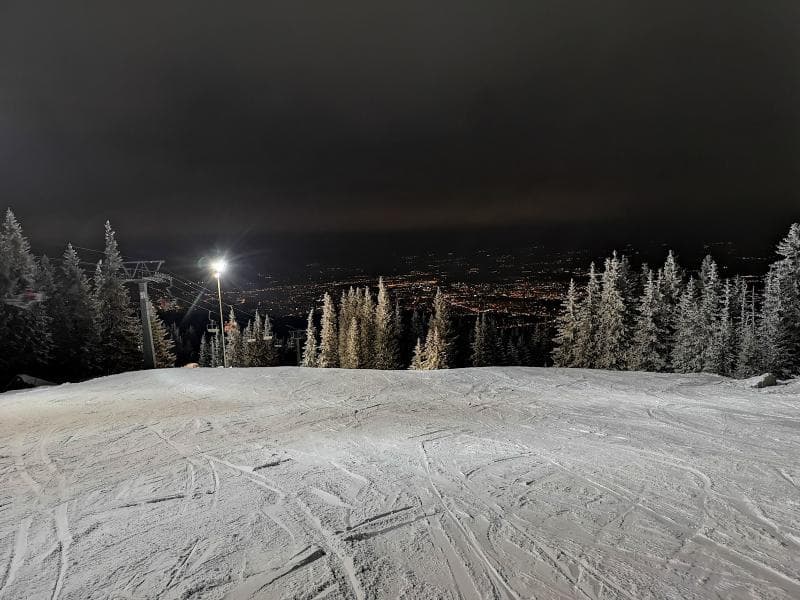
Discover the ski slopes of Mount Vitosha in Sofia, Bulgaria, offering accessible winter sports, panoramic city views, and historical charm just minutes from the capital.
Overview
Nestled on the slopes of Mount Vitosha, just a stone's throw from Bulgaria's vibrant capital, Sofia, lies a cherished winter sports destination. The ski slopes of Vitosha offer a unique escape for both local residents and curious travelers seeking snowy adventures with a panoramic city backdrop. The primary ski area, Aleko, is situated at an altitude of approximately 1,800 meters above sea level, making it one of the most accessible high-altitude resorts in the country [4, 9]. The ski season typically runs from early December until mid-April, boasting a stable snow cover that can reach up to 1.5 meters [6, 10].
With a variety of slopes ranging from easy to challenging, Vitosha caters to all skill levels, from beginners taking their first gliding steps to experienced skiers seeking a thrill [9, 10]. The resort features several lifts, including a gondola from the Simeonovo district of Sofia, chairlifts, and drag lifts, ensuring convenient access to the pistes [5, 9]. In total, the ski areas on Vitosha offer approximately 20 to 29 kilometers of slopes, providing ample space for winter fun [5, 12, 13].
History & Cultural Background
The history of skiing on Mount Vitosha is deeply intertwined with Bulgaria's tourism development. The Aleko ski center holds the distinction of being the oldest and most visited ski center in Bulgaria [9]. A significant milestone occurred on January 10, 1954, when the first ski lift in Bulgaria was inaugurated near the Aleko Hut in Vitosha, marking the beginning of mechanized ski ascents in the Bulgarian mountains [21]. This pioneering lift, 700 meters long with 33 seats, could transport over 120 people per hour [21].
Mount Vitosha, and specifically the Aleko area, played a prominent role in international winter sports, notably hosting the Winter Universiade in 1983 and 1989 [7, 25]. The mountain's rich heritage also connects to the famous Bulgarian writer Aleko Konstantinov, who is credited with establishing the country's first tourist organization and leading the initial group climb of Cherni Vrah, Vitosha's highest peak [7, 28]. The Aleko chalet itself, built between 1924 and 1932, is a testament to this enduring legacy, named in his honor [7].
What Makes It Special
What truly sets the ski slopes of Mount Vitosha apart is their incredible proximity to a major European capital. Sofia is unique in having such a majestic mountain massif, with its highest peak Cherni Vrah at 2,290 meters, practically on its doorstep [6, 24]. This allows visitors and residents alike to transition from urban exploration to mountain adventure in a matter of minutes, often within a 30 to 40-minute drive from the city center [8, 11].
The views from the Vitosha ski slopes are breathtaking, offering sweeping panoramas of Sofia that are particularly enchanting during day and night skiing sessions [4, 11]. The mountain itself, characterized by its distinctive dome shape, is enveloped within the Vitosha Nature Park, the oldest nature park in the Balkans, established in 1934 [20, 24, 27]. This protected status ensures a natural and serene environment for winter sports enthusiasts, featuring forest-lined runs that provide natural windbreaks [4]. Furthermore, the opportunity for night skiing on illuminated pistes, such as the Laleto 1 track, adds a magical dimension to the experience, allowing for an incredible adventure under the stars [10, 11, 13].
Stories, Fun Facts & Local Details
One of the most popular and oldest ski runs on Vitosha is affectionately known as 'Stenata,' meaning 'The Wall' [7]. For those seeking more challenging terrain, 'Vitoshko Lale' is recognized as one of the longest and most difficult runs, originally developed for the 1983 Winter Universiade [7, 13]. Sofia has even harbored ambitions of hosting the Winter Olympic Games, coming remarkably close to securing the bid for the 1992 Games [8].
Local mountain huts, like Aleko Chalet, are not just places for shelter but also cultural hubs where one can savor traditional Bulgarian cuisine, such as hearty soups and grilled meats, providing a warm and authentic experience after a day on the snow [4]. The mountain's changeable weather, though sometimes a challenge, is also part of its character, leading to conditions where Sofia might be overcast while Vitosha enjoys bright sunshine due to climatic inversion [6, 12]. The very name 'Vitosha' is believed to derive from an Old Bulgarian word meaning 'two-peaked' or 'divided', reflecting its geological formation [24, 28].
Visitor Perspective
For visitors, the convenience of reaching Vitosha's ski slopes is a major draw. Public transport and a gondola lift from Sofia's Simeonovo district make it highly accessible, eliminating the need for extensive travel [5, 9]. Upon arrival, ski schools, with instructors fluent in various languages, are readily available, making it an ideal spot for beginners and those looking to refine their skills [18]. Equipment rental is also convenient, with options available at the gondola station and Aleko hut [8, 13].
While the resort offers a range of terrain, it is often highlighted as particularly suitable for intermediates and beginners, though dedicated slopes exist for more advanced skiers and even for regional slalom competitions [4, 18]. The experience of skiing while looking down upon the sprawling capital city is truly unforgettable, offering a unique blend of urban charm and alpine exhilaration. Despite some older lift infrastructure, the overall appeal lies in its welcoming atmosphere, stunning scenery, and the sheer joy of accessing quality skiing so close to a vibrant city [14, 22].
Coordinates: 23.29222, 42.5825
View on Google Maps💬 How Travelers Describe This Place
Based on community votes
Must See
540Photogenic
252Unique
147Beautiful
114Interesting
19
Traveler Stories
Discover memorable experiences shared by travelers who have visited this place.
No traveler stories yet.
Be the first traveler to share what made this place memorable.

Tour
By
Spot
Discover amazing places around the world. Your journey starts here.
Explore
© 2026 TourBySpot. All rights reserved.