Golden Bridges
Sofia, Bulgaria
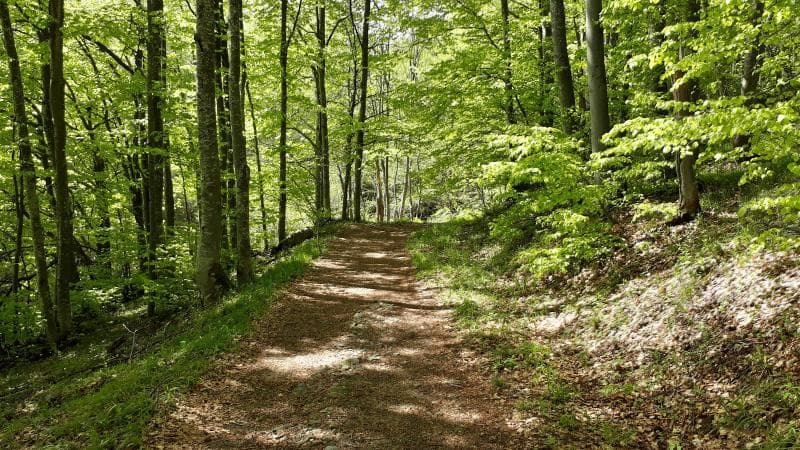
Explore Golden Bridges, a stunning stone river in Mount Vitosha, Sofia, Bulgaria. Discover its unique geology, hiking trails, and golden-hued boulders.
Overview
Nestled within the verdant embrace of Mount Vitosha, just a short journey from Sofia, Bulgaria's bustling capital, lies the captivating natural wonder known as Golden Bridges, or Zlatnite Mostove in Bulgarian. This extraordinary 'stone river' is not a typical flowing waterway, but rather a spectacular geological formation composed of massive, rounded granite boulders and stone blocks. Stretching for approximately 2.2 kilometers along the Vladayska River valley and reaching up to 150 meters in width, it presents an unusual landscape that has long drawn both locals and visitors alike. Golden Bridges is a prominent feature within the Vitosha Nature Park, the oldest protected area of its kind in the Balkans, established in 1934. This makes it one of the world's few nature parks directly adjacent to a national capital, offering an easily accessible escape into nature's grandeur.
History & Cultural Background
The formation of Golden Bridges is a testament to the powerful forces of nature over millennia. Scientifically classified as a periglacial boulder stream or blockfield, it was shaped during the Pleistocene cold periods, not by glaciers as was once believed, but through intensive frost weathering (cryoclasty) and solifluction. Frost-shattered syenite rocks, a coarse-grained igneous material, slowly moved downslope under the influence of gravity and water, eventually accumulating into the vast stone river visible today.
The Vitosha mountain range, including the Golden Bridges area, has a rich human history. It has been used for various purposes by Sofia's inhabitants throughout history, from summer pastures to timber harvesting. As early as the 19th century, the Golden Bridges became a beloved excursion destination for city dwellers, attracting artists and writers seeking inspiration in its unique beauty. The protection of Vitosha as a nature park in 1934 formalized its conservation, ensuring that this natural heritage could be enjoyed by future generations.
What Makes It Special
What truly sets Golden Bridges apart is its remarkable geological character and the sensory experience it offers. It stands as the largest and most accessible stone river on Mount Vitosha, making it a prime example of a periglacial landform in Bulgaria. The sheer scale of the boulder field, with rocks varying in size, creates a unique spectacle. Visitors can walk directly on and across these enormous stones, offering an unusual tactile and visual encounter. Below the surface, the Vladayska River flows, its waters often completely hidden beneath the rocky expanse, creating an audible murmur that adds to the site's mystical appeal.
Beyond its geological prominence, the area is rich in biodiversity. The boulder field itself provides a unique microclimate and habitat for specialized invertebrates and lizards, with green lizards often seen basking on the warm rock surfaces during summer. The surrounding pine and spruce forests are home to a diverse array of woodland birds and mammals, including deer, foxes, and even larger species like brown bears and wild boars, though these larger animals are more nocturnal visitors.
Stories, Fun Facts & Local Details
The enchanting name 'Golden Bridges' itself carries a fascinating story. One widely accepted explanation attributes the 'golden' hue to the vibrant yellowish lichens that thrive on the surface of the boulders. When illuminated by the sun, especially during sunrise or sunset, these lichens glow with a golden warmth, giving the entire stone river a magical appearance. The 'bridges' aspect refers to the natural pathways formed by the large, rounded stones, allowing people to literally walk over the hidden riverbed. Another intriguing, though less common, theory suggests the name might stem from the historical presence of gold-bearing sands in the Vladayska River.
Golden Bridges has long been a source of inspiration, even for notable Bulgarian figures like Aleko Konstantinov, a revered writer who frequently visited the area. Its unique geology was initially misinterpreted; for a long time, these formations were thought to be glacial moraines, but scientific research later clarified their true periglacial origin, a colder, non-glacial process of rock movement. The proximity of Vitosha to Sofia is often cited as one of the capital's greatest assets, offering immediate access to mountain air and stunning scenery.
Visitor Perspective
For the curious traveler, Golden Bridges offers a refreshing escape and a range of outdoor activities. Its accessibility is a major draw; it can be reached easily by car or public transport (such as bus #63 or #163) from Sofia, with parking facilities available near the site. The area serves as an excellent starting point for numerous hiking trails, catering to all levels of fitness. From leisurely strolls perfect for families to more challenging routes leading to prominent Vitosha landmarks like the Boyana Waterfall or the highest peak, Cherni Vrah, there is a path for every adventurer.
Along the trails and near the main parking area, visitors will find several mountain huts and restaurants offering simple, hearty Bulgarian fare and refreshments, perfect for a break after exploring. While beautiful year-round, the period from late spring to early autumn (May to October) is generally considered the most pleasant for hiking, when the weather is mild and the lichens are at their most vibrant. However, for those equipped for it, winter transforms the landscape into a serene wonderland, popular for snowshoeing and cross-country skiing. When visiting, it's always advisable to wear sturdy hiking shoes due to the uneven and potentially slippery boulders and to dress in layers as mountain weather can change rapidly.
Coordinates: 23.24056, 42.60917
View on Google Maps💬 How Travelers Describe This Place
Based on community votes
Photogenic
457Interesting
252Beautiful
147Must See
114Unique
19
Traveler Stories
Discover memorable experiences shared by travelers who have visited this place.
No traveler stories yet.
Be the first traveler to share what made this place memorable.

Tour
By
Spot
Discover amazing places around the world. Your journey starts here.
Explore
© 2026 TourBySpot. All rights reserved.