Meiji Shrine
Tokyo, Japan
Discover Meiji Shrine in Tokyo, Japan – a serene Shinto sanctuary dedicated to Emperor Meiji, nestled within a vast, historic forest oasis.
Overview
Tucked away amidst the vibrant, bustling heart of Tokyo lies Meiji Shrine, or Meiji Jingu, a tranquil Shinto sanctuary that offers a profound escape into nature and Japanese history. Dedicated to the deified spirits of Emperor Meiji and his consort, Empress Shoken, this sacred site stands as a monumental tribute to their contributions during a pivotal period of Japan's modernization.
Despite its location in one of the world's busiest cities, the shrine is embraced by a sprawling, man-made forest covering approximately 70 hectares. This 'eternal forest' is a carefully cultivated ecosystem of around 100,000 trees, donated from all over Japan when the shrine was constructed, creating an immediate sense of peace and reverence upon entering.
Visitors are drawn to Meiji Jingu not only for its spiritual significance but also for its unique blend of cultural heritage and natural beauty. It's a place where the sounds of the city fade away, replaced by the rustling leaves and the distant murmur of worship, offering a unique opportunity to connect with Japan's imperial past and Shinto traditions.
History & Cultural Background
The story of Meiji Shrine begins with Emperor Meiji, who reigned from 1867 to 1912. He presided over the Meiji Restoration, a revolutionary period that saw Japan transform from an isolated, feudal society into a modern, industrialized nation. His passing in 1912, followed by Empress Shoken's in 1914, spurred a nationwide desire to commemorate their legacy.
Construction of the shrine commenced in 1915, and it was officially dedicated on November 1, 1920. The ambitious project of planting the surrounding forest involved an extraordinary national effort, with approximately 110,000 volunteers contributing labor and trees sourced from every corner of Japan. This collective endeavor symbolized national unity and gratitude. Tragically, the original shrine buildings were destroyed during the air raids of World War II. However, through widespread public donations and national support, the shrine was meticulously rebuilt and restored, reopening in 1958.
Today, Meiji Jingu continues to serve as a vital spiritual landmark, representing the prosperity of the imperial household, the peace of Japan, and the world. Its enduring presence reflects a deep respect for the imperial family and a commitment to preserving the cultural and spiritual foundations of modern Japan.
What Makes It Special
Meiji Jingu's most striking feature is undoubtedly its vast forest, an incredible green lung in the heart of metropolitan Tokyo. This deliberately cultivated woodland, designed to thrive naturally over centuries, provides an unparalleled sanctuary from urban life. Walking beneath the towering trees, visitors experience a serene transition, leaving the city's hustle behind.
The shrine complex itself is distinguished by its magnificent wooden architecture, built in the traditional nagare-zukuri style, primarily using Japanese cypress and copper. The immense torii gates marking the entrances are among the largest in Japan, with the main cypress gate standing at 12 meters tall, creating an imposing yet welcoming threshold into the sacred grounds. Beyond the main shrine, the Inner Garden (Gyoen) is another highlight. Once belonging to feudal lords, this garden features a charming tea house, a rustic gazebo, and a famous iris garden that blooms spectacularly in mid-June.
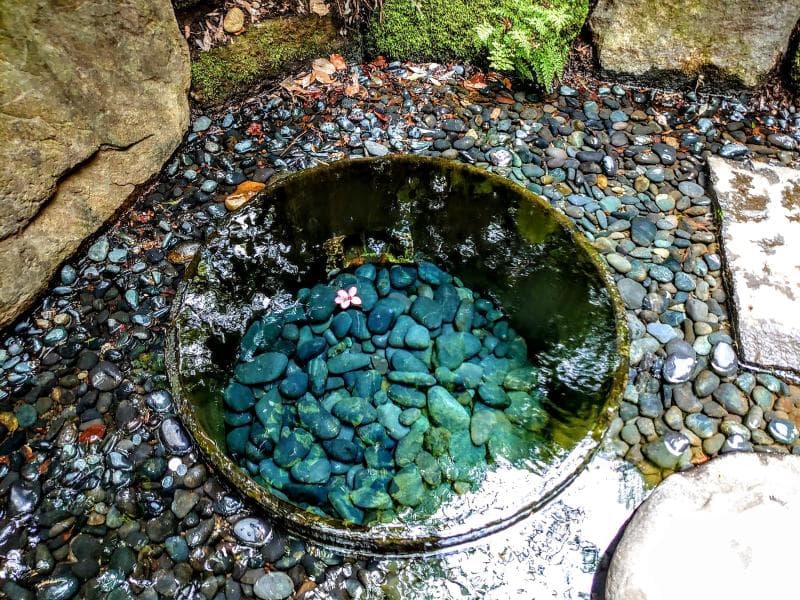
Within the Inner Garden also lies Kiyomasa's Well, a revered 'power spot' believed to offer positive and restorative energy. The combination of profound natural beauty, grand traditional architecture, and a palpable sense of history makes Meiji Jingu a truly unique destination.
Stories, Fun Facts & Local Details
One of the most visually interesting sights at Meiji Jingu is the impressive display of sake and wine barrels, lining the approach to the main shrine. The sake barrels are offerings from brewers across Japan, symbolizing their respect for the enshrined deities and Emperor Meiji's support of domestic industry. Conversely, the wine barrels are gifts from celebrated Burgundy wineries in France, a nod to Emperor Meiji's appreciation for Western culture, including his enjoyment of wine.
The planting of the shrine's forest itself is a powerful story of national dedication. Over 100,000 trees, representing diverse species from all regions of Japan and even Japanese territories like Taiwan and Karafuto at the time, were contributed. These trees were planted with the intention of creating a self-sustaining ecosystem that would mature over a century, a vision that has remarkably come to fruition.
Meiji Jingu is also a living center for Shinto rituals. Traditional Shinto weddings are frequently held here, especially on weekends, offering visitors a chance to quietly observe these beautiful ceremonies from a distance. Furthermore, the shrine attracts over three million visitors for Hatsumode, Japan's first shrine visit of the New Year, making it the most popular shrine for this significant annual tradition. The Meiji Jingu Museum, designed by renowned architect Kengo Kuma and opened in 2019, houses artifacts and historical materials related to the Emperor and Empress, blending modern design with traditional aesthetics.
Visitor Perspective
Visiting Meiji Jingu offers a profoundly serene experience, a stark and welcoming contrast to the energetic pace of Tokyo. As you pass through the colossal torii gates and walk along the gravel paths, the urban noise gradually recedes, replaced by the calm sounds of nature. Early mornings, particularly on weekdays, are often recommended for the most peaceful visit, allowing for quiet contemplation and optimal photography conditions with beautiful morning light filtering through the canopy.
While the main shrine grounds are free to enter, a small admission fee applies to access the Inner Garden and the Meiji Jingu Museum. It is customary to purify oneself at the 'temizuya' (water ablution station) before approaching the main hall, by washing hands and rinsing the mouth, signifying respect for the sacred space. When making an offering or praying, the basic etiquette is 'two bows, two claps, one bow'. Plan for at least 1-2 hours to explore the main shrine, and more if you intend to visit the Inner Garden or Museum. Meiji Jingu provides a unique opportunity to immerse oneself in Japan's spiritual heritage and natural tranquility, making it an essential stop for any traveler to Tokyo.
Coordinates: 139.69917, 35.67611
View on Google Maps💬 How Travelers Describe This Place
Based on community votes
Unique
722Beautiful
698Photogenic
358Must See
126Interesting
19
Traveler Stories
Discover memorable experiences shared by travelers who have visited this place.
No traveler stories yet.
Be the first traveler to share what made this place memorable.
Things to see at Meiji Shrine



Tour
By
Spot
Discover amazing places around the world. Your journey starts here.
Explore
© 2026 TourBySpot. All rights reserved.