Treasure Museum
Tokyo, Japan
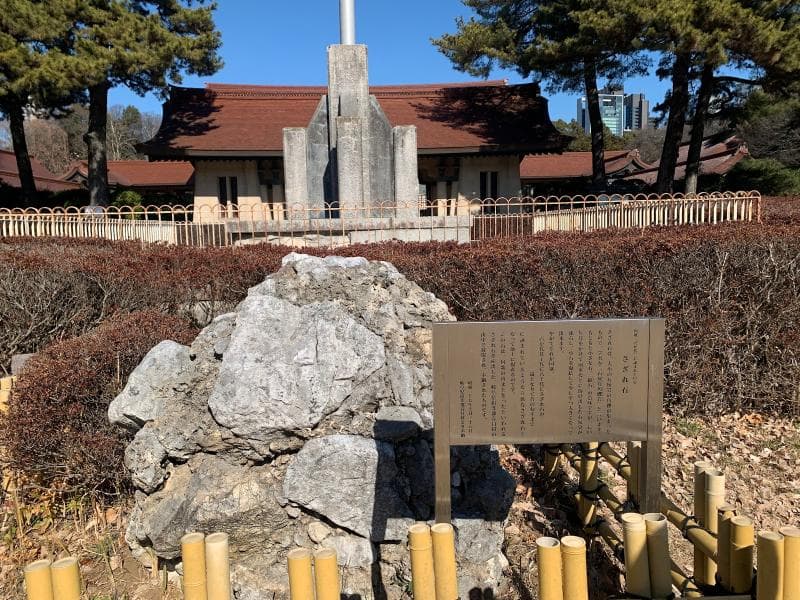
Explore the historical Treasure Museum within Tokyo's Meiji Shrine, delving into imperial artifacts and Japan's modernization. Discover its unique architecture and the legacy of Emperor Meiji and Empress Shoken.
Overview
Deep within the verdant embrace of Tokyo's iconic Meiji Shrine lies a place dedicated to preserving the legacy of Japan's transformative Meiji Era: the Treasure Museum, known in Japanese as the Homotsuden. While the original Treasure Museum building, an Important Cultural Property, is a significant historical and architectural landmark in itself, its precious collection of artifacts is currently housed in the newer Meiji Jingu Museum. This arrangement ensures that visitors can still immerse themselves in the rich history and personal effects of Emperor Meiji and Empress Shoken, the revered deities of Meiji Jingu. The museum offers a profound glimpse into the lives of the imperial couple who spearheaded Japan's rapid modernization, providing context to the era that shaped the nation we know today.
History & Cultural Background
The establishment of the Treasure Museum, or Homotsuden, dates back to 1921, a year after the Meiji Shrine itself was completed. It was conceived to safeguard and exhibit the extensive personal effects, ceremonial garments, and numerous gifts associated with Emperor Meiji (1852–1912) and Empress Shoken (1849–1914). The museum's creation was a direct response to a widespread public desire to honor the imperial couple, who played pivotal roles in the Meiji Restoration, transitioning Japan from a feudal society into a modern global power. This period, beginning in 1868, saw profound political, social, and economic shifts, and the artifacts housed within the museum provide tangible connections to this critical epoch. The original building itself is a testament to architectural innovation, built in the traditional azekura-zukuri style, characterized by a raised-floor log cabin construction, yet notably incorporating early reinforced-concrete techniques.
What Makes It Special
The original Treasure Museum building holds a distinct place in Japanese architectural history. It is recognized as an Important Cultural Property, not only for its purpose but also for being one of Japan's earliest structures entirely made of reinforced concrete. Its design, co-conceived by renowned architect Ito Chuta, skillfully blends traditional Japanese storehouse aesthetics, reminiscent of the ancient Shosoin Imperial Storehouse in Nara, with modern construction methods. While the building itself is temporarily inaccessible to visitors due to ongoing earthquake-proofing efforts, its significance as a pioneering architectural marvel remains. The treasures it once housed – a vast collection of over 2,500 imperial objects including formal attire, furniture, stationery, and artwork – offer unparalleled insights into the personal tastes, daily lives, and official duties of Emperor Meiji and Empress Shoken.
Stories, Fun Facts & Local Details
The collection initially gathered for the Treasure Museum tells captivating stories of Japan's imperial past. Imagine standing before the actual horse carriage used by the imperial couple on the historic day the Meiji Constitution was proclaimed, a powerful symbol of Japan's stride towards a modern constitutional monarchy. Or perhaps observing Emperor Meiji's favorite pencil, a simple yet intimate object hinting at the diligent work behind the nation's transformation. These items, now beautifully displayed in the Meiji Jingu Museum, convey not just historical facts but also the human aspect of the revered figures. The Meiji Jingu Museum, designed by Kengo Kuma, continues this legacy, using modern exhibition techniques like videos and dioramas to bring the Meiji era to life for contemporary audiences. The museum's design, featuring wood and large glass windows, harmonizes with the surrounding forest, creating a serene environment that enhances the visitor's connection to the shrine's natural beauty and history.
Visitor Perspective
While the venerable building of the original Treasure Museum is currently undergoing preservation, visitors seeking to explore the imperial collection will find its contents thoughtfully presented in the Meiji Jingu Museum. This modern facility provides a comfortable and engaging environment to appreciate the artifacts connected to Emperor Meiji and Empress Shoken. Expect well-curated displays that offer clear explanations of the Meiji period's cultural and historical context. The museum's peaceful setting within the expansive Meiji Shrine grounds makes for a reflective experience, allowing one to ponder the profound impact of the imperial couple. It's a journey not just through history, but also into the enduring spirit of Japan, offering a moment of tranquility amidst the bustling energy of Tokyo.
Coordinates: 139.69917, 35.67611
View on Google Maps💬 How Travelers Describe This Place
Based on community votes
Must See
951Beautiful
491Unique
414Photogenic
310Interesting
277
Traveler Stories
Discover memorable experiences shared by travelers who have visited this place.
No traveler stories yet.
Be the first traveler to share what made this place memorable.

Tour
By
Spot
Discover amazing places around the world. Your journey starts here.
Explore
© 2026 TourBySpot. All rights reserved.