Inner Garden
Tokyo, Japan
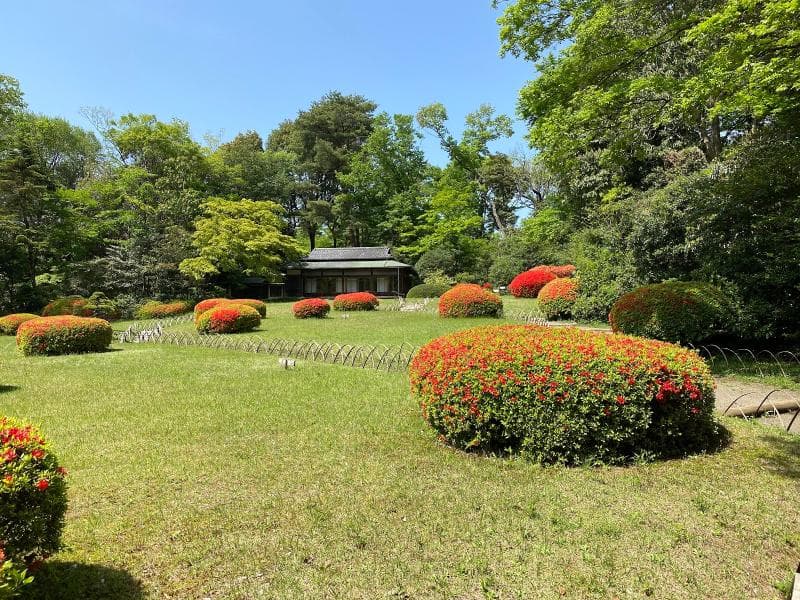
Discover the tranquil Meiji Jingu Inner Garden in Tokyo, Japan. Explore its historic iris garden, Kiyomasa's Well, and serene pond, a hidden oasis of imperial beauty.
Overview
Nestled within the vast, verdant grounds of Tokyo's iconic Meiji Shrine lies the serene Meiji Jingu Inner Garden, a tranquil oasis offering a remarkable escape from the city's relentless pace. Also known as Meiji Jingu Gyoen or Jingu Nai-en, this historical garden spans approximately 83,000 square meters, presenting a harmonious blend of natural beauty and profound cultural heritage. It is a hidden gem that predates the shrine itself, inviting visitors to step into a meticulously preserved landscape where the past gracefully intertwines with the present. The Inner Garden's main attractions include its famous Iris Garden, the tranquil Nan-chi Pond, the revered Kiyomasa's Well, and the elegant Kakuun-tei Teahouse, each contributing to its distinct charm and significance.
History & Cultural Background
The origins of the Meiji Jingu Inner Garden trace back to the early Edo Period (1603-1867), when it served as part of the suburban residence for feudal lords, notably Katō Kiyomasa and later the Ii clan. Its transformation into an imperial garden began during the Meiji Period (1868-1912), when it became part of the Imperial estate. Emperor Meiji personally commissioned and enhanced the garden, turning it into a cherished retreat for his consort, Empress Shoken. This thoughtful gesture underscores the deep affection and respect Emperor Meiji held for the Empress. The garden's establishment and careful development during this pivotal era serve as a living testament to Japan's modernization while upholding a profound respect for tradition, embodying the aesthetic principles of Japanese garden design and the harmonious relationship between nature and human intervention.
What Makes It Special
The Meiji Jingu Inner Garden is renowned for several distinct features that make it a uniquely captivating destination. Its undisputed 'crown jewel' is the spectacular Iris Garden, personally designed by Emperor Meiji for Empress Shoken. This vibrant display boasts around 1,500 iris plants across 150 different species, transforming what was once a samurai training field into a breathtaking floral paradise, particularly during its blooming season in early to mid-June. Complementing the iris garden is the expansive Nan-chi Pond, covering 8,300 square meters. This large pond is fed by pure spring water and is home to various wildlife, including carp, some of which are said to be descendants of those released by Emperor Meiji himself. Another revered spot is Kiyomasa's Well, named after the military commander Katō Kiyomasa, who is believed to have dug it around 400 years ago. This well is celebrated for its continuously flowing, crystal-clear spring water, which maintains a constant temperature year-round and irrigates the iris garden and Nan-chi Pond. Finally, the Kakuun-tei Teahouse, an elegant structure originally built in 1900 as a resting place for Empress Shoken, overlooks Nan-chi Pond, offering a picturesque view and a glimpse into traditional Japanese architecture and tea ceremony culture.
Stories, Fun Facts & Local Details
The Inner Garden is steeped in fascinating stories and local charm. The Iris Garden, for instance, was specifically cultivated by Emperor Meiji to please Empress Shoken, who suffered from eye ailments, making it a profound symbol of imperial affection. Before its transformation, the area where the irises now bloom was once used to teach children about rice cultivation during the Edo period. Kiyomasa's Well has gained a reputation as a 'power spot' in recent years, with a popular belief that taking a photo of the well and using it as a phone's main screen can bring good fortune. While the well's water is clear and beautiful, it is not for drinking, but visitors can still feel its invigorating energy. The garden's meticulous maintenance preserves horticultural practices passed down through generations, showcasing a balance between nature and careful human design. Despite its location in the heart of one of the world's busiest cities, the garden maintains an atmosphere of profound tranquility, feeling remarkably distant from the urban bustle.
Visitor Perspective
Visiting the Meiji Jingu Inner Garden offers a distinctly different experience compared to the rest of the Meiji Shrine grounds. While the main shrine areas are free, there is a separate admission fee of 500 yen for the Inner Garden, which helps with its meticulous maintenance. The garden is typically open from 9:00 AM to 4:30 PM, with last admission 30 minutes before closing, though hours may extend during the peak iris blooming season in mid-June. For a truly peaceful experience, arriving early in the morning or on weekdays is recommended to avoid larger crowds. Many visitors describe feeling a sense of immediate calm and restoration upon entering, as the sounds of the city fade away, replaced by birdsong and the gentle rustling of leaves. It serves as a perfect complement to exploring the shrine, providing a quiet sanctuary for reflection and appreciation of nature and history, a rare and cherished experience in urban Tokyo.
Coordinates: 139.6993, 35.6763
View on Google Maps💬 How Travelers Describe This Place
Based on community votes
Interesting
950Must See
929Unique
858Photogenic
287Beautiful
275
Traveler Stories
Discover memorable experiences shared by travelers who have visited this place.
No traveler stories yet.
Be the first traveler to share what made this place memorable.

Tour
By
Spot
Discover amazing places around the world. Your journey starts here.
Explore
© 2026 TourBySpot. All rights reserved.