Manila Cathedral
Manila, Philippines
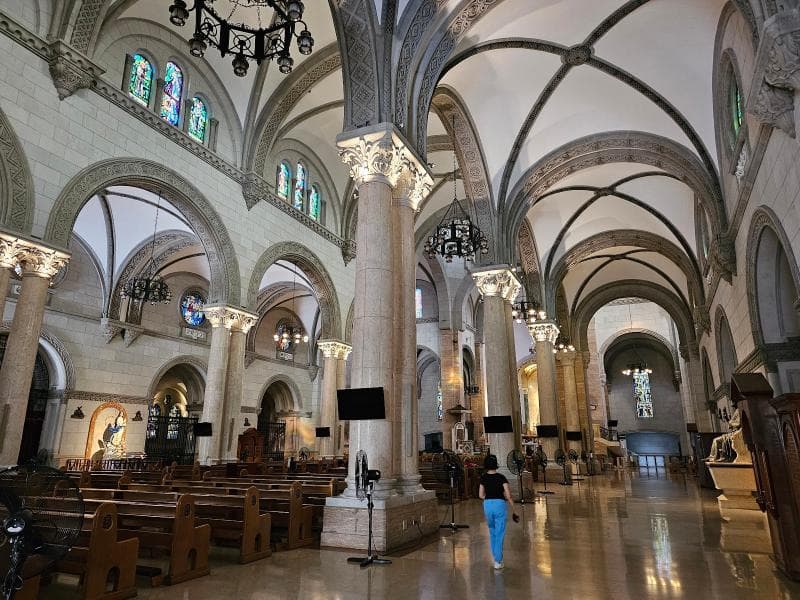
Explore Manila Cathedral, the historic Neo-Romanesque basilica in Intramuros, Manila, Philippines. Discover its resilient history, stunning architecture, and spiritual significance as the seat of the Archdiocese of Manila.
Overview
The Minor Basilica and Metropolitan Cathedral of the Immaculate Conception, widely known as the Manila Cathedral, stands majestically within the historic walled city of Intramuros in Manila, Philippines. It is recognized as the Premier Church of the Philippines, serving as the ecclesiastical seat of the Archdiocese of Manila and dedicated to the Blessed Virgin Mary under the title of the Immaculate Conception, the principal patroness of the Philippines. This iconic structure is not merely a church but a profound symbol of Filipino faith and resilience, having been rebuilt multiple times throughout its long history.
History & Cultural Background
The origins of the Manila Cathedral trace back to 1571, when a simple church made of nipa, wood, and bamboo was first established on the site by Fray Juan de Vivero. In 1579, it was elevated to a cathedral, marking a pivotal moment in the Philippines' religious landscape. Since its inception, the cathedral has faced destruction and reconstruction no less than eight times, enduring fires, earthquakes, and the ravages of war, particularly during the Battle of Manila in 1945. Each rebuilding effort reflects the enduring spirit of the Filipino people and their unwavering Catholic faith. The current structure, the eighth iteration, was completed in 1958, rising from the ashes of World War II. Its significance was further cemented on April 27, 1981, when Pope John Paul II, through his motu proprio, raised it to the dignity of a minor basilica, making it the first church in the Philippines to receive this distinction by papal initiative.
What Makes It Special
The Manila Cathedral is a masterpiece of architecture, primarily showcasing a Neo-Romanesque style with Byzantine motifs. Its grand northwest façade features statues of renowned saints sculpted in Roman travertine stone, a replica of those from the previous cathedral. Inside, the cathedral boasts a Latin cross plan, with its expansive nave flanked by arcaded colonnades and several chapels. Marble is a prominent material throughout the interior; chapels are paved with highly polished Carrara marble, and the main altar features green Carrara marble columns supporting a two-meter-high statue of the Immaculate Conception. The Episcopal throne is crafted from Italian marble and Mexican onyx. A striking feature is the collection of 134 stained-glass windows, depicting biblical scenes and Philippine religious history, which fill the space with a vibrant, ethereal glow. The cathedral also houses one of the largest pipe organs in Southeast Asia.
Stories, Fun Facts & Local Details
Beyond its architectural grandeur, the Manila Cathedral is rich with stories. It has been a witness to numerous pivotal moments in Philippine history, hosting significant religious ceremonies and national events. The cathedral has welcomed three popes on apostolic visits: Pope Paul VI in 1970, Pope John Paul II in 1981 and 1995, and Pope Francis in 2015, underscoring its profound spiritual importance. The crypt, located beneath the main altar, serves as the final resting place for many former archbishops of Manila, including the revered Cardinal Jaime Sin. An interesting detail is that the caps of previous archbishops sometimes hang above the intersection of the nave and transept, a poignant reminder of their legacy. Each petal on the cathedral's rose window is said to symbolize the Twelve Apostles, adding a layer of spiritual symbolism to its design. The central doors also feature artistic reliefs that narrate important episodes from the cathedral's history.
Visitor Perspective
Visiting the Manila Cathedral offers a profound experience, transporting one from the bustling streets of Manila into an atmosphere of tranquility and solemnity. Upon stepping inside, the sheer scale of the Neo-Romanesque interior, with its high vaults, detailed ornamentation, and the soft, colorful light filtering through the stained-glass windows, creates a sense of reverence. Many visitors find peace within its walls, appreciating the intricate carvings, the grand pipe organ, and the quiet dignity of the space. Admission to the cathedral is free, making it accessible to all who wish to explore its historical and architectural wonders or attend a Mass to immerse themselves in the local culture and spirituality. It is advisable to wear modest clothing that covers shoulders and knees, out of respect for this active place of worship. Taking a moment to appreciate the facade and the surrounding Plaza de Roma completes the experience, providing a serene counterpoint to the vibrant city life outside.
Coordinates: 120.97356, 14.59147
View on Google Maps💬 How Travelers Describe This Place
Based on community votes
Beautiful
981Unique
617Interesting
357Photogenic
147Must See
28
Traveler Stories
Discover memorable experiences shared by travelers who have visited this place.
No traveler stories yet.
Be the first traveler to share what made this place memorable.
Things to see at Manila Cathedral



Tour
By
Spot
Discover amazing places around the world. Your journey starts here.
Explore
© 2026 TourBySpot. All rights reserved.