Cathedral Plaza
Manila, Philippines
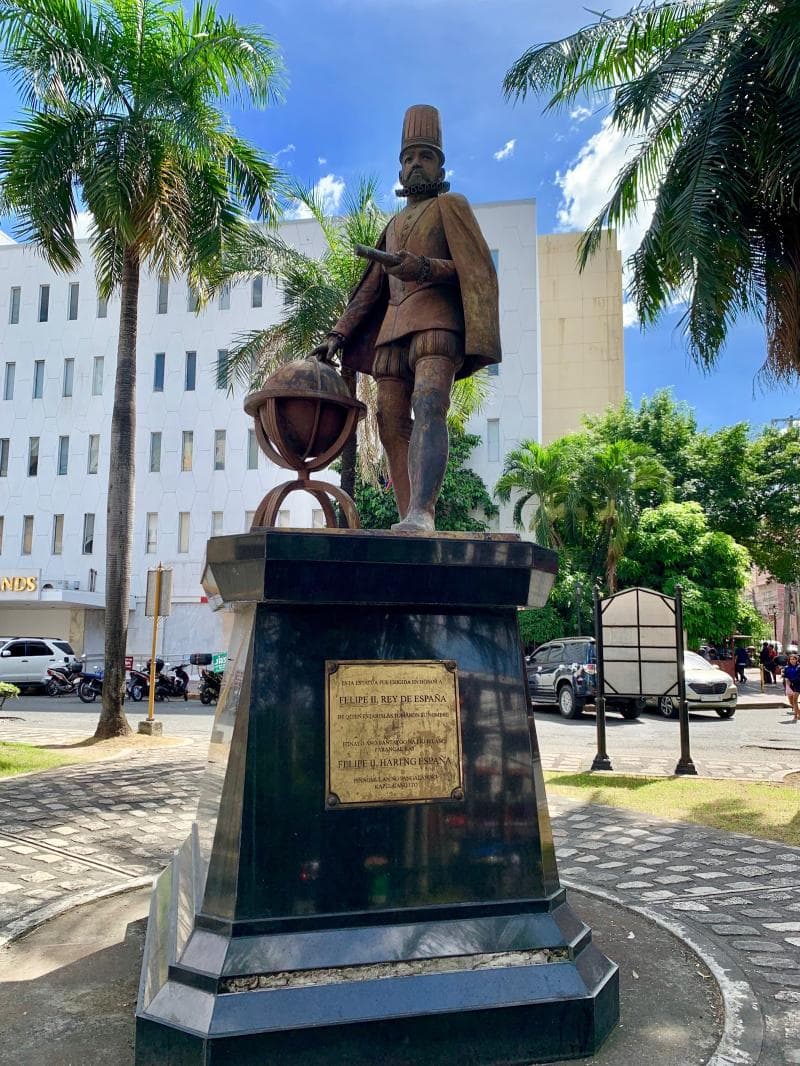
Explore Cathedral Plaza, formally Plaza de Roma, the historic heart of Intramuros fronting Manila Cathedral in Manila, Philippines. Discover its rich history and cultural significance.
Overview
Plaza de Roma, often colloquially referred to as the Cathedral Plaza due to its direct adjacency, is a historic public square nestled in the heart of Intramuros, Manila's walled city. It stands majestically in front of the Minor Basilica and Metropolitan Cathedral of the Immaculate Conception, more commonly known as the Manila Cathedral. This plaza has served as a pivotal civic and cultural space since the Spanish colonial era, embodying centuries of Filipino history and spiritual devotion.
History & Cultural Background
Established in 1583, the plaza was originally known as Plaza Mayor, or 'Grand Plaza', marking it as the central public square of Spanish colonial Manila. During this period, it was the vibrant stage for significant public events, including bullfights, public gatherings, and various civic ceremonies. Its historical prominence is intertwined with the Manila Cathedral, which has been rebuilt multiple times throughout history due to natural disasters and conflicts, with its current iteration completed in 1958. The plaza itself has undergone several transformations, reflecting the shifts in governance and culture. It was renamed Plaza McKinley during the American colonial period and eventually became Plaza de Roma in 1961, a gesture that reciprocated the city of Rome's renaming of one of its squares to Piazzale Manila, honoring the elevation of Rufino Santos as the first Filipino cardinal. This plaza thus holds a rich tapestry of names, each denoting a distinct chapter in the Philippines' storied past.
What Makes It Special
Plaza de Roma's unique appeal lies in its role as the veritable heart of Intramuros. It is strategically surrounded by other architectural and historical marvels, including the iconic Manila Cathedral to its south, the historic Palacio del Gobernador to its west, and the former Ayuntamiento de Manila (Casas Consistoriales) to its east. At its center stands a monument dedicated to King Charles IV of Spain, erected in 1824. This monument serves as a tangible link to the colonial past, specifically commemorating King Charles IV's vital contribution of sending the first batch of smallpox vaccine to the Philippines. The plaza's design, with its blend of European and Filipino influences, presents a harmonious yet powerful architectural statement that speaks volumes about Manila's enduring heritage.
Stories, Fun Facts & Local Details
One interesting aspect of Plaza de Roma is the King Charles IV monument itself. While it was initially erected in 1824, it was replaced in the 1960s with a monument dedicated to the Gomburza (three Filipino priests executed during the Spanish colonial era). However, in 1978, President Ferdinand Marcos ordered the restoration of the plaza, and the original King Charles IV monument was re-installed in 1981, highlighting a conscious effort to restore elements of Intramuros' Spanish colonial appearance. The plaza was designed to be a grand open space, historically suitable for large assemblies and celebrations, a tradition that continues with cultural events and religious processions often taking place here today. It serves not just as a static historical site but as a dynamic public space where locals and tourists alike can connect with the city's vibrant past. The very ground beneath your feet has witnessed centuries of pivotal moments, from solemn religious rites to fervent political gatherings.
Visitor Perspective
For a curious traveler, stepping into Plaza de Roma is like walking through an open-air museum, offering an immediate immersion into Manila's historical grandeur. The imposing facade of the Manila Cathedral dominates the view, its intricate details inviting closer inspection. The open expanse of the plaza provides ample space for reflection, photo opportunities, and simply soaking in the atmosphere of Intramuros. It serves as an excellent starting point for exploring the walled city, with many key attractions within easy walking distance. Visitors can appreciate the sense of continuity and resilience that the plaza and the Cathedral represent, having survived numerous destructions and reconstructions. It's a place where the echoes of history are palpable, offering a profound understanding of the Philippines' colonial legacy and its spiritual heart. The meticulous restoration efforts allow today's visitors to visualize the grandeur of Old Manila and appreciate the enduring spirit of its people.
Coordinates: 120.97356, 14.59147
View on Google Maps💬 How Travelers Describe This Place
Based on community votes
Beautiful
958Must See
794Interesting
565Unique
157Photogenic
28
Traveler Stories
Discover memorable experiences shared by travelers who have visited this place.
No traveler stories yet.
Be the first traveler to share what made this place memorable.

Tour
By
Spot
Discover amazing places around the world. Your journey starts here.
Explore
© 2026 TourBySpot. All rights reserved.