Main Nave
Manila, Philippines
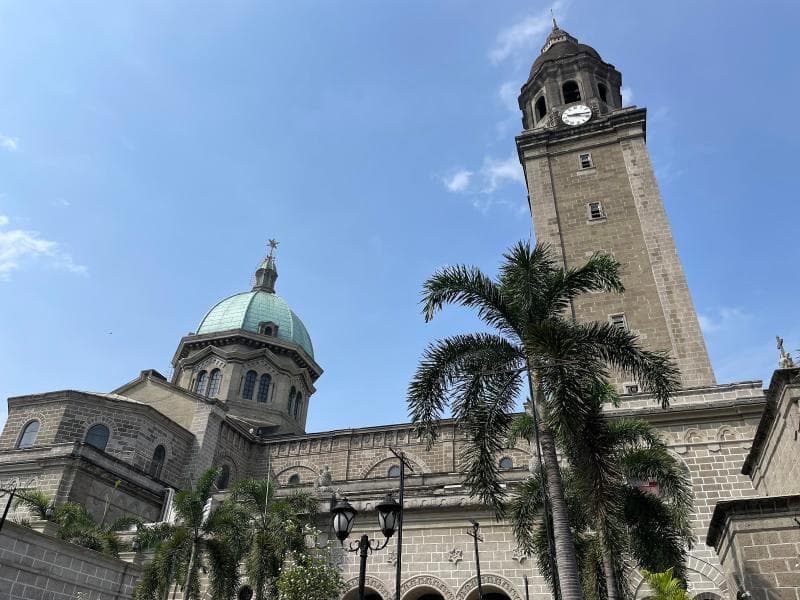
Explore the Main Nave of Manila Cathedral, a symbol of resilience and faith in Manila, Philippines. Discover its rich history, Neo-Romanesque architecture, and spiritual significance.
Overview
Stepping into the Main Nave of the Manila Cathedral, officially known as the Minor Basilica and Metropolitan Cathedral of the Immaculate Conception, is to walk through centuries of faith and resilience in the heart of Manila, Philippines. Situated within the historic walled city of Intramuros, this sacred space serves as the Mother Church of the Philippines and the seat of the Archdiocese of Manila. It is a powerful symbol of the Filipino people's enduring Catholic faith and their ability to rebuild and rise above adversity. The Main Nave, with its impressive scale and intricate details, invites visitors to reflect on the deep spiritual and historical narrative embedded within its walls, offering a peaceful sanctuary amidst the bustling city.
History & Cultural Background
The history of the Manila Cathedral is a testament to perseverance, as the current structure is the eighth iteration to stand on this hallowed ground. The original church, built in 1571 from humble materials like nipa and bamboo, was consecrated as a cathedral in 1581. Over the centuries, successive structures faced destruction from fires, typhoons, and devastating earthquakes, only to be continually rebuilt stronger and more magnificent than before. The seventh cathedral, consecrated in 1879, famously lost its bell tower to an earthquake in 1880, remaining towerless until 1958. Its ultimate destruction came during the Battle of Manila in 1945, leaving ruins that symbolized the city's suffering. The current, eighth cathedral was constructed between 1954 and 1958, rising from the ashes of war. It proudly carries a blend of Neo-Romanesque architecture, serving not just as a religious center but also as a cultural landmark that has witnessed significant national events and hosted papal visits, solidifying its profound impact on Filipino identity and heritage.
What Makes It Special
The Main Nave of the Manila Cathedral stands out for its grand Neo-Romanesque architectural design and its rich materials. The cathedral is built in a Latin cross plan, with the central nave flanked by two collateral naves, separated by stately colonnades. The high vaulted ceilings draw the eye upwards, creating a sense of awe and reverence. A significant feature is the pervasive use of marble throughout the interior. Highly polished Carrara marble, imported and prefabricated from Italy, paves the chapels and can be seen in various altars, the pulpit, and the Archbishop's Episcopal Throne. The main altar, a focal point from the nave, is particularly striking, featuring elegant columns crafted from green Carrara marble and a two-meter-high statue of the Immaculate Conception. Adding to its splendor are the vibrant stained-glass windows, many of which were designed by contemporary artist Galo Ocampo. These windows beautifully depict important scenes from the history of Christianity and the lives of saints, casting a serene, colorful glow across the nave.
Stories, Fun Facts & Local Details
The Manila Cathedral holds many compelling stories. It's often referred to as the 'Mother of all Churches' in the Philippines, a testament to its foundational role in the spread of Catholicism in the archipelago. A poignant detail is the crypt located beneath the main altar, which serves as the final resting place for several past Archbishops of Manila, adding another layer of historical depth to the space. One of the largest pipe organs in the Far East is housed in the choir loft, above the main entrance, its music filling the nave during important liturgical celebrations. The intricate bronze main doors also tell a story, with panels artistically reflecting significant episodes in the cathedral's long history. Its dedication to the Immaculate Conception, the principal patroness of the Philippines, highlights the country's deep Marian devotion. The cross atop its central dome once served as a significant reference point for astronomical longitudes across the Philippine archipelago.
Visitor Perspective
For visitors, the Main Nave offers an immediate sense of peace and grandeur. After navigating the vibrant streets of Intramuros, stepping inside provides a stark, yet welcome, contrast – a cool, quiet, and solemn atmosphere that encourages contemplation. The sheer scale of the nave, combined with the soft light filtering through the stained-glass windows, creates a truly immersive spiritual experience. The cathedral remains an active place of worship, hosting daily Masses and other services, and visitors are encouraged to observe proper decorum and dress modestly out of respect. Exploring the nave allows one to appreciate the meticulous artistry and craftsmanship, from the marble details to the impressive ceiling. It's an essential stop for anyone wishing to understand the historical, cultural, and spiritual heart of Manila, and its proximity to other Intramuros attractions makes it easy to include in a comprehensive heritage tour.
Coordinates: 120.97356, 14.59147
View on Google Maps💬 How Travelers Describe This Place
Based on community votes
Unique
921Photogenic
831Must See
357Interesting
232Beautiful
147
Traveler Stories
Discover memorable experiences shared by travelers who have visited this place.
No traveler stories yet.
Be the first traveler to share what made this place memorable.

Tour
By
Spot
Discover amazing places around the world. Your journey starts here.
Explore
© 2026 TourBySpot. All rights reserved.