Crypt
Manila, Philippines
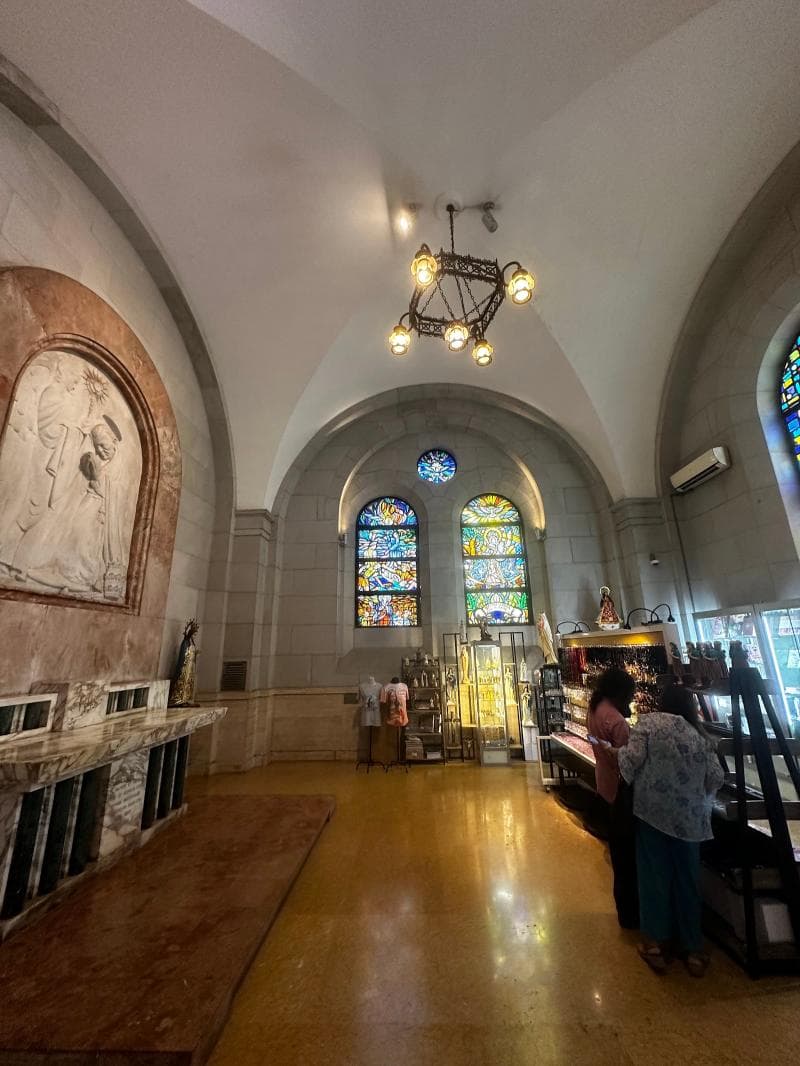
Explore the solemn Crypt beneath Manila Cathedral in Manila, Philippines, the resting place of influential archbishops and a site of profound history.
Overview
Deep beneath the grandeur of the Manila Cathedral, nestled in the historic walled city of Intramuros, lies a solemn and sacred space often hidden from public view: the Crypt. Far from being merely a burial chamber, this subterranean sanctuary serves as the final resting place for several Archbishops of Manila, preserving a profound lineage of spiritual leadership in the Philippines. Its name, derived from the Greek 'kryptos' meaning 'hidden,' perfectly encapsulates its discreet nature and profound significance. Dedicated to Our Lady of Sorrows, the Crypt offers visitors a unique glimpse into the spiritual bedrock of the nation's Catholic faith, providing a quiet space for reflection on history and devotion.
History & Cultural Background
The Manila Cathedral itself boasts a storied history, having been rebuilt and restored numerous times since its establishment in 1571, a testament to the resilience of Filipino faith amidst centuries of natural disasters and conflict. This enduring spirit is echoed within the Crypt. It became a dedicated burial ground for the Archbishops of Manila, a tradition that began in the later American colonial period. Among those interred here are pivotal figures in Philippine Catholic history. Michael J. O'Doherty, the last foreign and only Irish Archbishop of Manila, witnessed the cathedral's destruction during World War II. Gabriel M. Reyes holds the distinction of being the first Filipino Archbishop of Manila, marking a significant milestone for the local Church. Cardinal Rufino J. Santos, the first Filipino cardinal, was instrumental in overseeing the rebuilding of the present-day Manila Cathedral after its devastation in 1945. Lastly, Cardinal Jaime L. Sin, a towering figure remembered for his crucial role in the peaceful 1986 EDSA People Power Revolution, also rests within these hallowed walls.
What Makes It Special
What truly distinguishes the Crypt of Manila Cathedral is its profound blend of historical significance and artistic devotion. It is a place where the physical remains of revered spiritual leaders meet poignant artistic expression. The Crypt is dedicated to Our Lady of Sorrows, a dedication beautifully underscored by a magnificent mosaic crafted by the Italian artist Marcello Avenali. This three-subject mosaic vividly portrays scenes from the Lord's agony: the meeting of Mary and Jesus on the way to Golgotha, and the Crucifixion. The artwork not only adds a layer of serene beauty but also deeply connects the resting place of these archbishops to the overarching narrative of Christian sacrifice and maternal sorrow. Latin inscriptions within the Crypt further elaborate on Mary's suffering and Jesus' sacrifice, enriching the spiritual experience for those who enter this sacred space.
Stories, Fun Facts & Local Details
While largely a solemn space, the Crypt holds intriguing facets. The very word 'crypt' speaks to its hidden nature, offering a sense of discovery to those fortunate enough to visit. For many years, the Crypt remained largely inaccessible to the general public, adding to its mystique. However, a significant local detail is its annual opening to the public during the Manila Cathedral's Open House event on Philippine Independence Day, June 12. This special day allows visitors rare access to this subterranean chamber, along with other normally restricted areas like the Choir Loft and Roof Deck. Additionally, during special observances like All Saints' Day and All Souls' Day, the faithful are sometimes invited to visit and offer prayers at the tombs of the former archbishops, connecting the living with the spiritual heritage preserved below. It's a poignant reminder that even in death, these leaders continue to inspire and serve as spiritual anchors for the community.
Visitor Perspective
A visit to the Crypt of Manila Cathedral is a deeply moving experience, offering a rare opportunity for quiet contemplation away from the bustling streets of Intramuros. Stepping down into this hidden chamber, one is immediately enveloped in an atmosphere of peaceful solemnity and quiet grace. The restricted access most of the year only adds to the sense of privilege and reverence when the chance arises to enter. When open, usually during the annual Independence Day Open House or specific religious holidays, visitors can witness the final resting places of these influential church leaders and appreciate the intricate mosaic dedicated to Our Lady of Sorrows. It's a moment to connect with centuries of spiritual history and leadership, feeling the tangible weight of their legacies. This sacred space is not merely a historical footnote but a living testament to faith, leadership, and the enduring spirit of the Filipino people.
Coordinates: 120.97359, 14.591506
View on Google Maps💬 How Travelers Describe This Place
Based on community votes
Unique
326Must See
279Beautiful
276Interesting
270Photogenic
146
Traveler Stories
Discover memorable experiences shared by travelers who have visited this place.
No traveler stories yet.
Be the first traveler to share what made this place memorable.

Tour
By
Spot
Discover amazing places around the world. Your journey starts here.
Explore
© 2026 TourBySpot. All rights reserved.